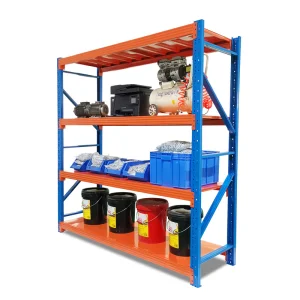
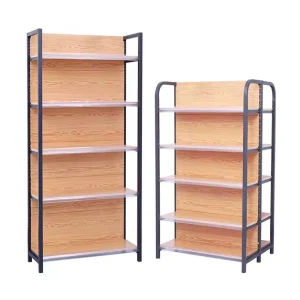
Explore our leading selection of heavy-duty, light-duty, and adjustable metal racks designed to maximize storage layout efficiency.
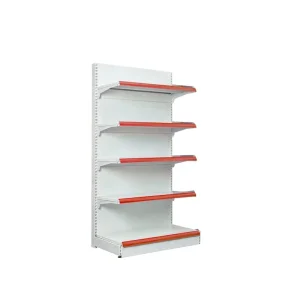
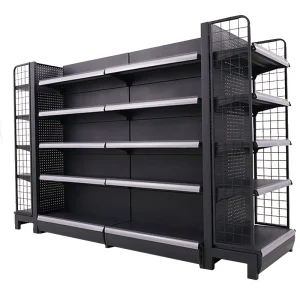
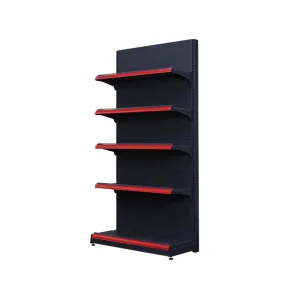
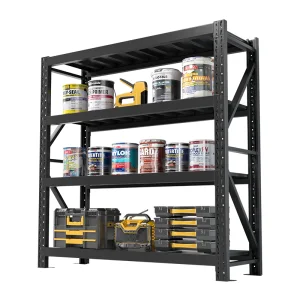
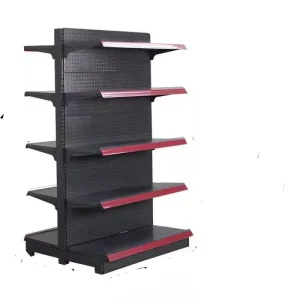
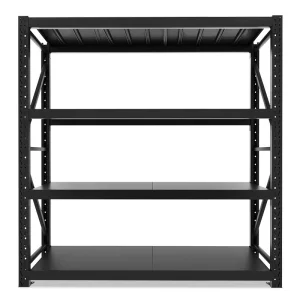
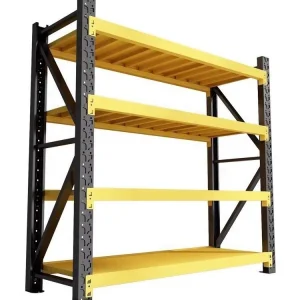
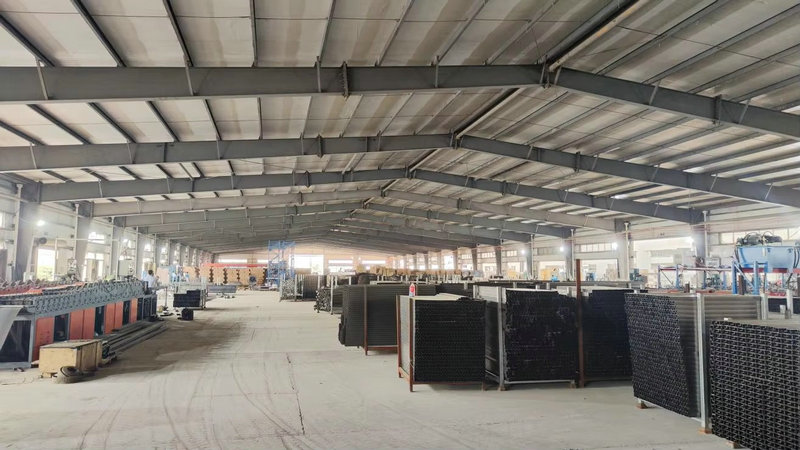
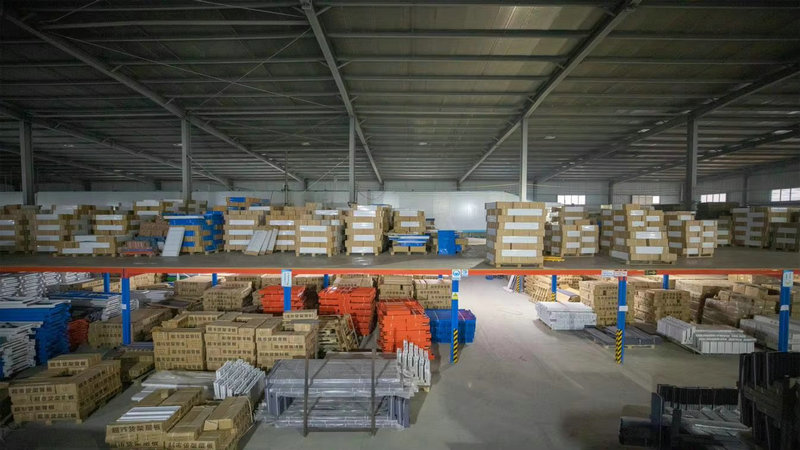
Established in 2016, we are a professional warehouse storage rack manufacturer specializing in the design, production, and supply of high-quality storage solutions for global customers. Operating a modern manufacturing facility covering 18,500㎡, we have developed strong capabilities in producing industrial racking systems, warehouse shelving, pallet racks, and customized storage equipment.
With an annual export revenue of approximately USD 18 million and 8 years of export experience, Guichang Metal Racks has built extensive expertise in serving international markets. The company has accumulated 12 years of industry experience, continuously improving production technology, quality management, and customer service systems.
Our strict quality control procedures include ISO 9001 quality management standards, raw material inspection, welding inspection, surface treatment inspection, load-bearing tests, and finished product evaluation. The quality control team consists of 45 professional inspectors monitoring every stage from material selection to final delivery.
An authoritative analysis of layout designs, localized compliance, supply chain engineering, and industrial rack manufacturing.
Modern warehousing is no longer just about storage volume. In the era of high-velocity global supply chains, e-commerce escalation, and omnichannel fulfillment, a warehouse's layout determines its operational throughput, speed, and profitability. Designing the ideal layout requires analyzing structural limitations, inventory characteristics (SKU velocity, volume, weight), mechanical handling equipment (MHE) clearance, and picking paths.
By engineering systems that target precise search intent—such as high-density storage or high-speed picking—operators transition from basic warehousing to dynamic distribution centers. The layout configuration acts as the operating system of the facility, dictating labor efficiency, safety factors, and equipment longevity.
Selecting the correct layout is a balance between storage density and product accessibility. Here is an in-depth, engineering-focused breakdown of the top 10 layouts used globally in heavy industrial and commercial logistics.
The U-shaped layout is the most common configuration, suitable for facilities of all sizes. Inflow and outflow processes are positioned adjacent to each other on the same side of the building, sharing dock access. This maximizes dock space, streamlines labor sharing between receiving and shipping, and simplifies security protocols by centralizing building access.
Designed for high-throughput operations, the I-shaped layout features receiving on one end and shipping on the opposite end. This layout completely eliminates cross-contamination between inbound and outbound goods, making it perfect for industries with strict regulatory compliance, like pharmaceuticals and food distribution.
The L-shaped configuration sets the receiving zone on one side of the building and the shipping zone on an adjacent side. This shape isolates the picking and staging processes within the bend of the L, optimizing space in rectangular properties or older industrial buildings with architectural limitations.
Ideal for rapid fulfillment centers and logistics hubs, this layout minimizes long-term storage. Inbound products are received, sorted, and moved directly to shipping bays with minimal staging time. This layout requires highly synchronized management systems and flexible, heavy-duty staging racks.
For operations facing high urban real estate costs, vertical expansion via multi-tier racking systems is the preferred option. By doubling or tripling usable surface area through steel mezzanines and walkways, this layout optimizes manual picking paths for small-item, high-SKU inventory.
VNA layouts compress rack aisles down to 1.5 to 1.8 meters, utilizing specialized wire-guided or rail-guided VNA forklifts. This system increases storage density by up to 50% compared to standard selective racking without sacrificing individual pallet accessibility.
Using gravity flow tracks, pallets are loaded from the charging aisle and slide down to the picking face. This mechanical, self-rotational layout is essential for date-sensitive inventory, perishables, and fast-moving consumer goods, ensuring stock rotation.
Push-back racking allows pallets to be stored 2 to 6 deep on nested carts. When a new pallet is loaded, it pushes the existing pallets back. This layout optimizes storage density in bulk-storage environments where immediate selectivity of every single pallet is not required.
Drive-in systems feature continuous rack bays where forklifts drive directly into the racking structure to store or retrieve pallets. By eliminating standard forklift aisles, this design delivers ultra-high-density storage for uniform inventory and cold storage operations.
Built for the smart warehouses of the future, AS/RS layouts integrate robotic cranes, shuttles, and conveyor systems directly into high-tolerance racking networks. Racking tolerances must be engineered to millimeter precision to support computer-controlled retrieval systems.
Strategic Engineering Insight: When selecting a layout, the golden ratio of warehouse planning states that approximately 30% of your total footprint should be allocated to staging, shipping, and receiving, with 70% optimized for vertical storage systems.
Global procurement directors require highly structured documentation when selecting storage equipment partners. Standard considerations extend beyond price per bay; they prioritize structural integrity, load deflection compliance, corrosion protection, and manufacturing tolerances.
Expanding across diverse international jurisdictions means aligning with regional standards. Racking systems are major structures subject to building codes and occupational safety regulations. Working with an experienced exporter ensures that all products are engineered to conform with local regulatory requirements.
Strict compliance with the Rack Manufacturers Institute (RMI) MH16.1 specifications and local fire/seismic building codes.
Structural validation using European structural racking design codes, including Eurocode 3 compliance and FEM 10.2.02 tolerances.
Alignment with Australian steel storage standards (AS 4084-2012) and OSHA workplace safety and design standards.
Our localized support structure guarantees professional structural verification drawings, certified load-capacity charts for every rack bay, and detailed safety labeling, ensuring trouble-free inspections and audits by local authorities.
Guangdong Guichang Metal Racks leverages the manufacturing infrastructure of southern China's metalworking cluster. This concentration of raw material access, steel extrusion technology, and automation allows us to provide cost-effective solutions while maintaining high structural quality.
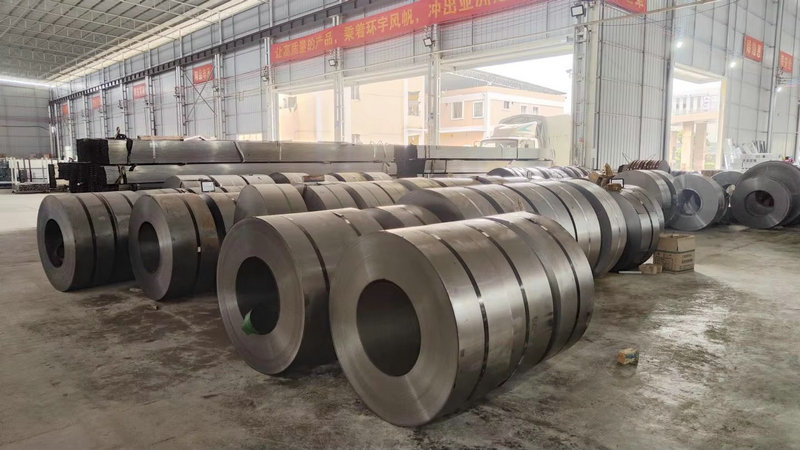
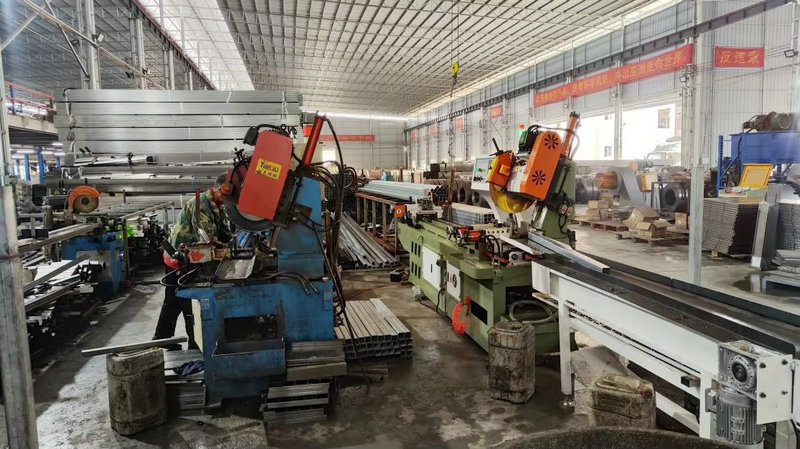
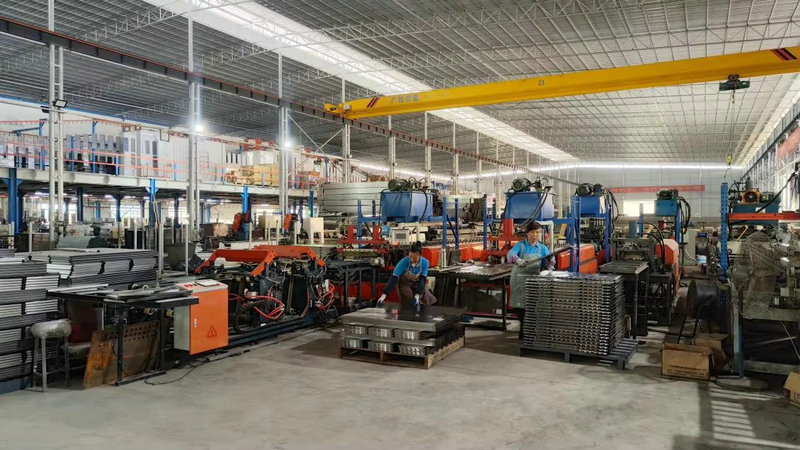
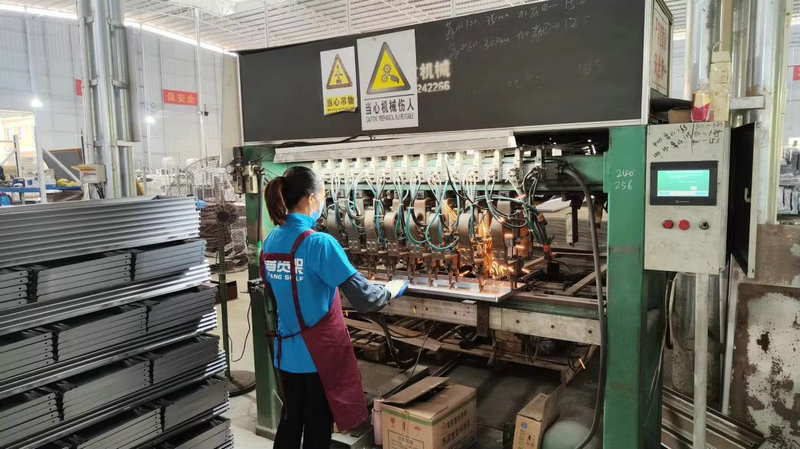
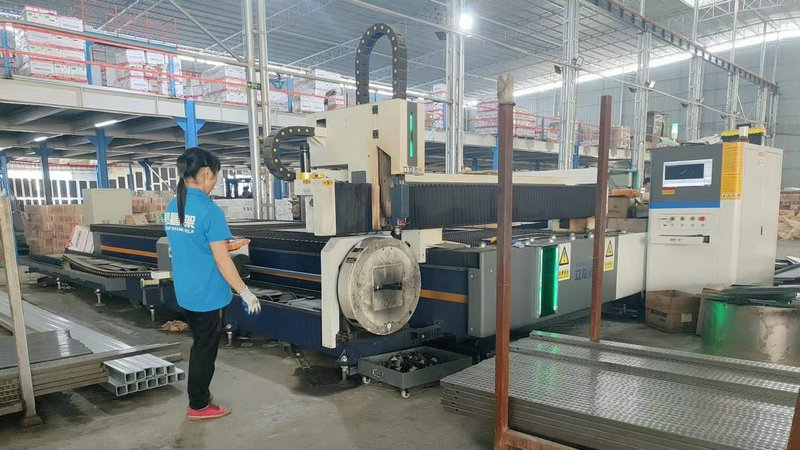
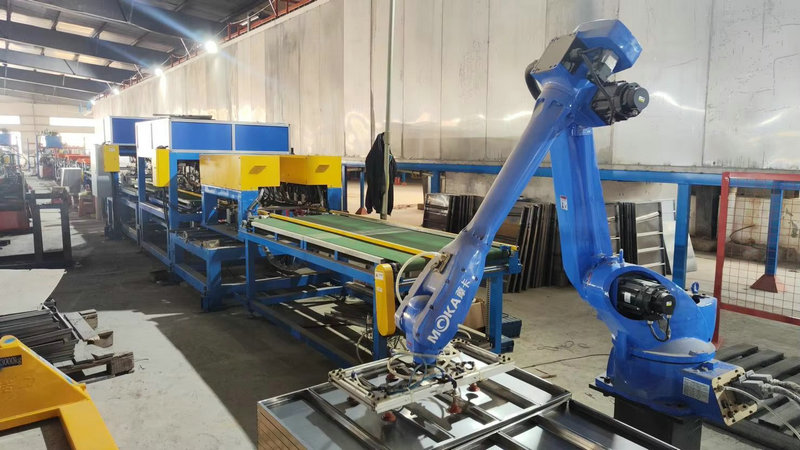
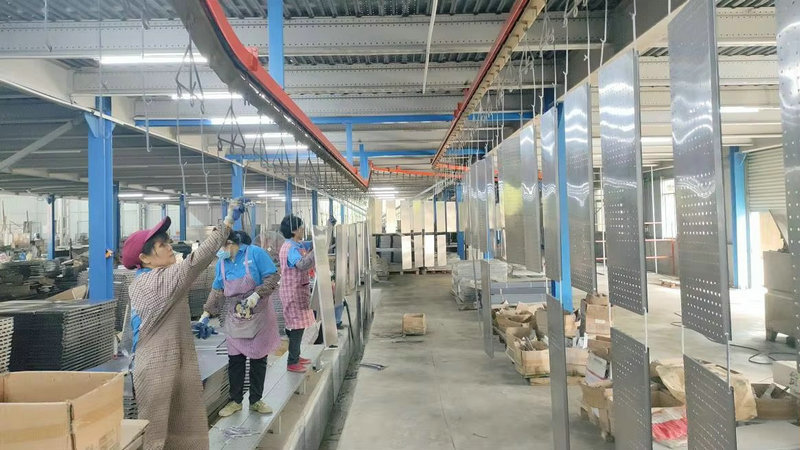
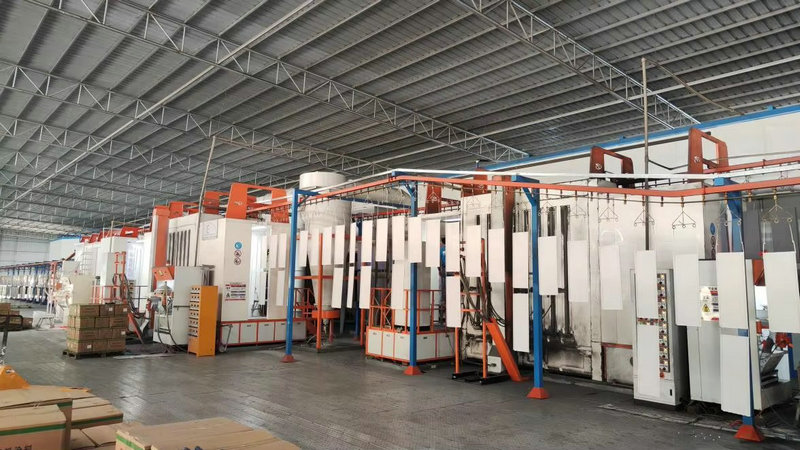
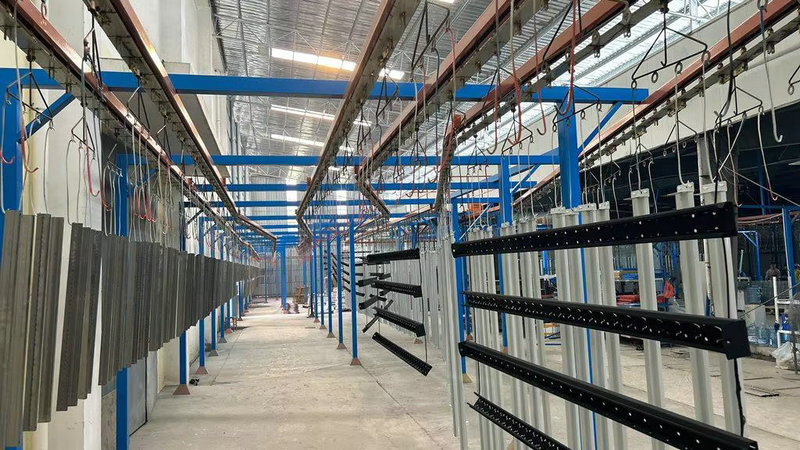
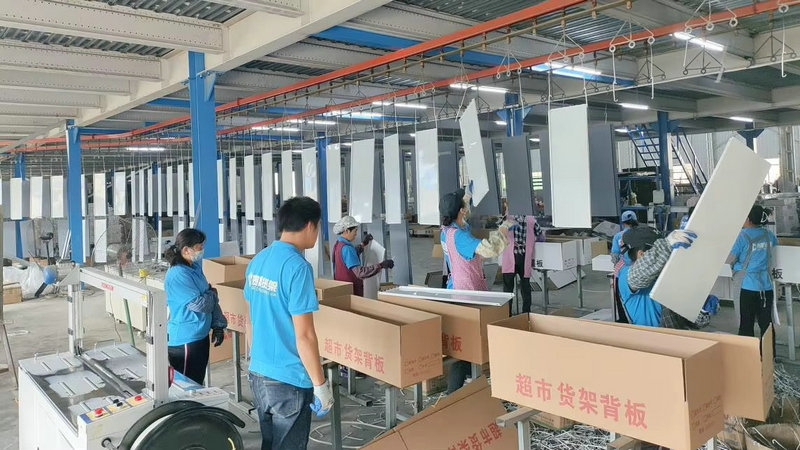
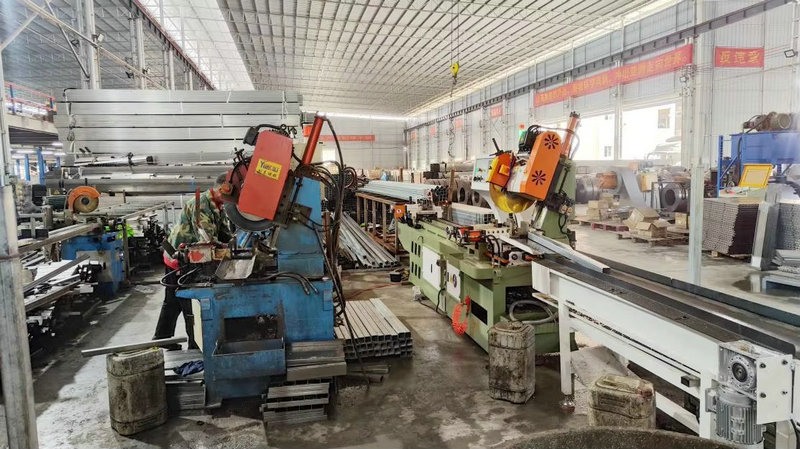
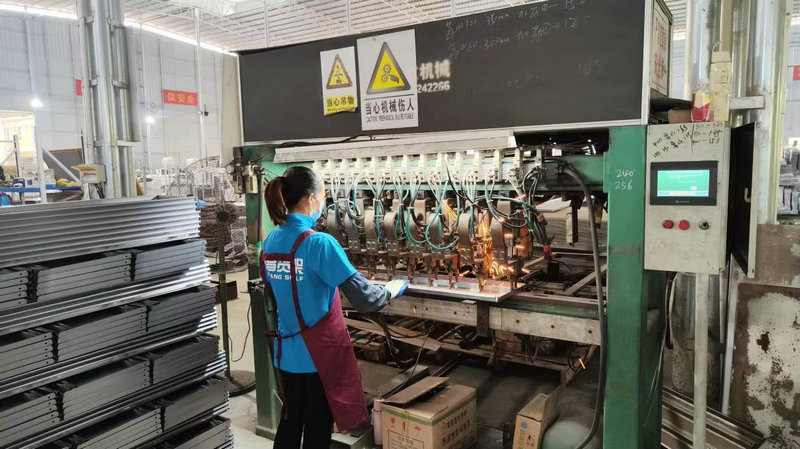
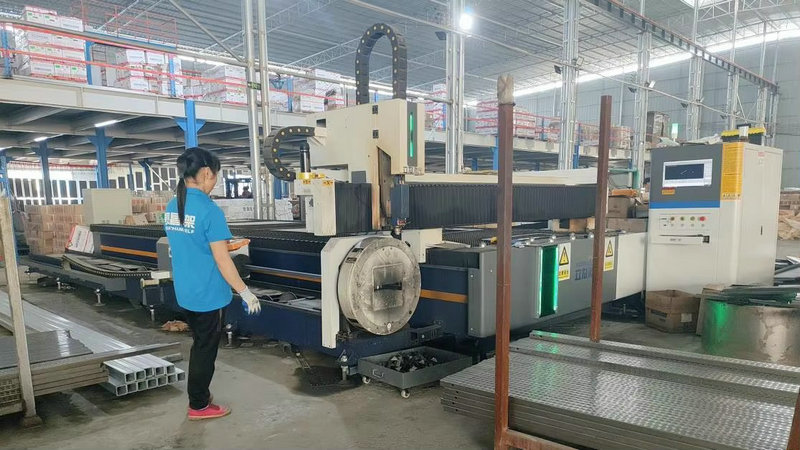
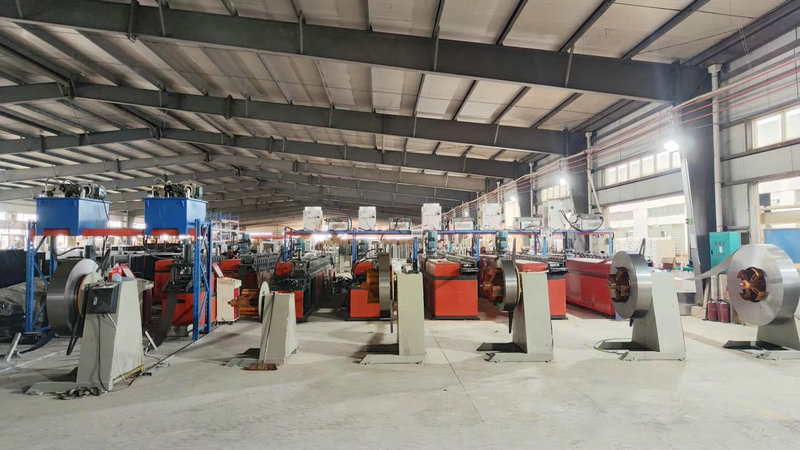
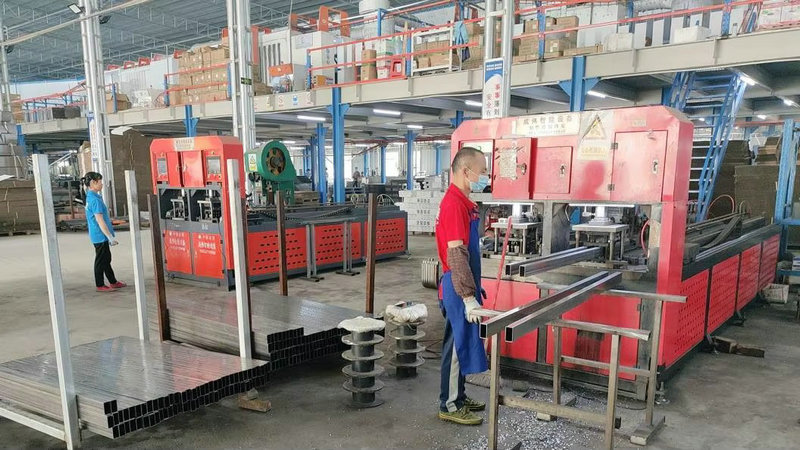
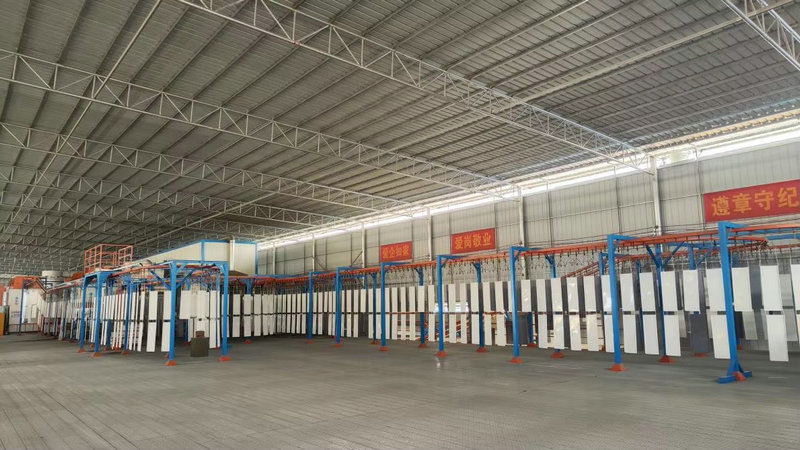
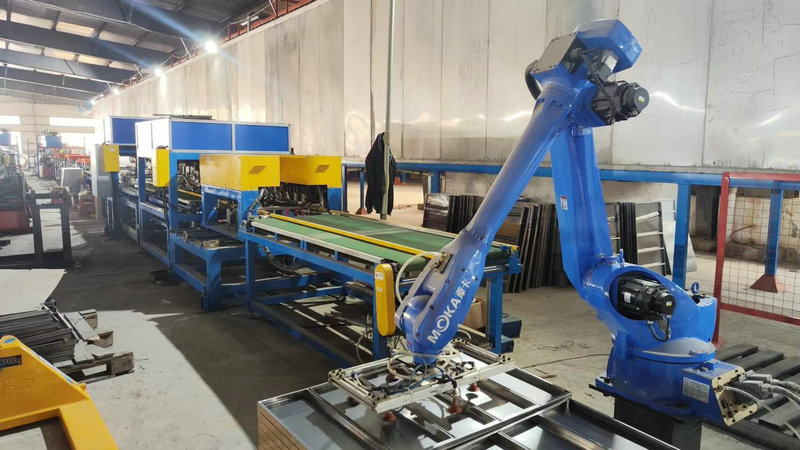
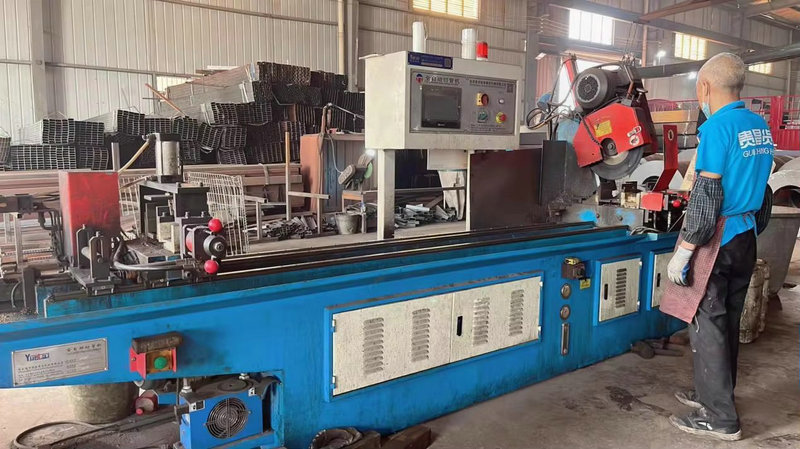
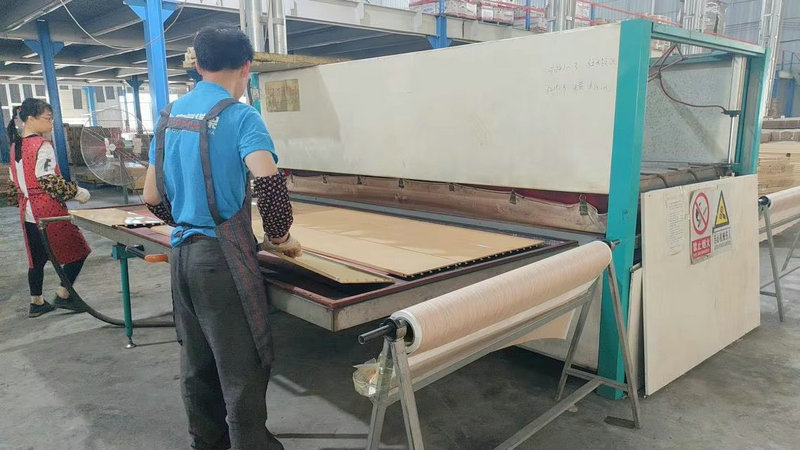
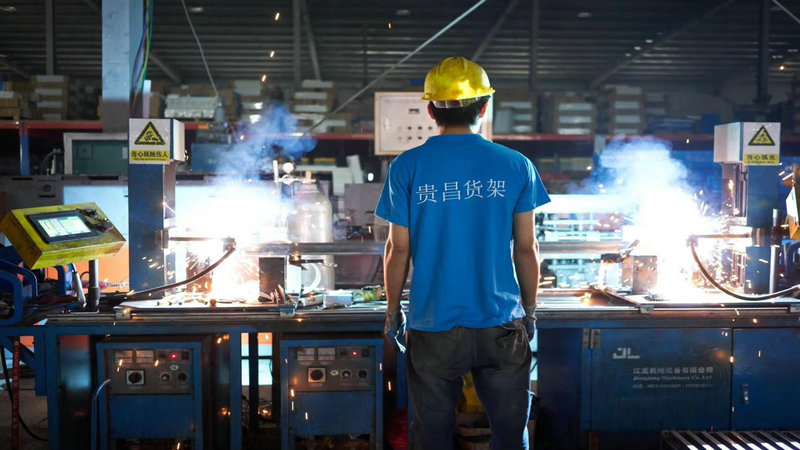
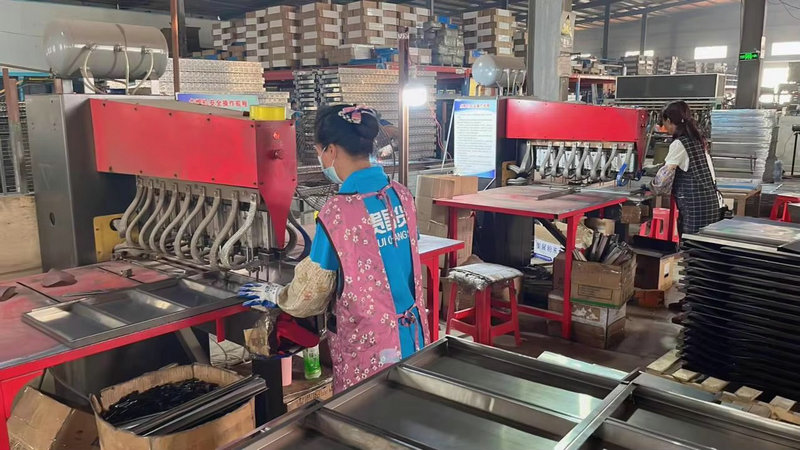
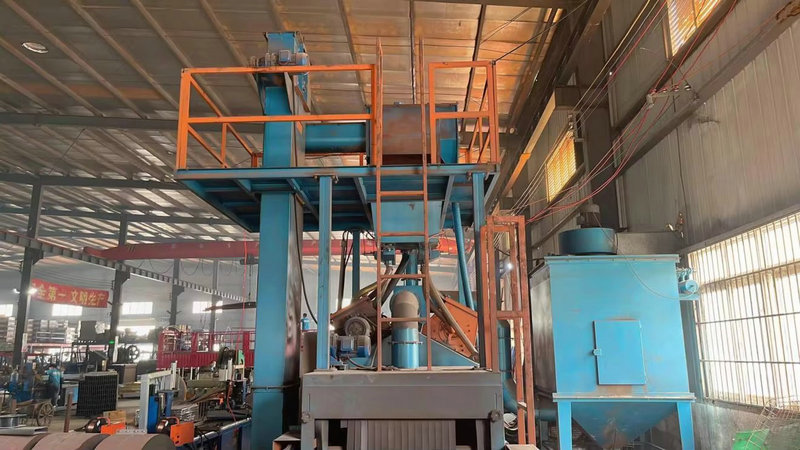
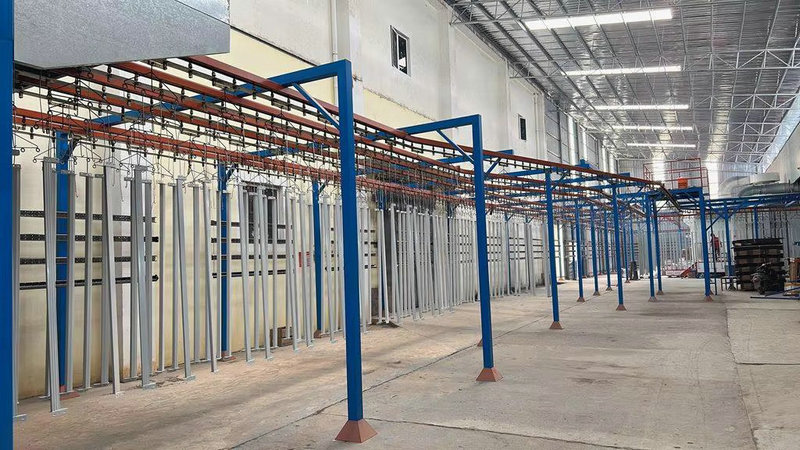
Our 18,500㎡ production facility is equipped with automated robotic welding arms, high-precision laser cutters, and advanced multi-stage powder coating lines. By integrating raw material sourcing, automated component manufacturing, and custom R&D internally, we maintain control over lead times and quality standards, passing the resulting cost and schedule efficiencies directly to our global clients.
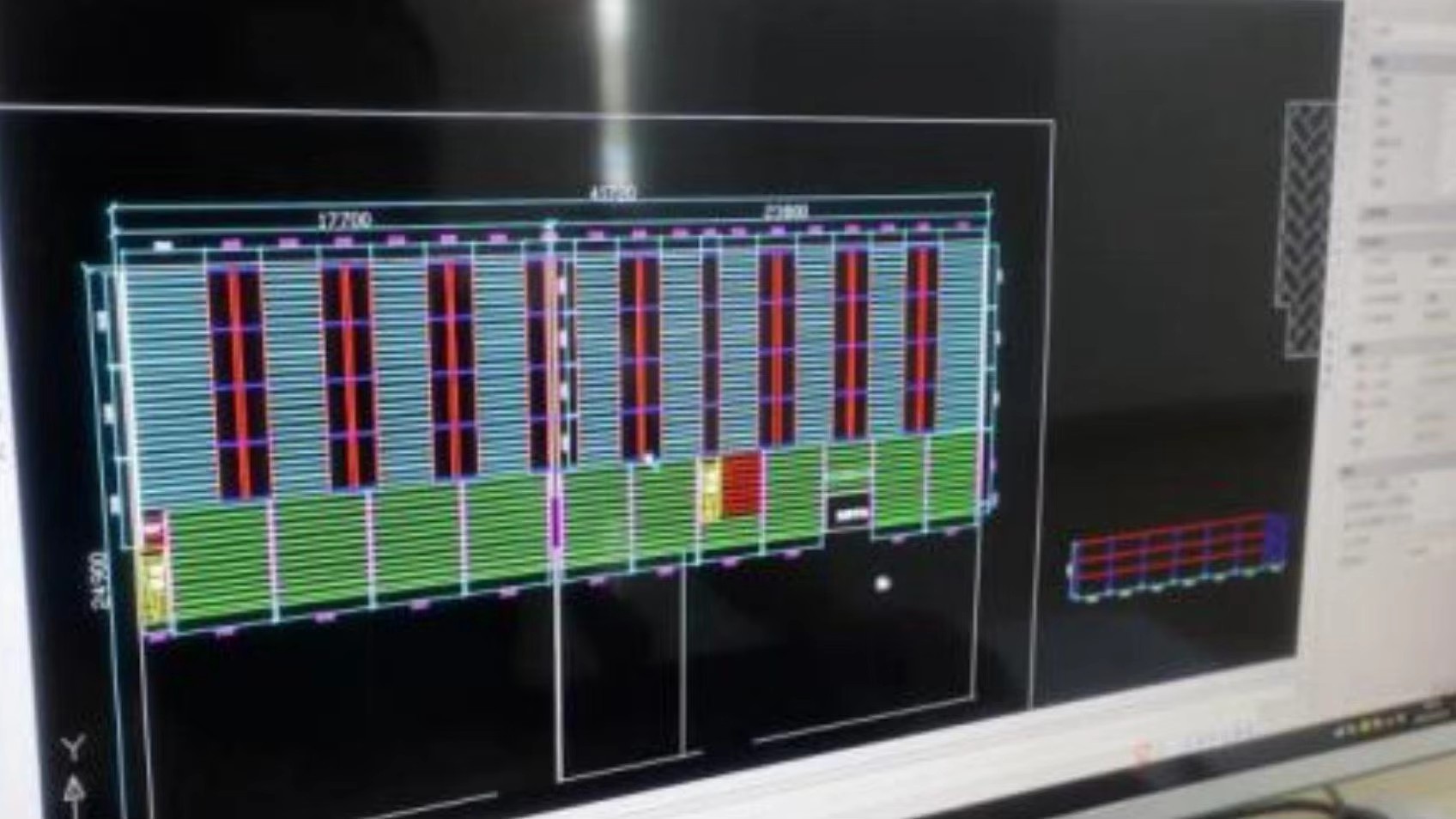
A visual tour of our production floor showing our structural fabrication, surface treatment, and quality control systems.
Expert technical clarity addressing complex logistical storage and procurement requirements.
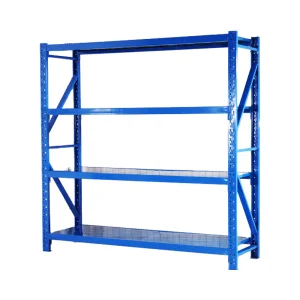
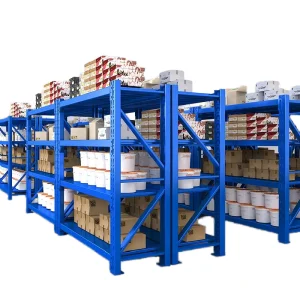
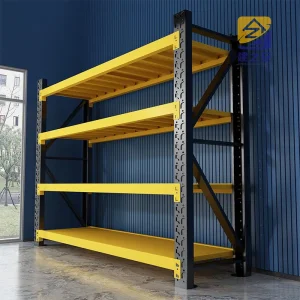
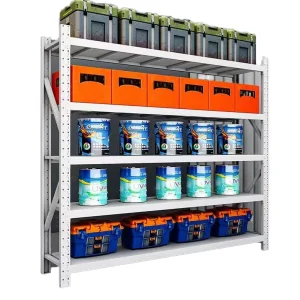
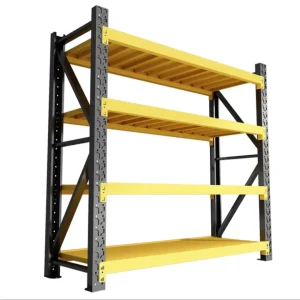
Discover our heavy-duty industrial and commercial racking range optimized for retail and high-bay operations.
 Guichang Metal Racks