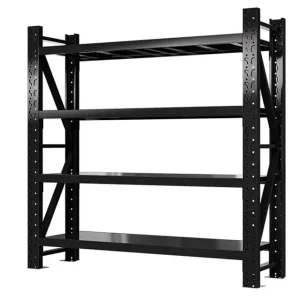
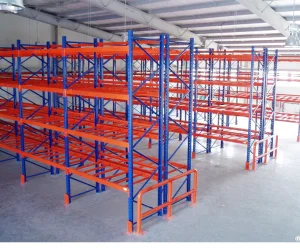
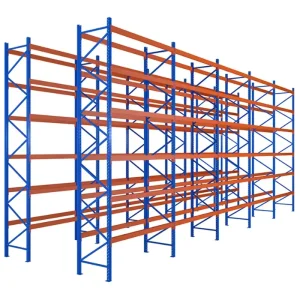
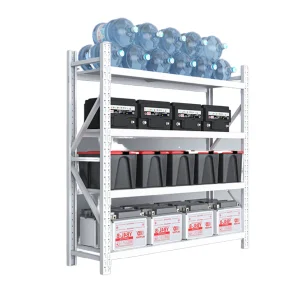
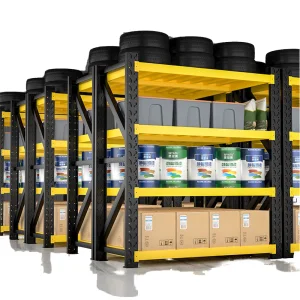
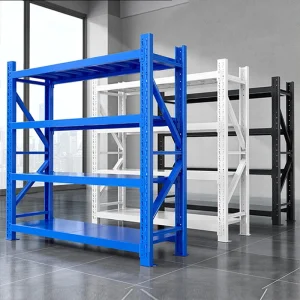
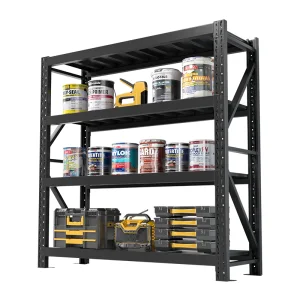
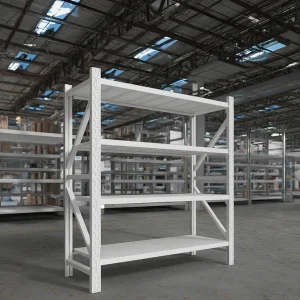
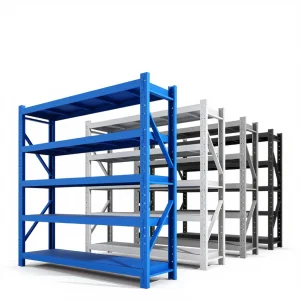
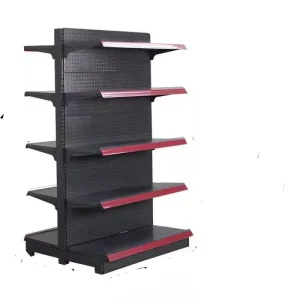
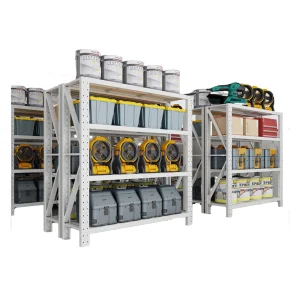
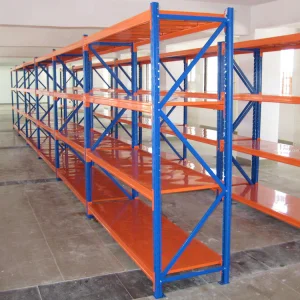
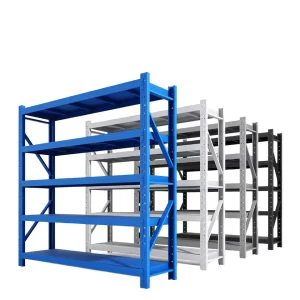
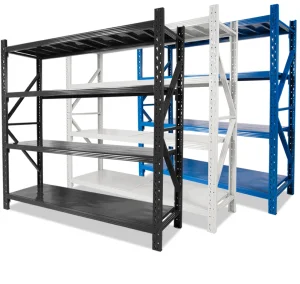
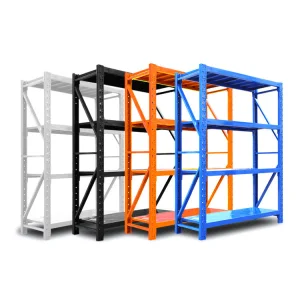
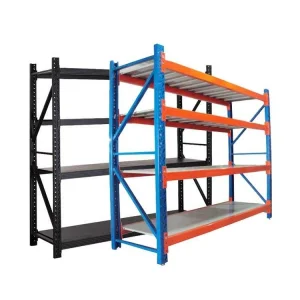
Custom OEM Medium Duty Storage Factories & Exporters

Providing Precision-Engineered Storage Racks, Smart Logistics Infrastructure, and Industrial-Scale Supply Chain Resilience Globally

Industrial White Paper: Evolution of Medium-Duty Storage Systems

An In-depth Analysis of Structural Mechanics, Material Engineering, and Global Supply Optimization

1. Executive Summary & Market Mechanics

In modern logistics, warehousing, and supply chain design, the selection of storage infrastructure plays a vital role in determining space utilization, load dynamics, and workflow efficiency. Medium-duty storage systems (typically handling payloads between 200 kg and 800 kg per storage level) serve as a crucial structural bridge between light-duty shelving and heavy-duty structural pallet racks.

As global supply chains shift toward high-frequency order profiles and rapid inventory turns, warehouse operators require storage systems that combine mechanical rigidity with modular adaptability. This document details the engineering specifications, global commercial dynamics, local applications, and structural advancements of customizable OEM medium-duty racks, outlining why professional engineering makes the difference.

"Structural integrity in medium-duty shelving is not merely about surviving the static load; it is about guaranteeing long-term safety factor margins under continuous dynamic cycles, variable seismic threats, and environmental corrosion."

2. Global Commercial & Industrial Status

Industrial warehousing is undergoing a profound structural shift. With the expansion of global cross-border e-commerce, the rise of automated guided vehicles (AGVs) and autonomous mobile robots (AMRs), and the adoption of micro-fulfillment hubs near major urban centers, storage systems are no longer treated as passive steel frames. They are integrated assets that must conform to precise dimensional tolerances, seismic codes, and safety compliance benchmarks.

In Western markets (North America and Europe), strict work safety guidelines (such as OSHA in the US and EN/FEM specifications in Europe) require documented load capacities, certified raw material traceability, and non-destructive testing processes. At the same time, regional logistics spaces are dealing with high rental costs, making optimization of the vertical space (cube utilization) a primary operational goal. In this high-stakes environment, custom OEM medium-duty systems provide the exact load-bearing capacity needed without the weight and cost penalties of heavy pallet racking.

3. Global Enterprise Procurement Trends

Industrial buyers, project managers, and logistics contractors face several challenges when sourcing medium-duty storage. Procurement criteria have shifted from purely focusing on price to evaluating long-term value, which includes compliance, versatility, and supply reliability:

  • Structural Customization & Modularity: Standard dimensions rarely fit complex facility layouts. Enterprises require customizable heights, depths, shelf types (wire mesh decking, steel panels, or high-density fiberboard), and locking mechanisms that can adapt to changing stock keeping units (SKUs).
  • Environmental Durability: For cold-chain operations, chemical processing units, or high-humidity coastal storage, corrosion is a significant concern. Procurement managers seek advanced corrosion protection, such as thick electrostatic powder coating (60–80 microns) or high-grade hot-dip galvanization.
  • Ease of Installation: Fast, boltless assembly designs reduce labor hours and system deployment times. High-quality click-in or hook-and-lock configurations minimize installation errors and ongoing maintenance costs.
  • Safety Standards: Racks must comply with international testing protocols, including ISO 9001 quality audits, CE certification, and load-deflection metrics (where beam deflection is limited to L/200 under full load).

Guangdong Guichang Metal Racks Trading Co., Ltd.

China Factory 4.0: Delivering Global Supply Chain Resilience and Structural Integrity

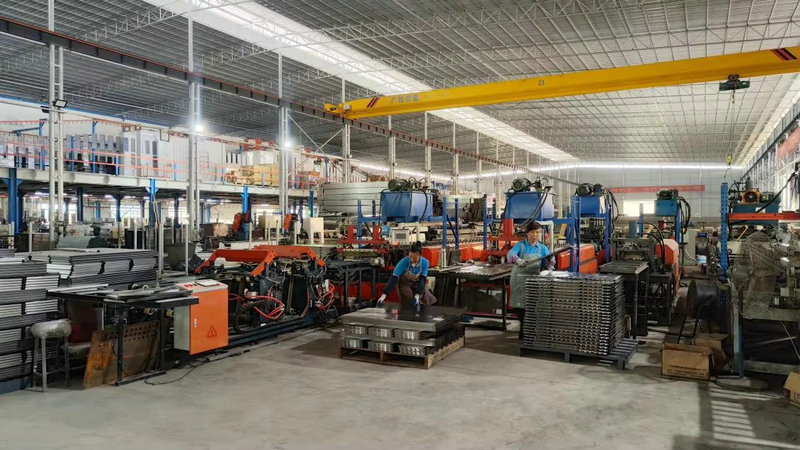
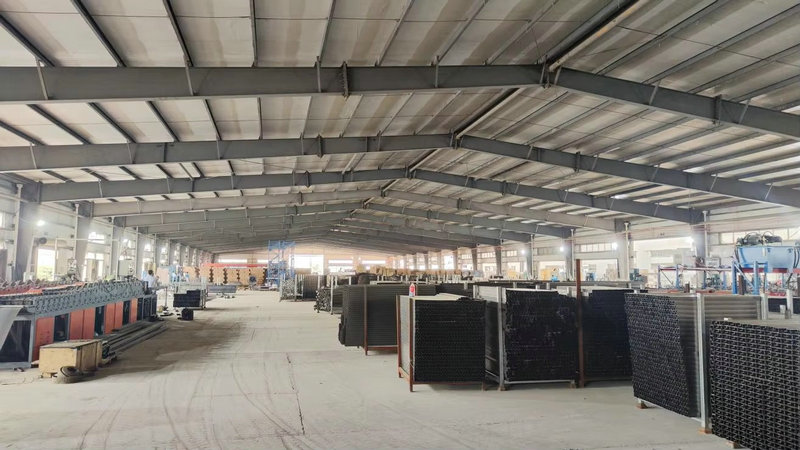
18,500㎡ Modern Manufacturing Facility
$18M USD Annual Export Revenue
12 Years Industry Experience
45 Professional QC Inspectors

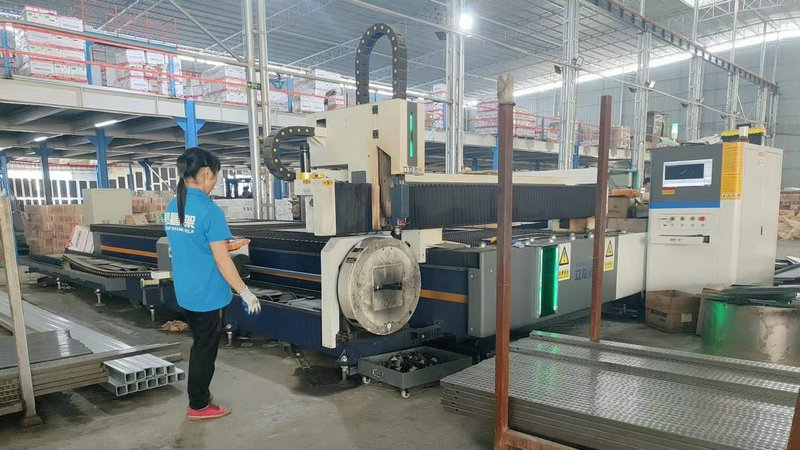
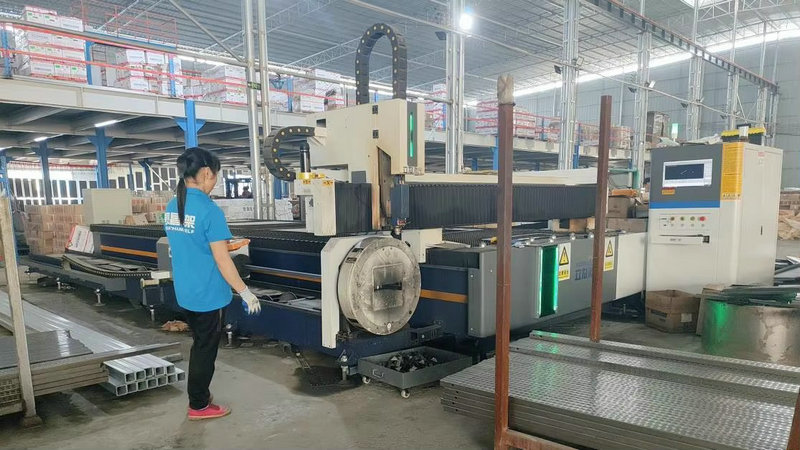
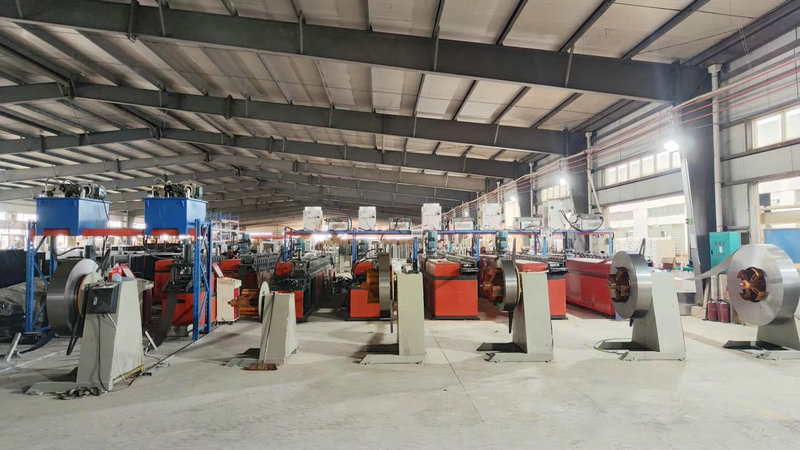
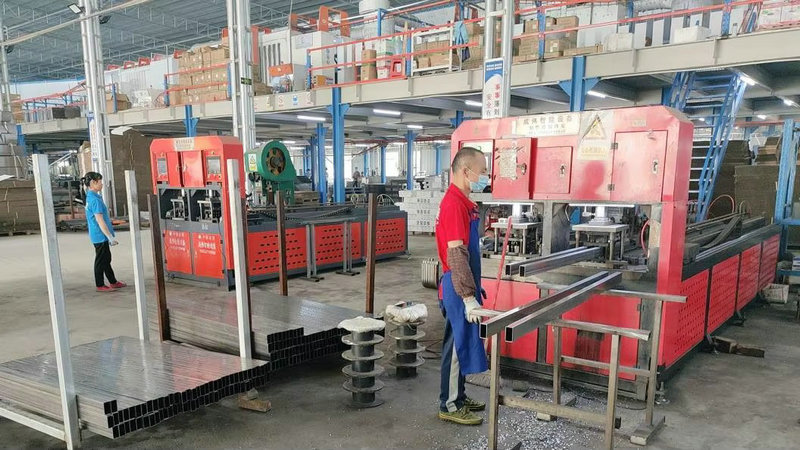
Established in 2016, Guangdong Guichang Metal Racks Trading Co., Ltd. has grown into a leading manufacturer specializing in the design, development, and high-volume supply of premium warehouse storage rack systems. Operating a modern, state-of-the-art facility covering 18,500㎡, we leverage advanced machinery, strict quality protocols, and deep engineering expertise to deliver robust storage equipment to customers worldwide.

With an annual export value of approximately USD 18 million and over 8 years of dedicated export experience (complemented by 12 years of total industry experience), we have built a dependable supply infrastructure. We collaborate with more than 850 strategic suppliers and partners to secure high-quality raw materials (primarily Q235B high-tensile cold-rolled steel), maintain production schedules, and offer competitive delivery times to distributors, warehouse operators, and e-commerce fulfillment hubs globally.

Strict Quality Assurance & Testing Framework

Safety and durability are central to our design philosophy. We implement strict quality control procedures across our production lines, adhering closely to the ISO 9001 quality management framework. Our QA process is managed by 45 professional inspectors and includes:

Raw Material & Dimension Inspection
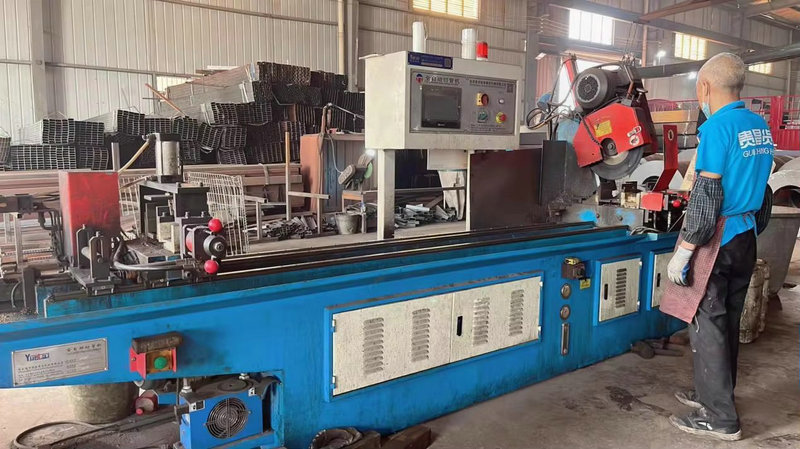
Every batch of cold-rolled steel coils undergoes chemical composition analysis and tensile strength testing. Precision calipers measure sheet thicknesses to ensure strict compliance with engineering drawings.
Welding & Surface Profilometry
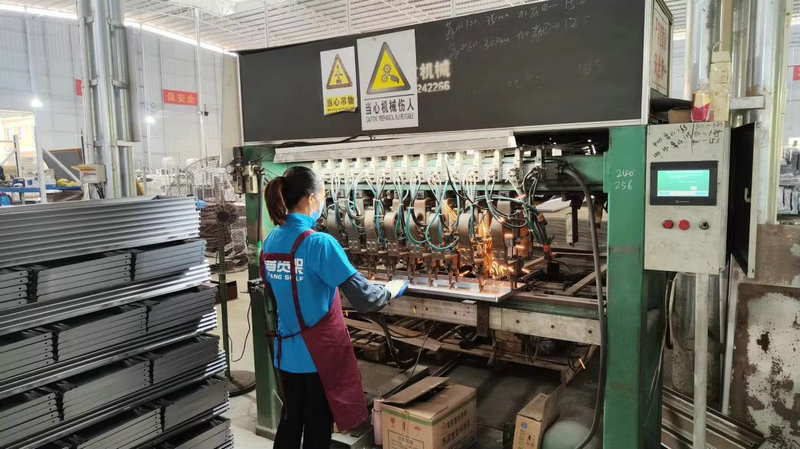
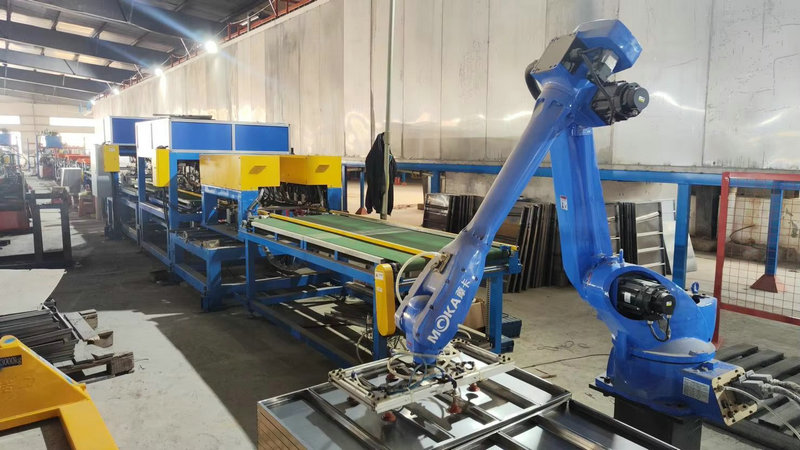
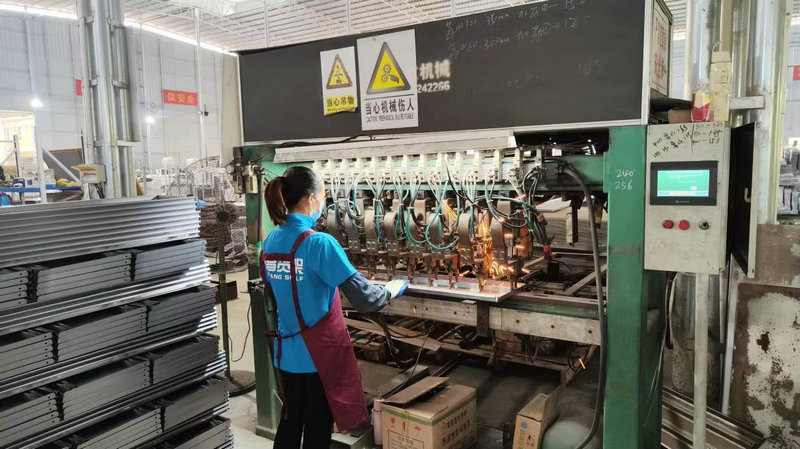
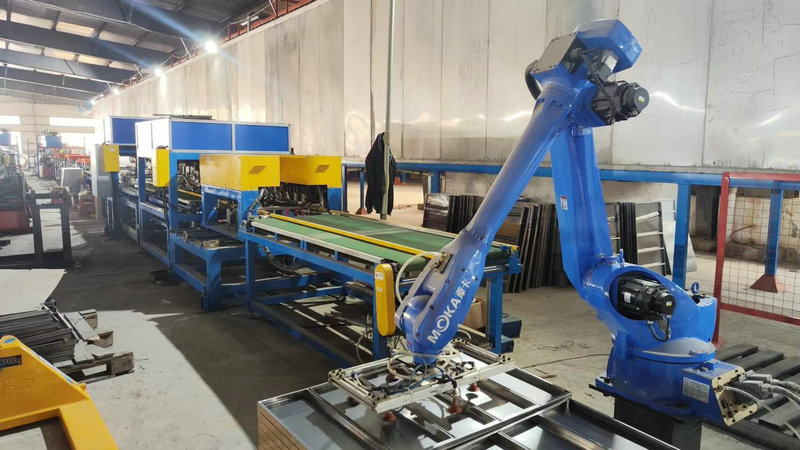
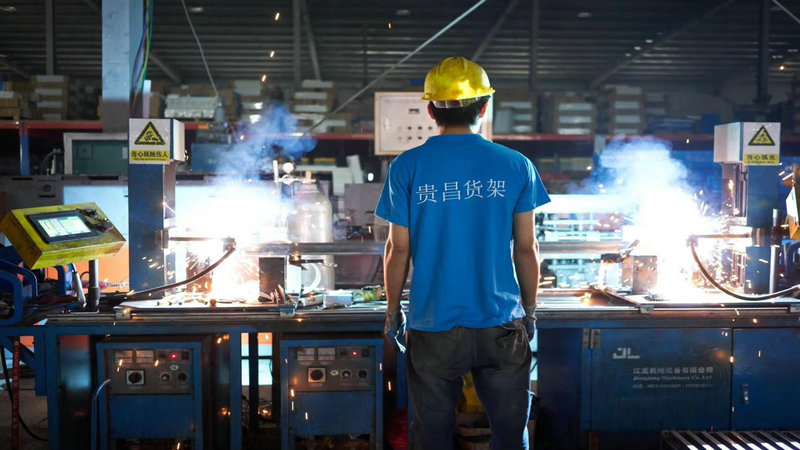
Automatic robotic welders produce uniform, high-strength connections. Joints undergo ultrasonic inspections to verify structural soundness. Micro-gauge testing validates powder coating thickness (60-80μm) for optimal scratch and corrosion resistance.
Dynamic Load & Adhesion Tests
We perform ultimate load-bearing tests to verify safety margins (typically 1.5x the rated capacity). Cross-hatch adhesion tests evaluate the powder coat finish, and salt spray testing measures resistance to oxidation in humid or corrosive environments.

Continuous Innovation & R&D Excellence

We continuous adapt our designs to meet evolving logistics demands. Our R&D department features 18 professional engineers specializing in mechanical structural design, warehouse layout optimization, and metallurgy. Over the past year, we launched 320 new products, expanding our product catalog to offer flexible OEM/ODM options. These include customizations for loading parameters, upright profile thicknesses, steel configurations, and powder coat options.
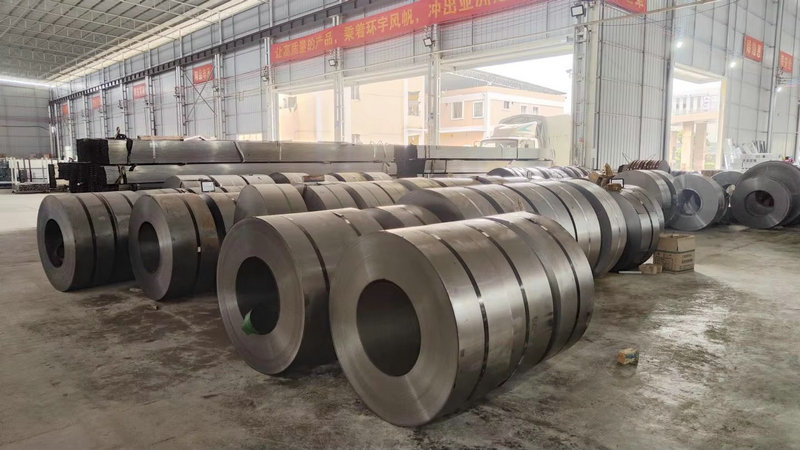
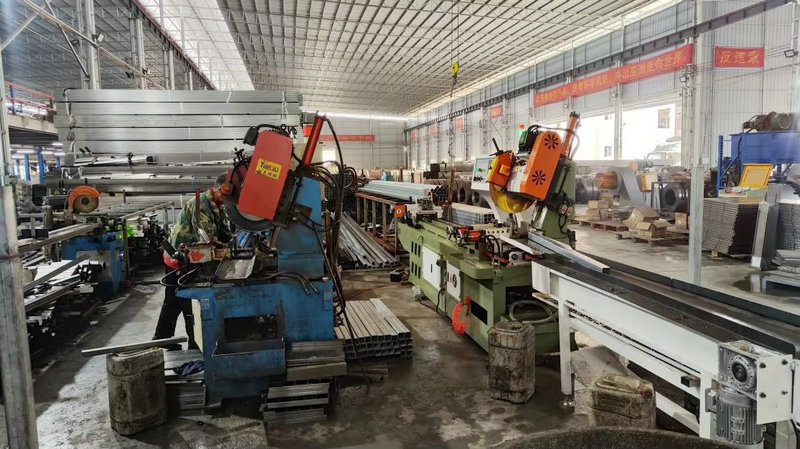
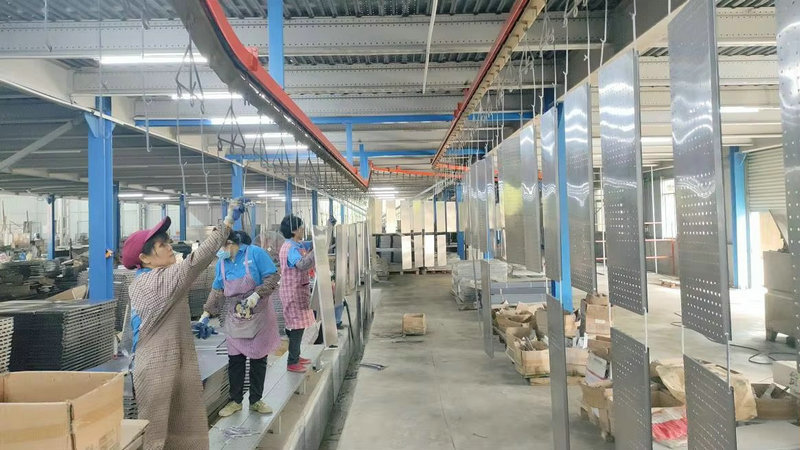
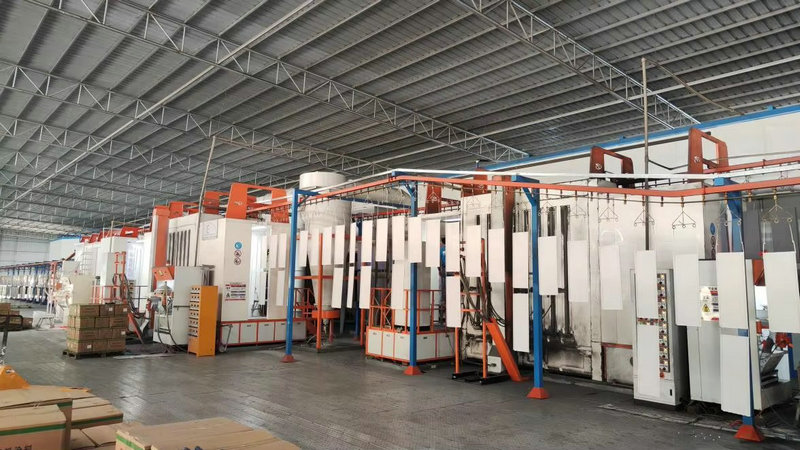
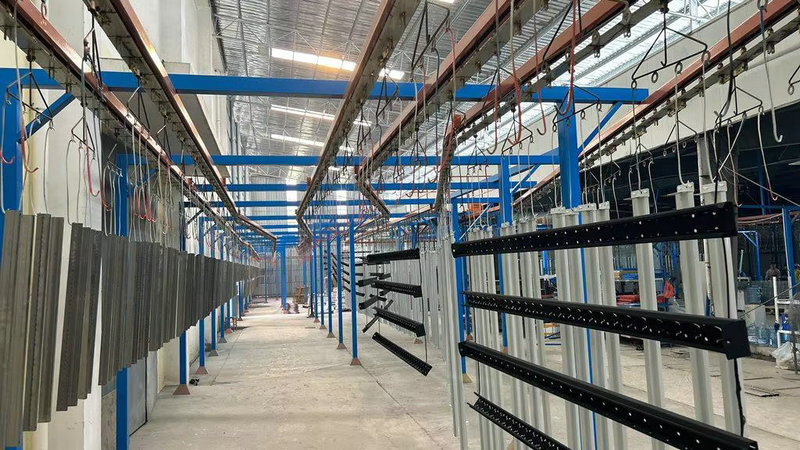
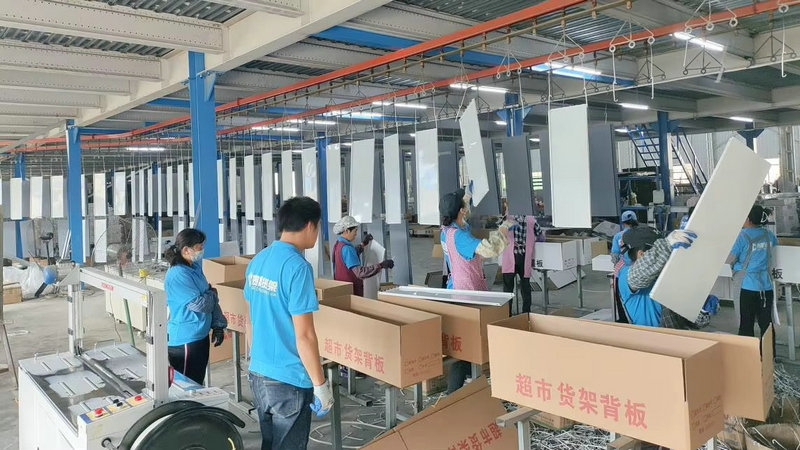
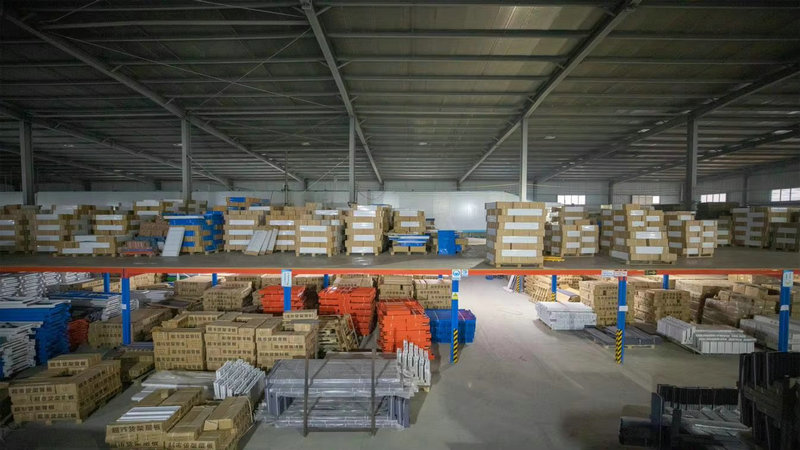
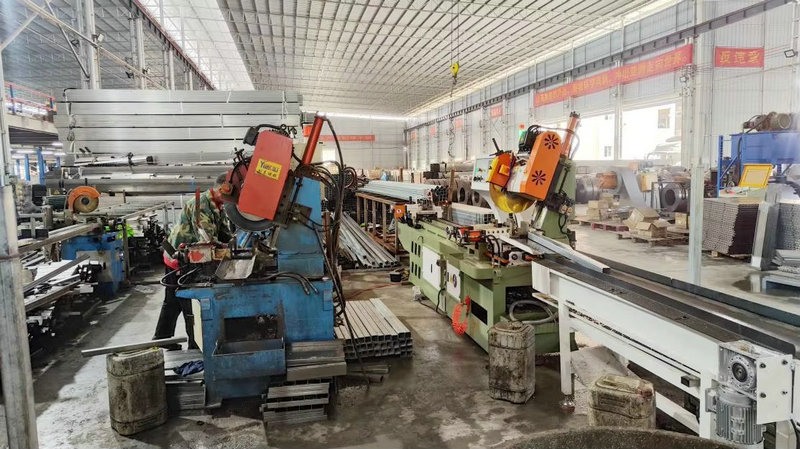
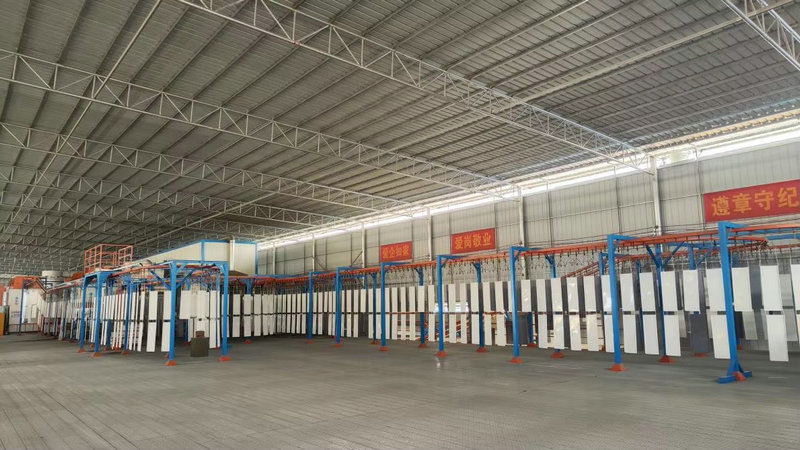
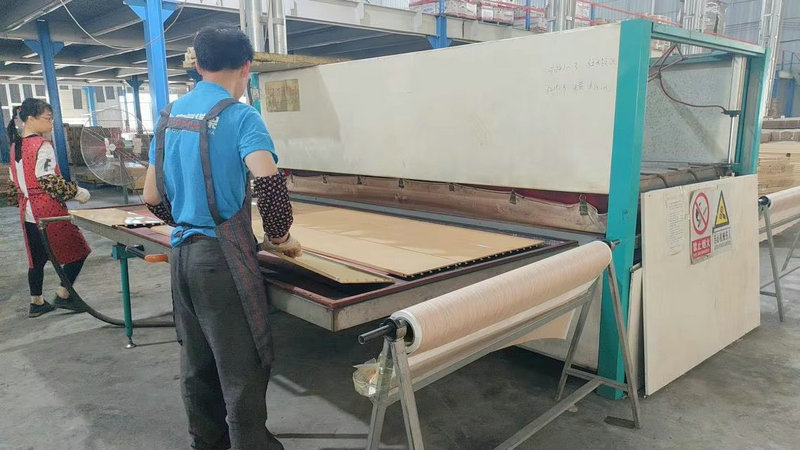
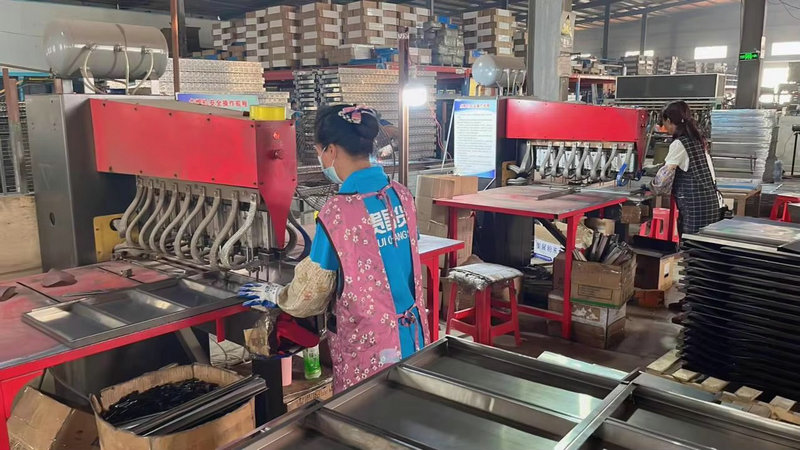
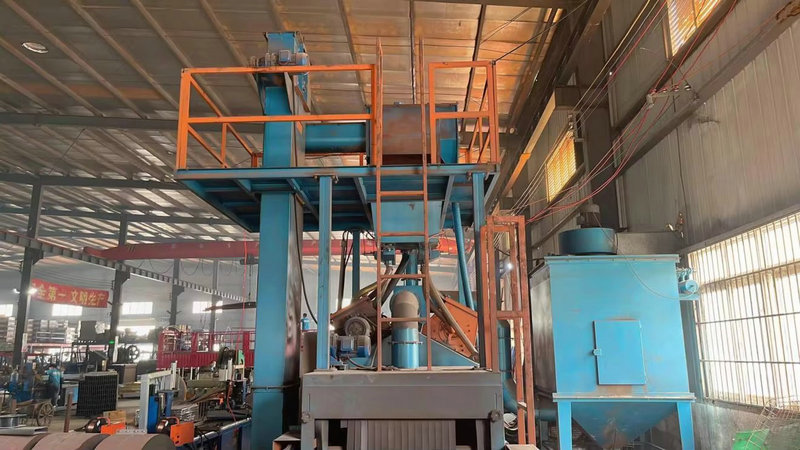
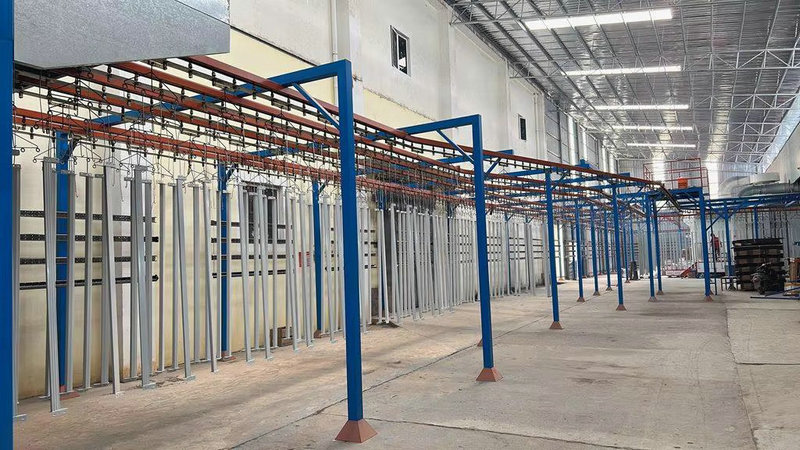
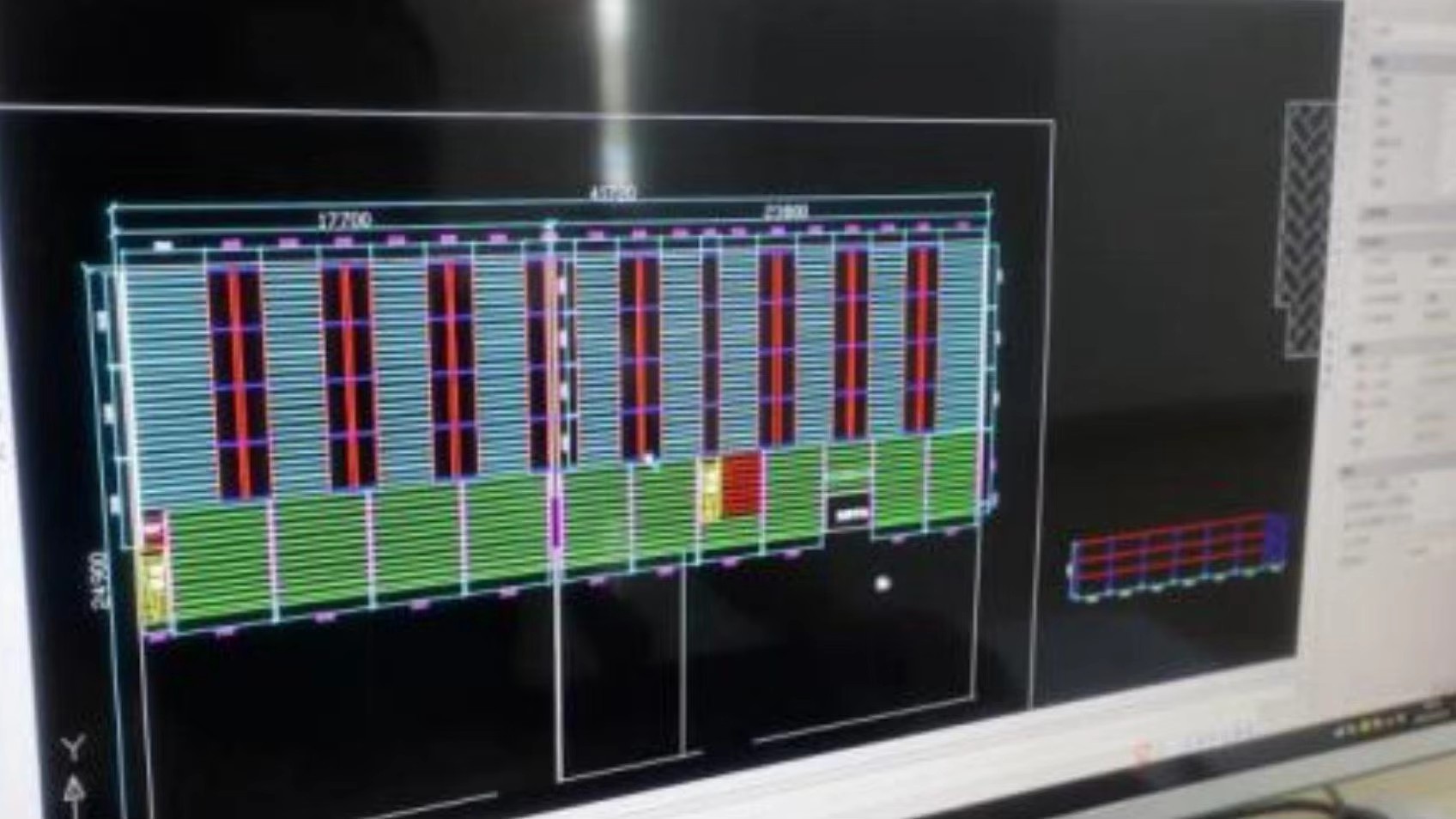
Advanced Integrated Production Facility

Localized Applications: Deploying Medium-Duty Shelving Across Industries

Versatile storage solutions tailored to specific commercial environments

E-Commerce & High-Frequency Fulfillment
With dynamic order profiles, pick-and-pack zones require highly organized layout structures. Customizable open-shelf boltless racks allow warehouse workers to access goods from all sides, increasing picks per hour.
Automotive Component & Spare Parts Logistics
Heavy sub-assemblies, steel components, and brake rotors require storage solutions that resist structural sagging. Guichang’s cold-rolled steel panels support dense, safe storage without compromising vertical structural integrity.
Corporate Archives & Medical Document Storage
Offices, medical centers, and public archives need high-density, fire-safe solutions. Adjustable light-to-medium systems organize documents efficiently, maximizing space in tight areas.

4. Materials Science: Why Cold-Rolled Q235B Steel Matters

The mechanical performance of a storage rack depends directly on the quality of its structural steel. At Guichang, we use cold-rolled Q235B steel, an industrial alloy known for its balanced yield strength, ductility, and weldability.

Unlike hot-rolled steel, cold-rolled steel is processed at room temperature, which increases its yield strength through strain hardening and provides precise dimensional tolerances. This ensures that the upright profiles and horizontal beams of our racking systems slot together securely, maintaining flat alignments and uniform load distribution.

5. Electrostatic Powder Coating & Galvanization Technology

Environmental factors like humidity and airborne chemicals can compromise steel storage systems. To prevent oxidation and rust, we apply a multi-stage surface treatment process:

  • Chemical Pre-treatment (De-greasing & Phosphating): We wash the steel surfaces in automated spray chambers to remove residual mill oils and establish a phosphate conversion coating. This optimizes powder adhesion.
  • Electrostatic Powder Application: We apply a high-grade epoxy-polyester powder using electrostatic guns. This ensures even coverage in hard-to-reach slots and corners.
  • Thermal Curing: The coated profiles are cured in ovens at temperatures between 180°C and 200°C. This cross-links the polymers, creating a durable finish that resists impact, abrasion, and chemicals.

Expert Engineering Q&A: Sourcing Medium-Duty Racking Systems

Crucial technical specifications and guidelines for industrial buyers

What distinguishes a medium-duty rack from a light-duty or heavy-duty system?
Medium-duty storage systems are engineered to support payloads between 200 kg and 800 kg per level. They utilize thicker cold-rolled steel profiles (typically 1.2 mm to 2.0 mm) compared to light-duty shelving. Unlike heavy-duty pallet racks, which require forklifts for loading, medium-duty units are designed for manual hand-loading, split-case picking, and carton-flow systems.
How does Guangdong Guichang verify the rated load capacities of its racks?
Our QC team uses hydraulic testing presses to load structural components up to 1.5 times their rated capacity. This verifies that structural deflection remains within the safe limit of L/200 (deflection length not exceeding 1/200th of the span length) and ensures a reliable safety factor for everyday warehouse operations.
Can these medium-duty racks be customized to meet regional building codes and seismic requirements?
Yes. Our engineering team can adjust upright profiles, base plates, and bracing patterns to meet local seismic codes and structural requirements. We design custom solutions that align with ANSI/RMI specifications in North America and FEM guidelines in Europe.
What custom surface treatment finishes are available for humid or corrosive environments?
We offer electrostatic epoxy-polyester powder coating for standard dry storage, hot-dip galvanization for outdoor or highly humid conditions, and customized zinc plating. These treatments protect components from oxidation and rust, extending the service life of the storage systems.
What is the typical lead time for OEM/ODM orders, and what is your minimum order quantity?
Depending on order volume and the degree of custom engineering required, standard lead times range from 20 to 35 days. Because we operate an 18,500㎡ facility and work with over 850 strategic suppliers, we can scale production quickly. Please contact our sales team to discuss specific MOQs and requirements for your project.