Explore our heavy-duty warehouse storage solutions designed for global logistic hubs and automated distribution operations.
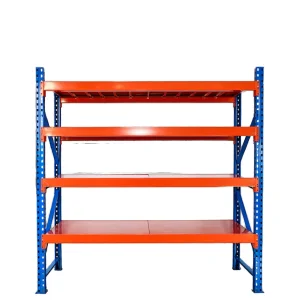
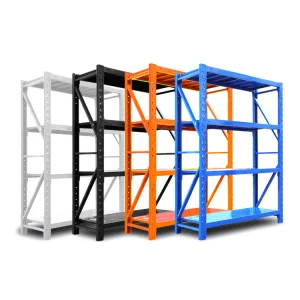
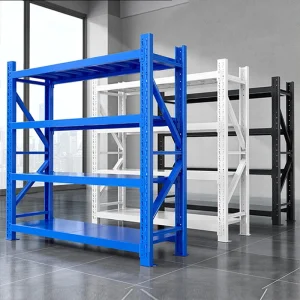
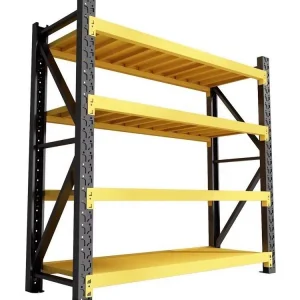
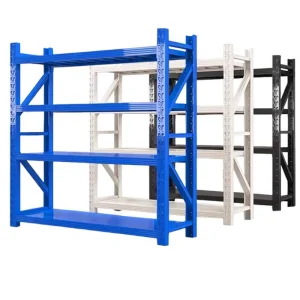
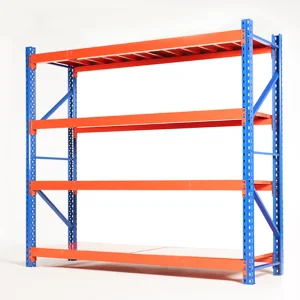
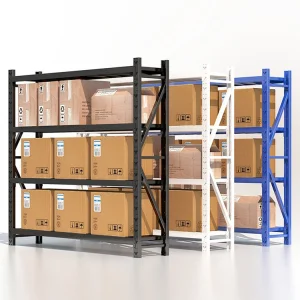
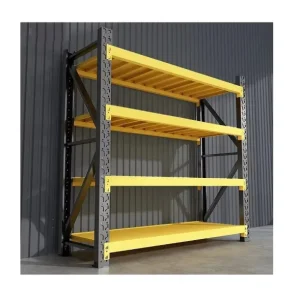
Established in 2016, Guangdong Guichang Metal Racks Trading Co., Ltd. has developed into a leading global manufacturer specializing in the advanced structural design, manufacturing, and supply of industrial warehouse racking systems. Operating out of a state-of-the-art 18,500m² manufacturing facility, we provide high-performance logistics and supply chain storage infrastructures.
We leverage 12 years of industry experience and 8 years of export operations to design structural storage solutions that conform to stringent international codes (including RMI, FEM, and AS4084). Our annual export revenue has crossed USD 18 million, driven by our dedication to material compliance, safety tolerances, and spatial efficiency.
To support high-density logistics operators, our engineers have developed specialized systems including multi-lane Push-Back Racking Systems, heavy-duty pallet systems, and customized industrial platforms. By collaborating with a network of over 850 strategic partners, we ensure robust raw material sourcing, price consistency, and timely deliveries across North America, Europe, Southeast Asia, the Middle East, and South America.
Designing high-density dynamic storage environments utilizing advanced push-back structural components.
Modern commercial real estate requires warehouses to optimize every cubic meter of storage volume. Standard selective racking systems prioritize accessibility at the cost of floor space, requiring multiple access aisles. Push-back racking systems resolve this conflict by offering dynamic, high-density storage that stores pallets up to 6 deep on nested carts riding on inclined rails.
Operating under the Last-In, First-Out (LIFO) inventory protocol, push-back storage uses gravity to slide pallets forward to the loading aisle when the front pallet is retrieved. This eliminates the need for forklift trucks to enter the racking structure (unlike Drive-In systems), drastically lowering cycle times and reducing structural damage risks.
The core of Guichang’s push-back storage engineering lies in our precision structural components. Our nested cart assembly operates on cold-formed, heavy-duty steel rails tilted at a calculated 3% grade. The carts are constructed using high-yield structural steel, fitted with dual-sealed bearings and hardened steel wheels.
Engineered for sub-zero temperatures (down to -30°C). Ideal for food and beverage logistics, preventing cart and wheel freezing.
Manufactured using high-strength structural carbon steels, yielding superior load-carrying capacities and deflection tolerances.
Fully compliant with international specifications including ANSI/MH16.1 (RMI), EN 15512, and AS4084 steel structures codes.
A look inside our 18,500㎡ facility, showing the manufacturing processes from raw materials to final packaging.
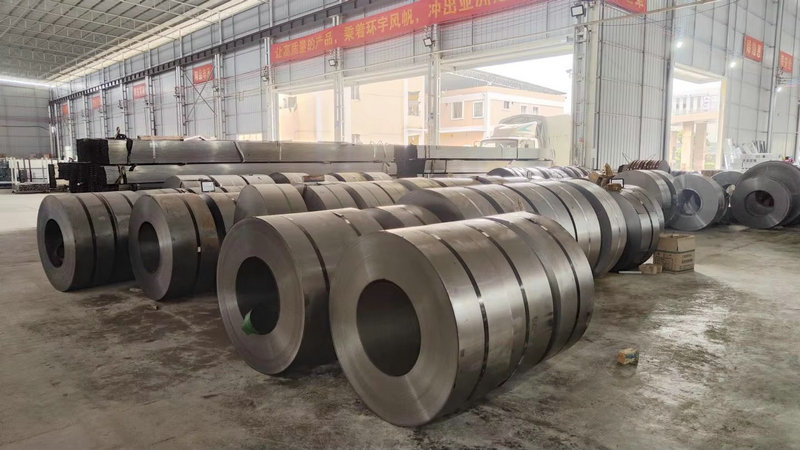
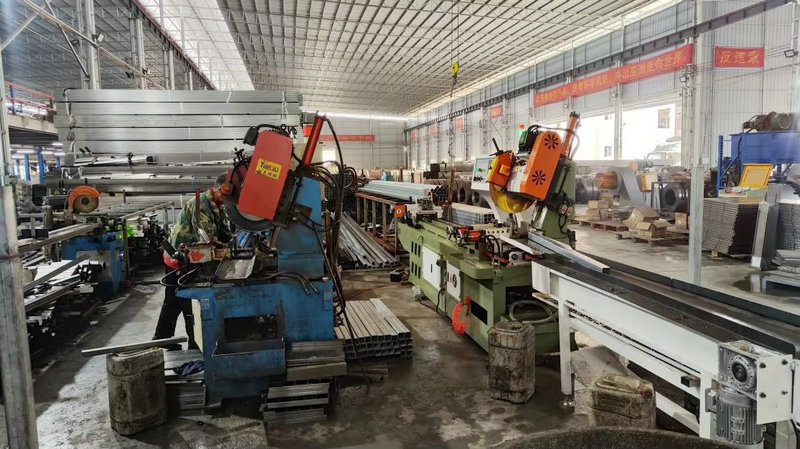
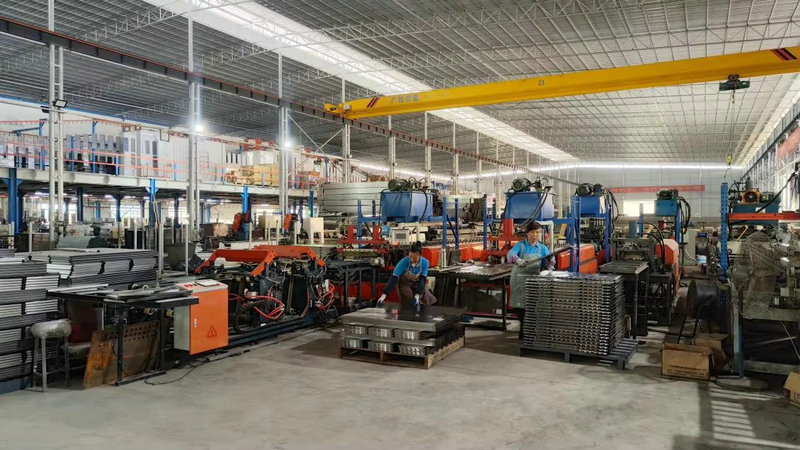
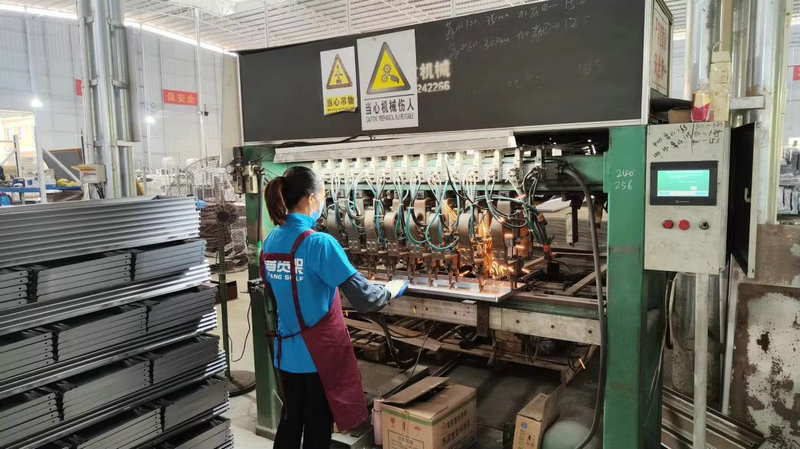
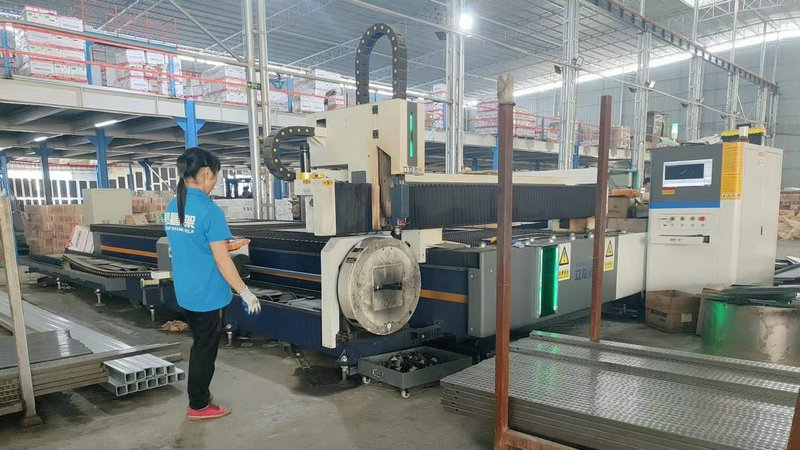
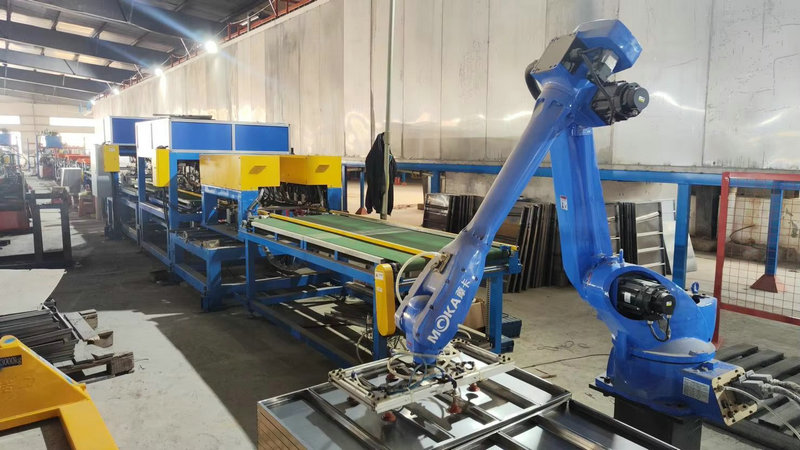
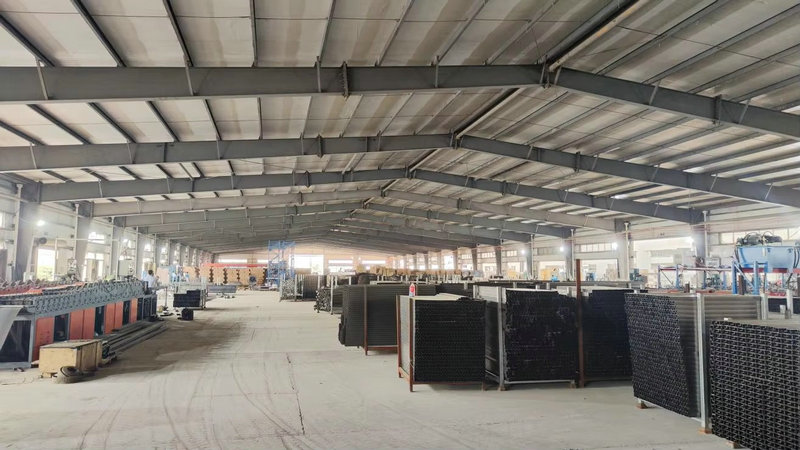
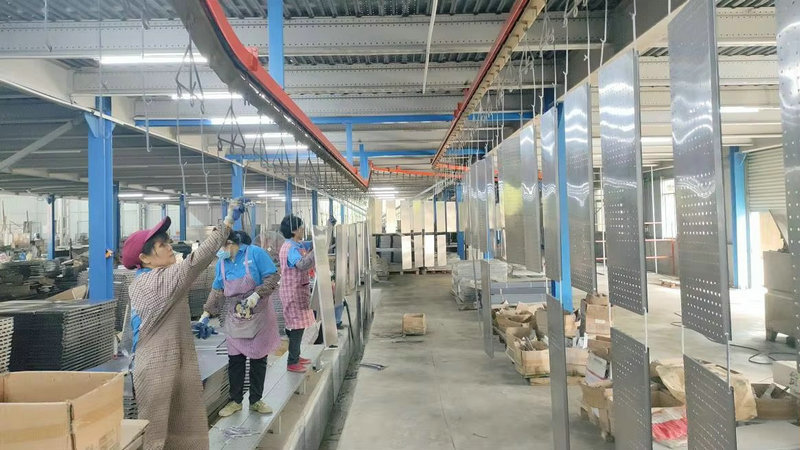
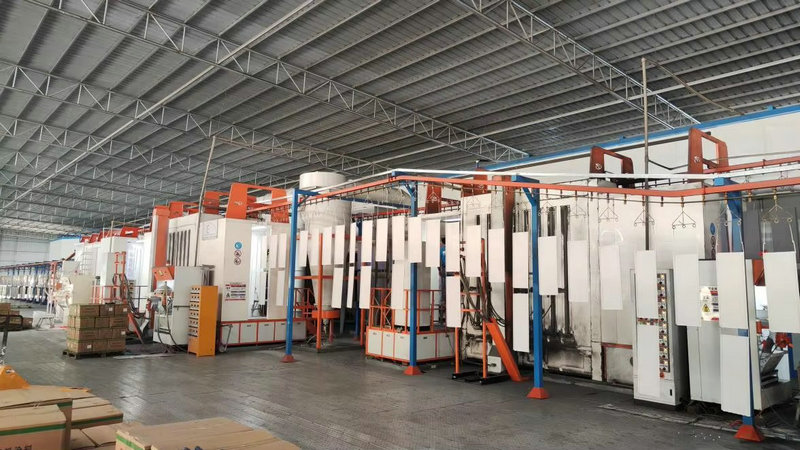
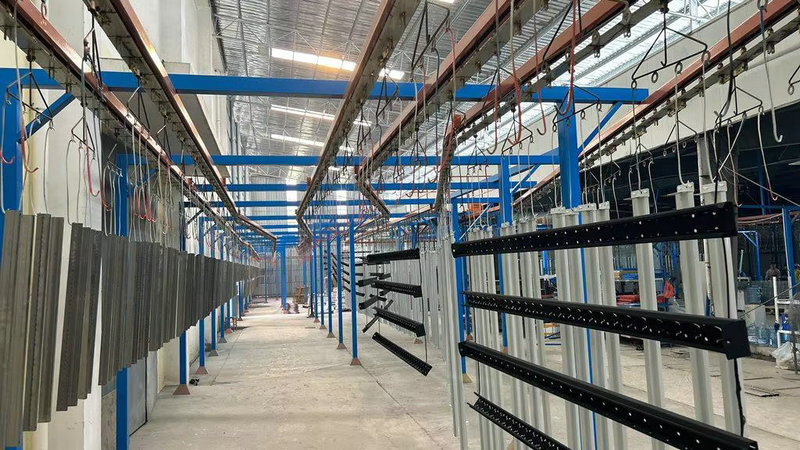
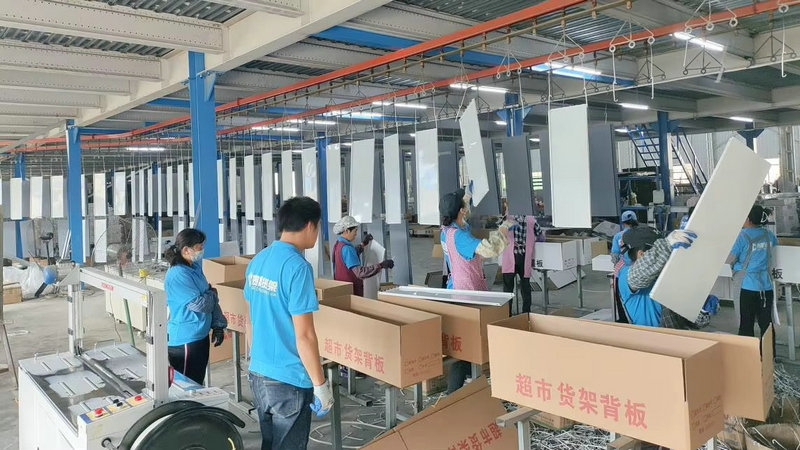
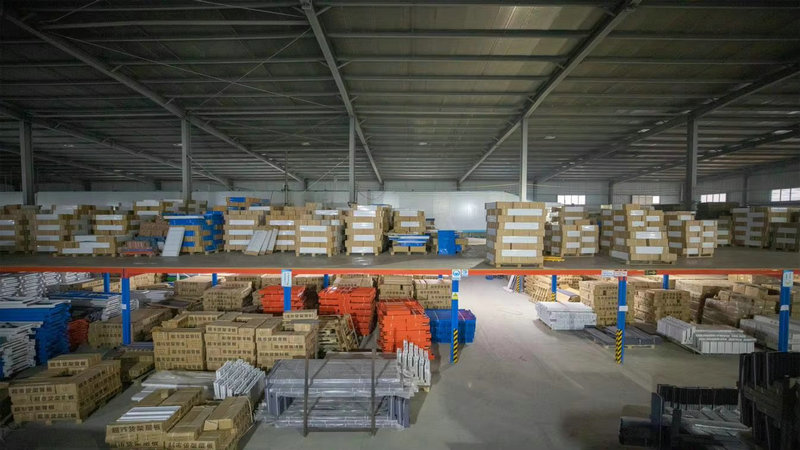
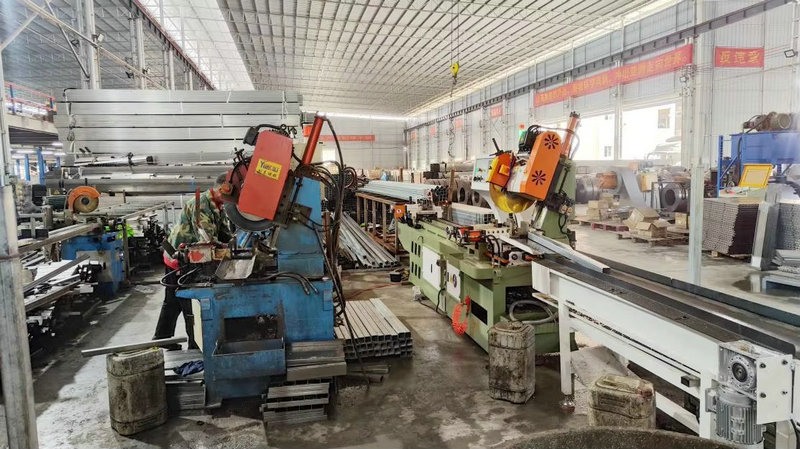
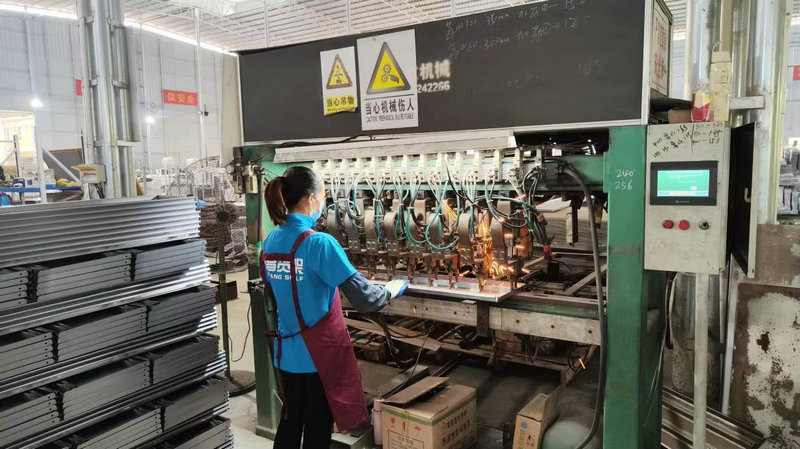
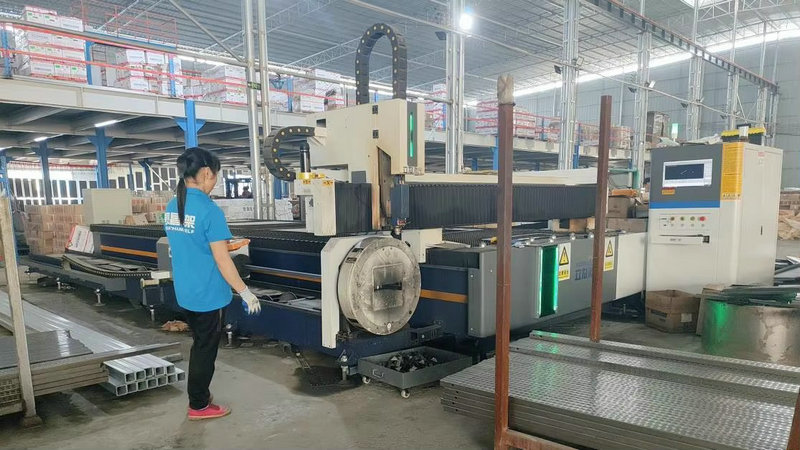
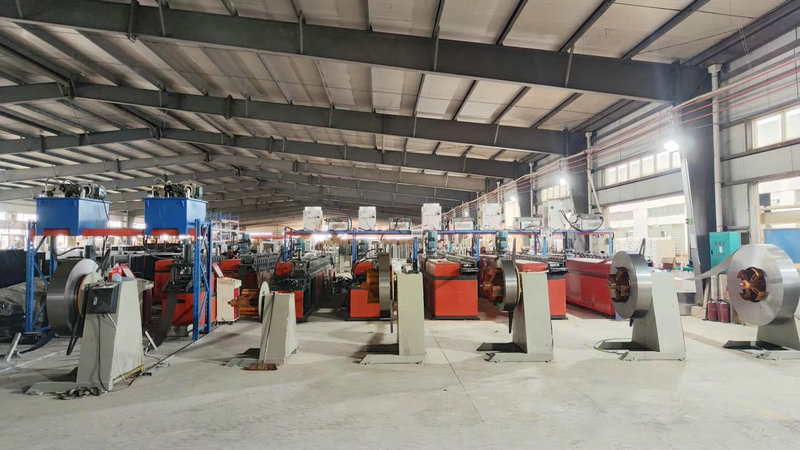
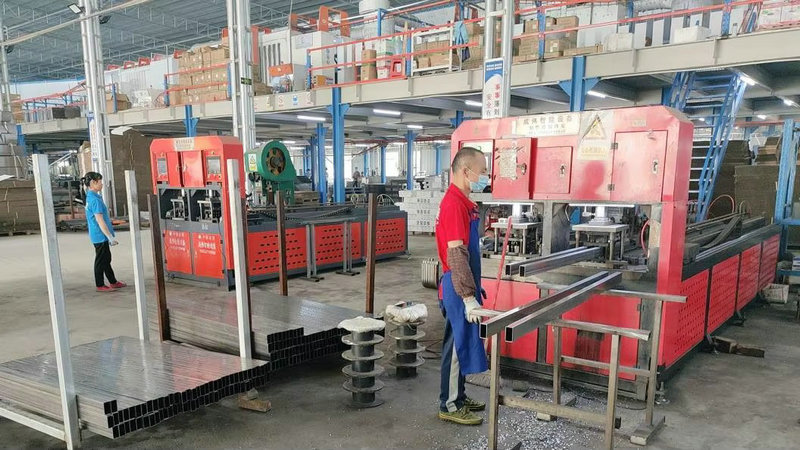
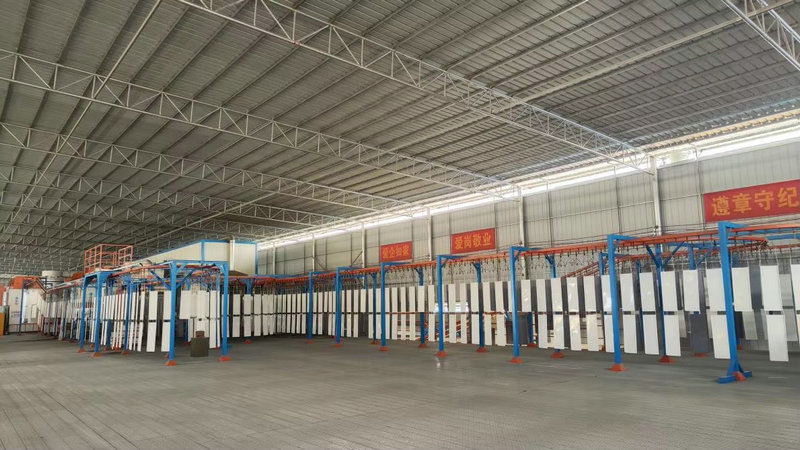
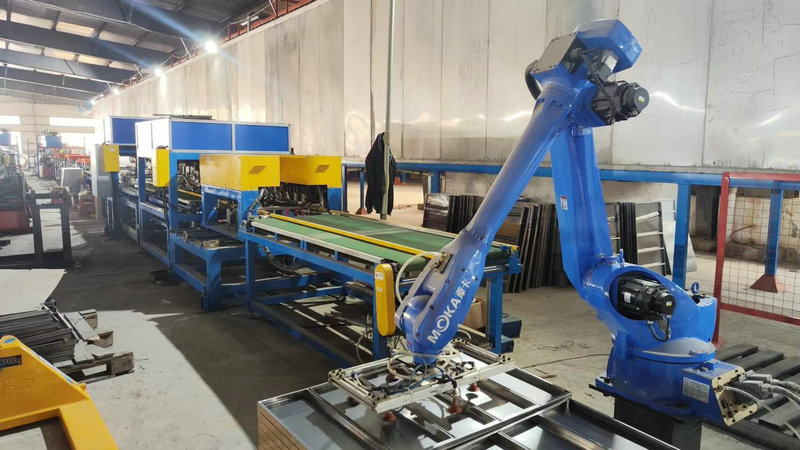
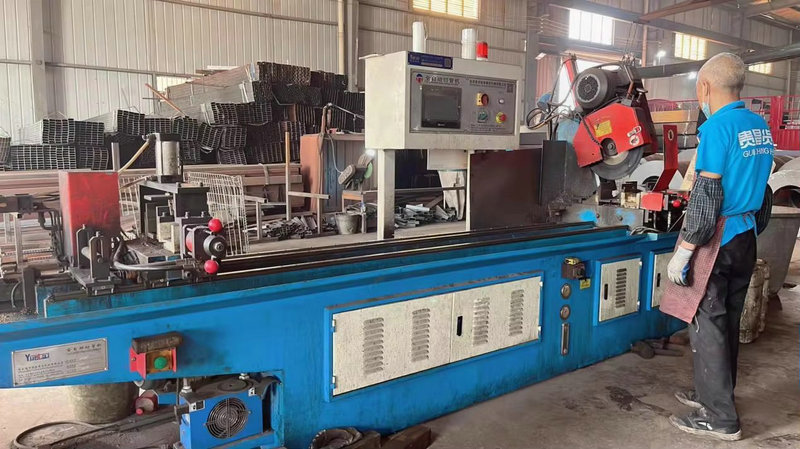
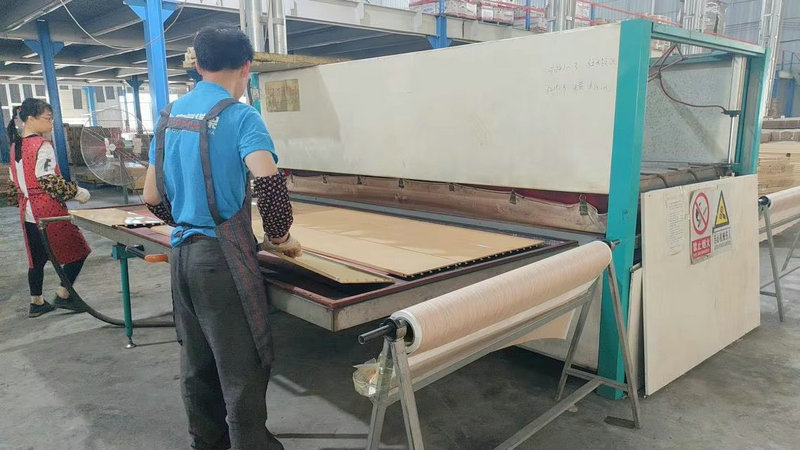
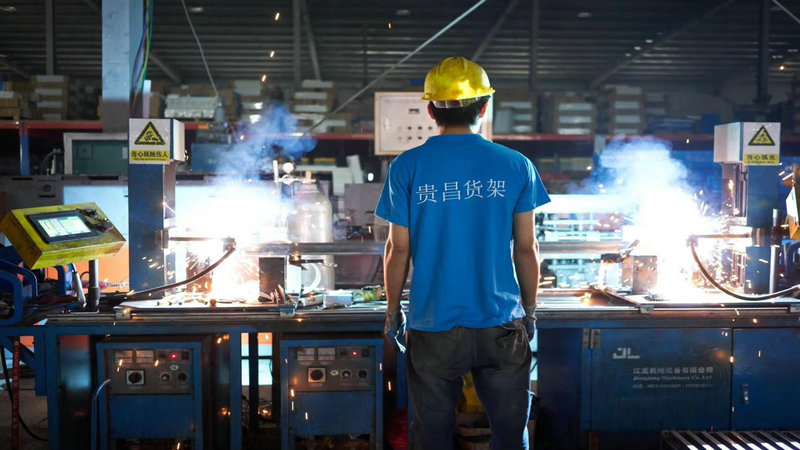
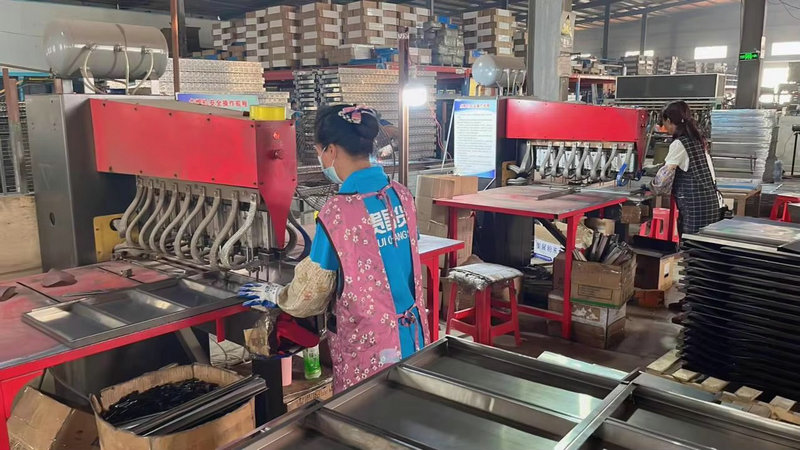
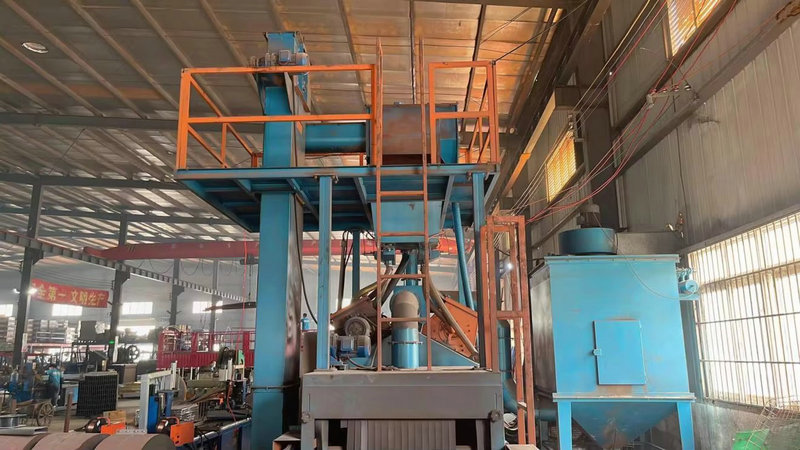
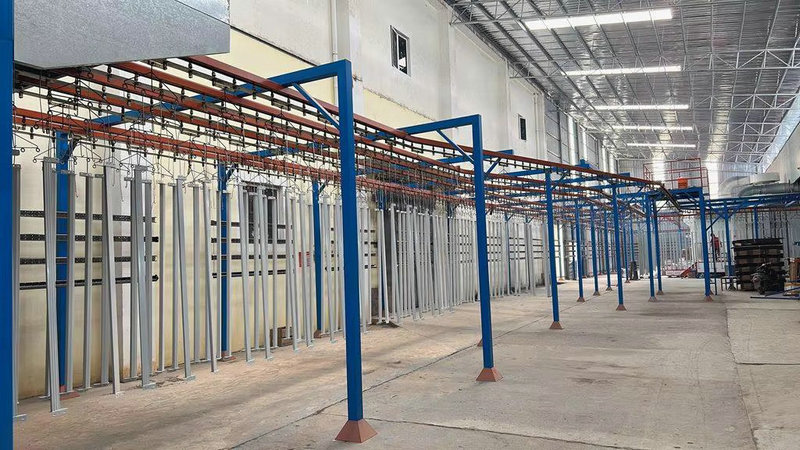
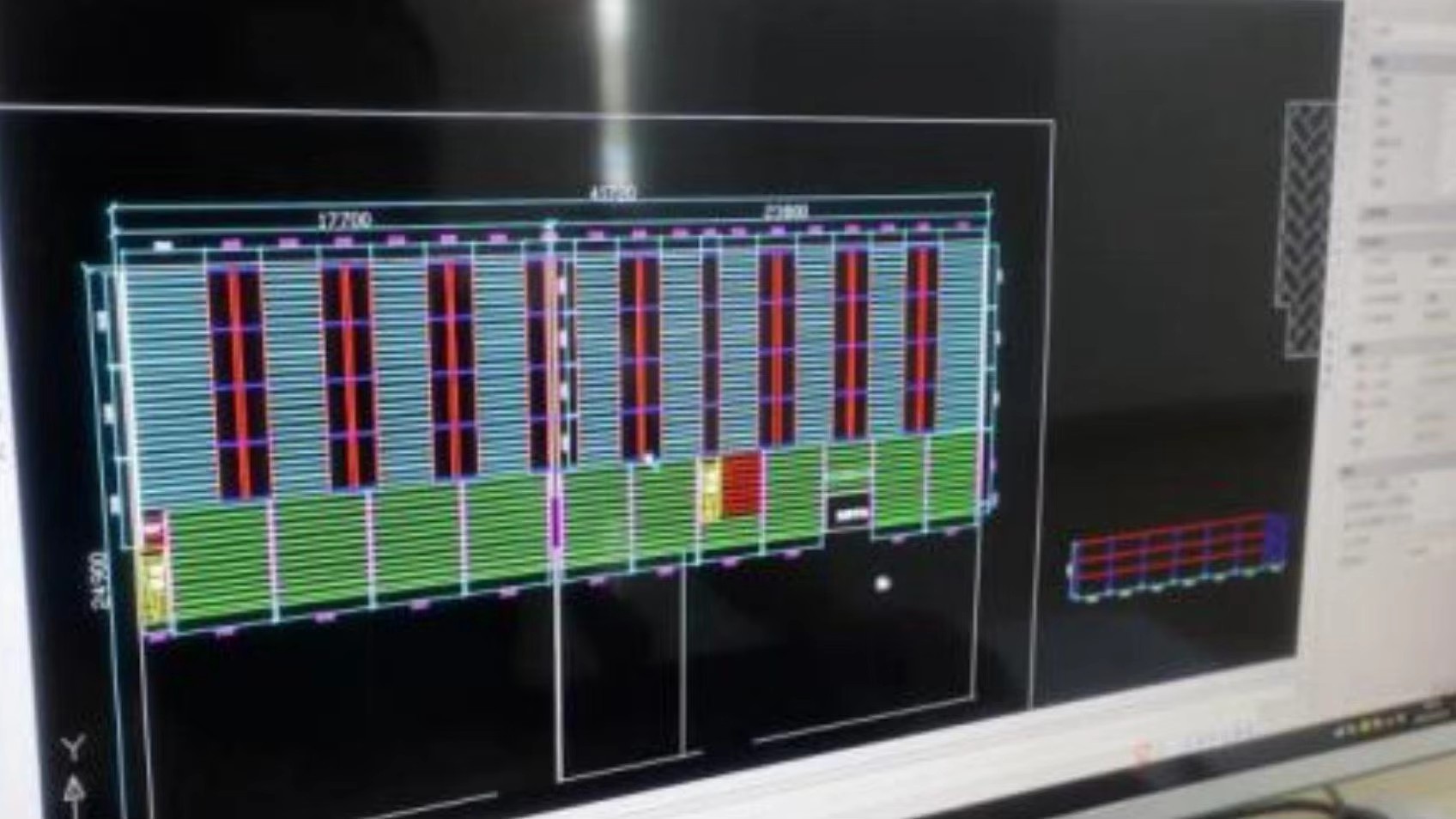
Underpinned by rigorous engineering protocols and ISO-certified manufacturing practices.
Our quality management team consists of 45 professional quality inspectors who oversee every stage of the manufacturing process from raw material delivery to loading containers. Our testing protocol includes:
| Parameters | Push-Back System | Drive-In System | Pallet Flow System |
|---|---|---|---|
| Storage Density | High (Up to 6 Deep) | Very High (Up to 10 Deep) | Maximum (Up to 20 Deep) |
| Rotation Principle | LIFO (Last-In, First-Out) | LIFO (Last-In, First-Out) | FIFO (First-In, First-Out) |
| Access Aisles | Single Loading Aisle | Single Loading Aisle | Loading & Unloading Aisles |
| Forklift Damage Risk | Very Low (No entry needed) | High (Forklift enters rack) | Minimal (No entry needed) |
| SKU Selectivity | Moderate (1 SKU per lane) | Low (1 SKU per bay) | Moderate (1 SKU per lane) |
Analyzing regional warehouse designs and international compliance requirements.
Different regions have distinct warehouse construction norms and logistic profiles. We specialize in tailoring our systems to fit these local needs:
Our dedicated R&D team consists of 18 engineers who customize designs for unique layouts and weight distributions. Within the past year, we have introduced 320 new custom products to address market updates, such as:
Safety flow retarders, heavy-duty lane bumpers, structural upright protectors, and low-friction rolling systems designed to reduce wear on automated warehouse handling equipment.
Our strategic plans for smart logistics, material science improvements, and green manufacturing.
Modern distribution centers are rapidly adopting Automated Guided Vehicles (AGVs) and autonomous reach trucks. Traditional mechanical push-back racking requires precise alignment and controlled deceleration, which can present challenges for automated systems. To address this, our R&D team is developing smart sensor-compatible push-back rail systems. By embedding target sensors and refining cart track parameters, we ensure automated systems can safely load and retrieve pallets without manual intervention.
This automated compatibility reduces operating overheads, lowers risk of dynamic impact, and allows 24/7 dark-store operation in cold-chain and dry-goods warehouses alike.
In step with global decarbonization policies, Guichang is moving toward a more sustainable manufacturing cycle. Our production facilities now source high-strength micro-alloyed steel, which offers high load capacities with less material weight. By optimizing profile designs and using green powder coating materials, we lower our carbon footprint while maintaining long-term durability. We also recycle water and heat from our automatic painting lines, making our production processes more environmentally friendly.
Answers to technical and engineering questions about push-back storage racking.
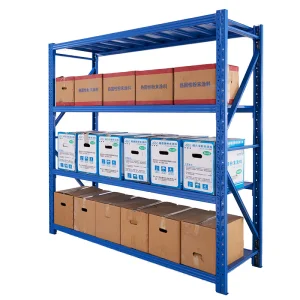
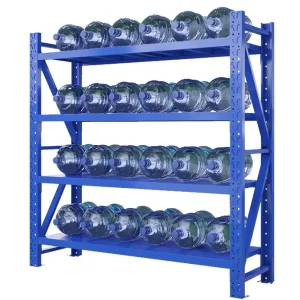
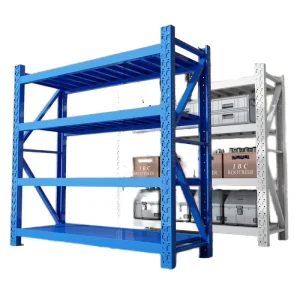
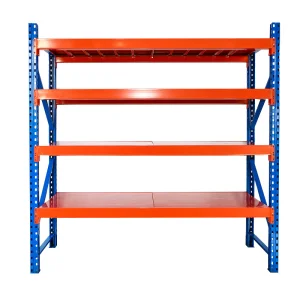
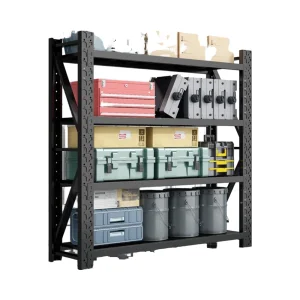
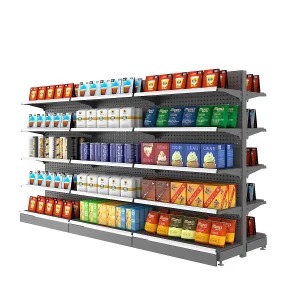
Heavy-duty, medium-duty, and retail storage units manufactured to international standards.
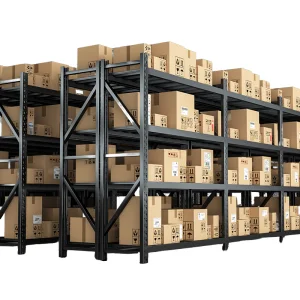
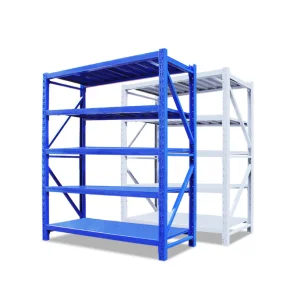
 Guichang Metal Racks