Engineered for structural safety, dimensional stability, and high-density inventory optimization across global supply chain networks.
Understading the structural shifts, material requirements, and supply-chain pressures shaping modern warehousing.
The global logistics and warehousing landscape is undergoing an unprecedented transformation. Real estate inflation, combined with the exponential growth of e-commerce and cold-chain distribution, has turned warehouse floor space into a premium asset. Consequently, enterprises are moving away from traditional, flat warehousing configurations toward high-density, vertical, and semi-automated storage systems. The selection of an industrial racking infrastructure is no longer merely a procurement task; it is a critical, structural engineering decision that directly affects supply chain throughput, workplace safety, and bottom-line operational ROI.
Globally, steel material specifications define the reliability of these structures. High-tensile carbon steel, specifically Q235B and Q355B grades, has emerged as the global benchmark due to its optimum balance of ductility, load capacity, and welding integrity. Furthermore, safety codes such as the Rack Manufacturers Institute (RMI) standards in North America and FEM 10.2.02 regulations in Europe mandate rigorous mechanical calculations to prevent catastrophic dynamic collapsing. As automated guided vehicles (AGVs) and autonomous mobile robots (AMRs) become standard components of modern warehouses, structural deflection tolerances have tightened significantly, demanding millimeter-level accuracy from manufacturers.
A deep dive into our manufacturing infrastructure, capacity data, and international supply-chain network.
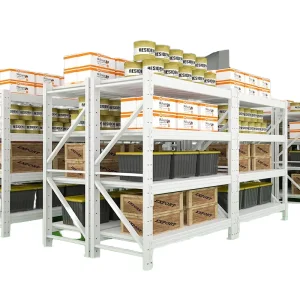
Established in 2016, Guangdong Guichang Metal Racks Trading Co., Ltd. has established itself as an engineering-centric industrial racking manufacturer. Operating out of our modern 18,500㎡ facility, we specialize in high-capacity pallet racking systems, multi-tier mezzanine configurations, and customized storage solutions. Our industrial footprint is designed to support high-tensile material throughput, allowing us to manage large-scale global structural projects from inception to containerized shipping.
With an annual export revenue of approximately USD 18 million and 8 years of dedicated export experience (complemented by 12 years of industry experience), Guichang Metal Racks understands the complex regulatory requirements of international construction projects. We implement strict quality control protocols: raw material testing, robotic welding inspection, advanced powder coating thickness verification, and structural load-bearing tests. Under the supervision of our 45 professional inspectors, we guarantee that every batch of upright frames, beams, and wire deckings matches the mechanical properties specified in structural drawings.
Analyzing raw material integration, manufacturing technology, and supply-chain efficiency.
Chinese racking manufacturers benefit from proximity to major steel clusters. Direct supply contracts for certified Q235B and Q355B steel plates allow us to secure competitive pricing while maintaining mechanical property standards, shielding international buyers from market volatility.
By utilizing continuous rolling mills and robotic welding systems, we guarantee high dimensional consistency. This structural accuracy is crucial for automated storage and retrieval systems (AS/RS), where tight tolerances prevent operational downtime.
With a stable supply chain network containing over 850 strategic partners, we manage the complete shipping lifecycle. Components are packed flat using high-density protective wrap to optimize container utilization rates, reducing international freight costs per metric ton.
Transparent visualization of our production pipeline from structural design to heavy machinery and final packing.
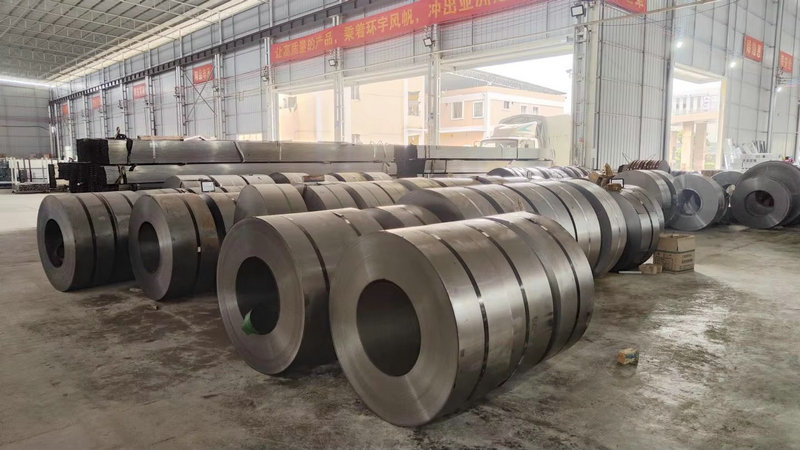
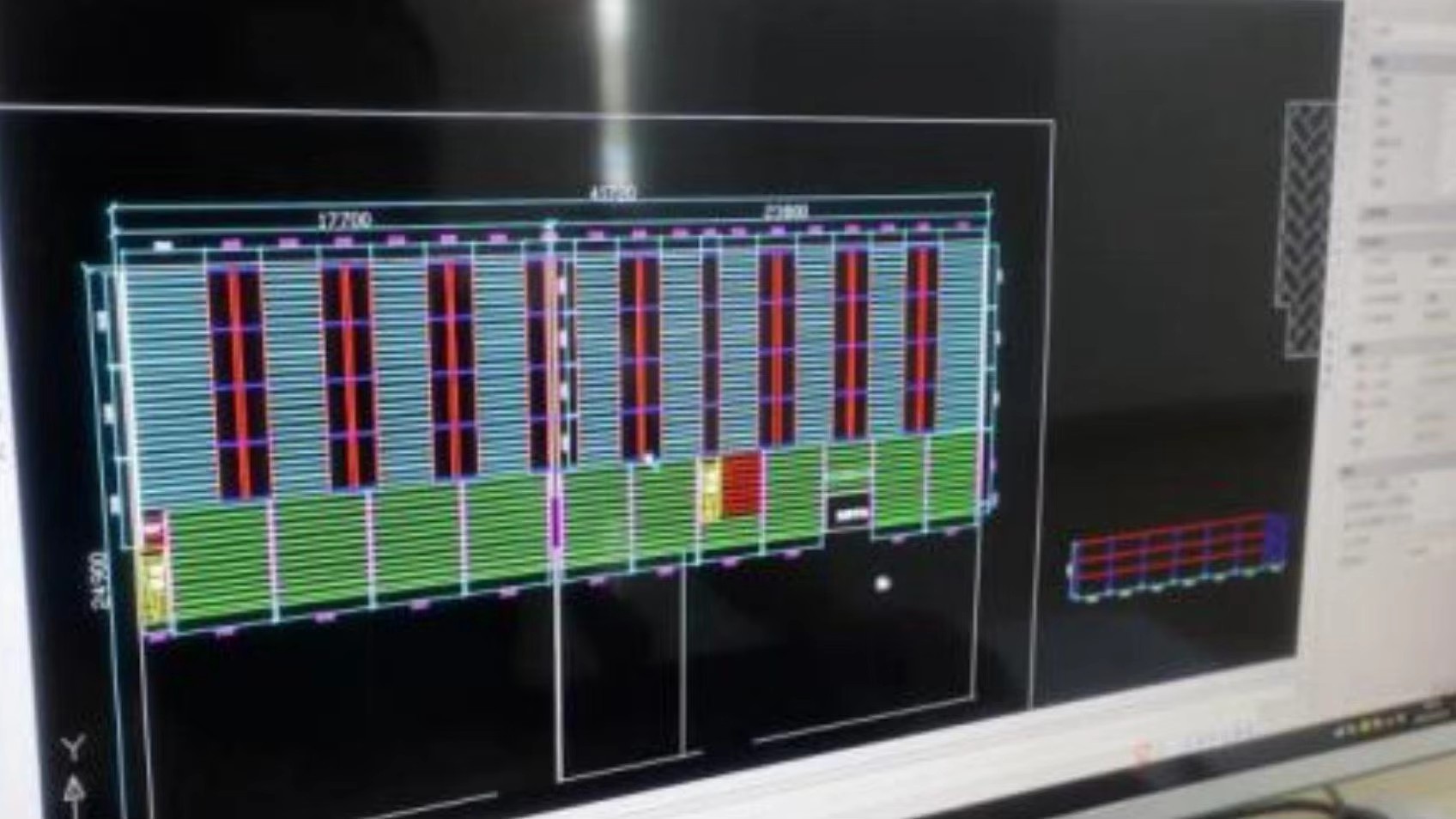
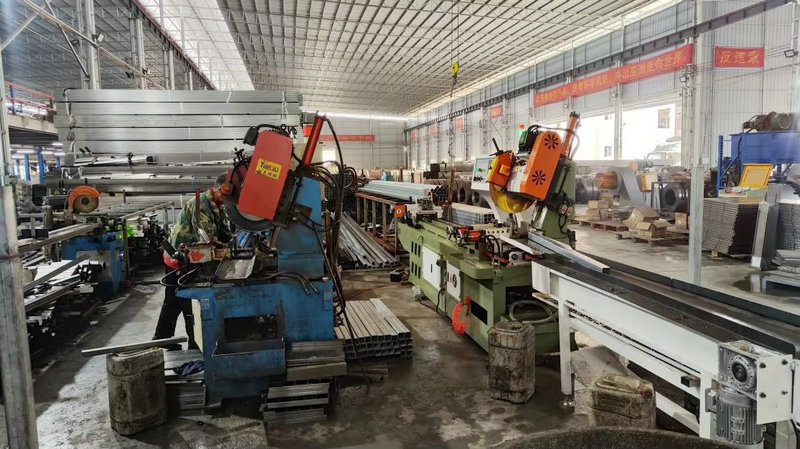
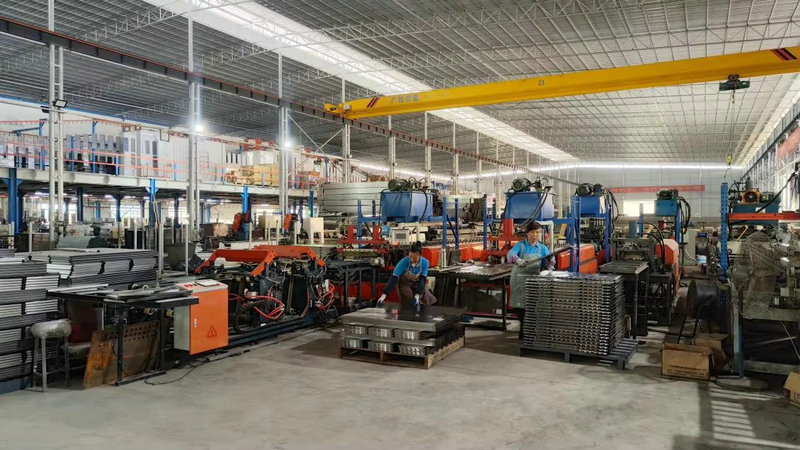
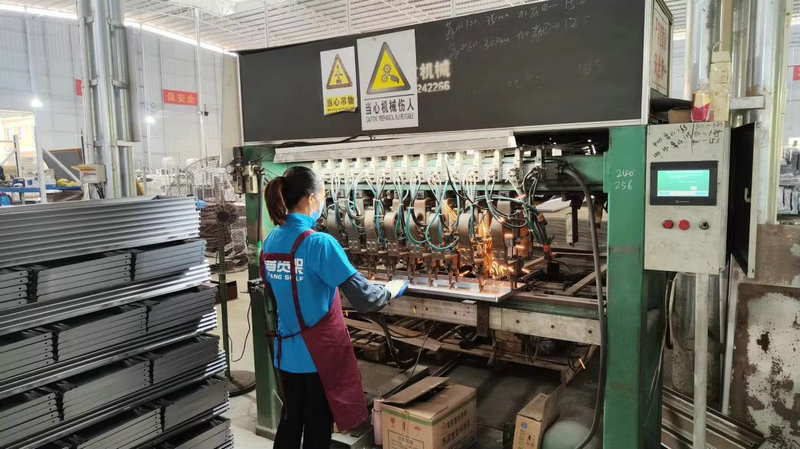
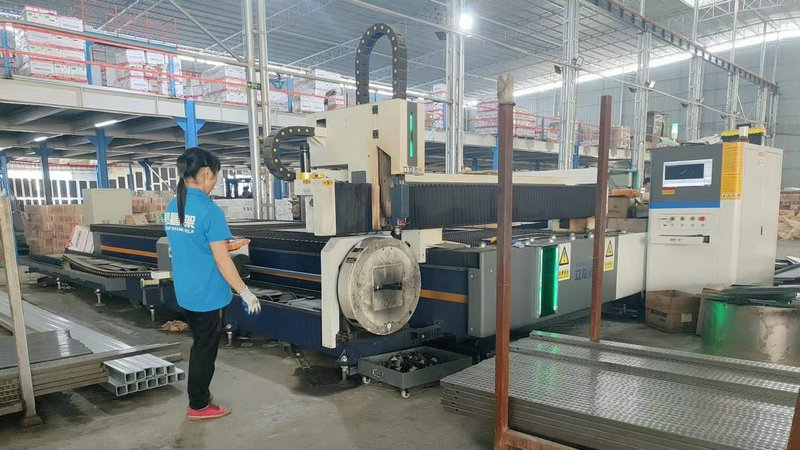
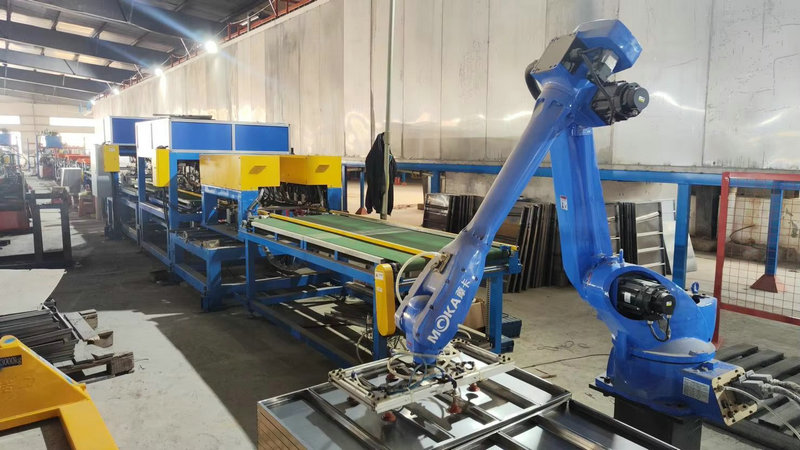
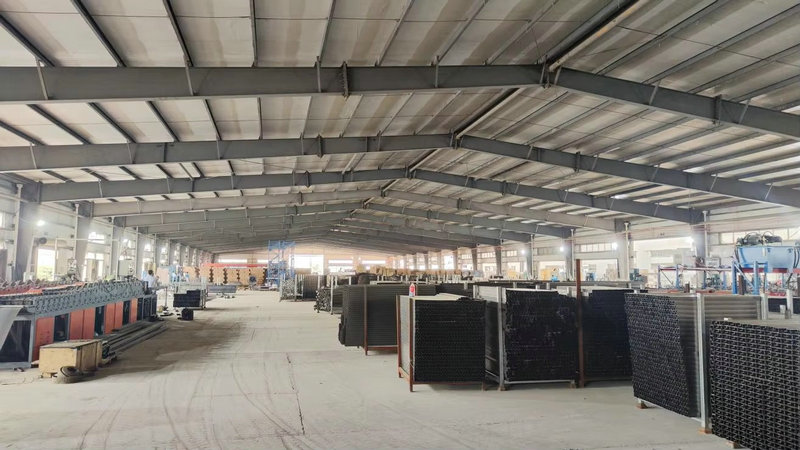
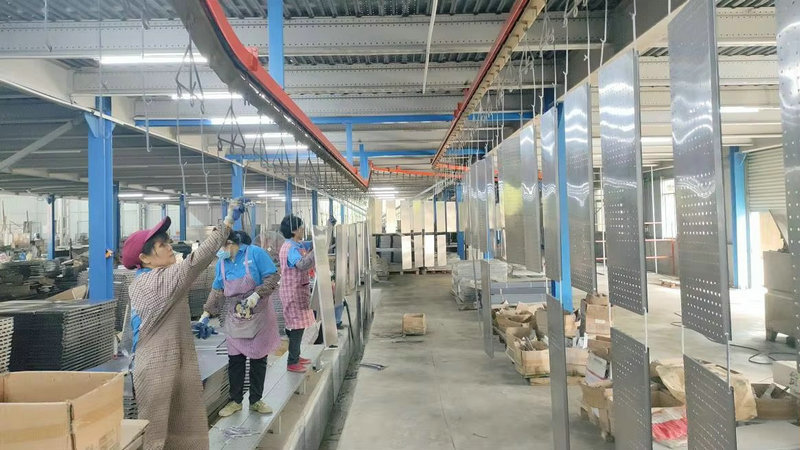
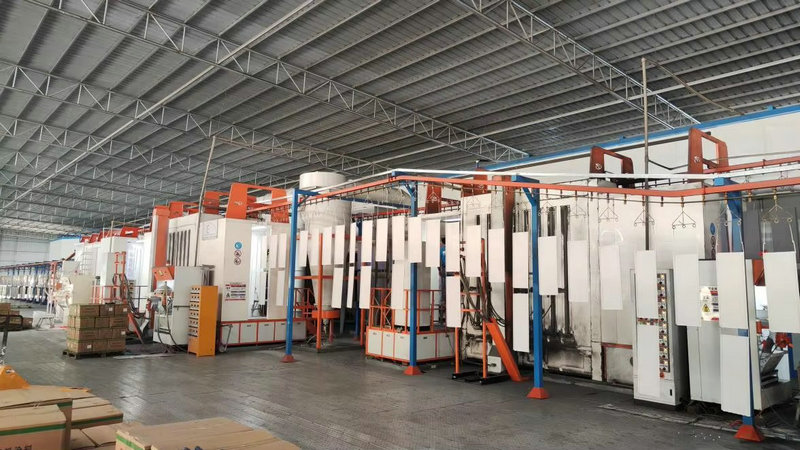
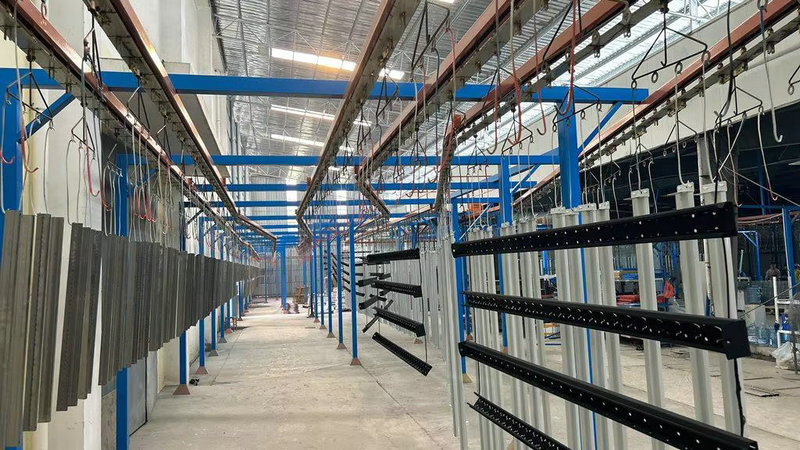
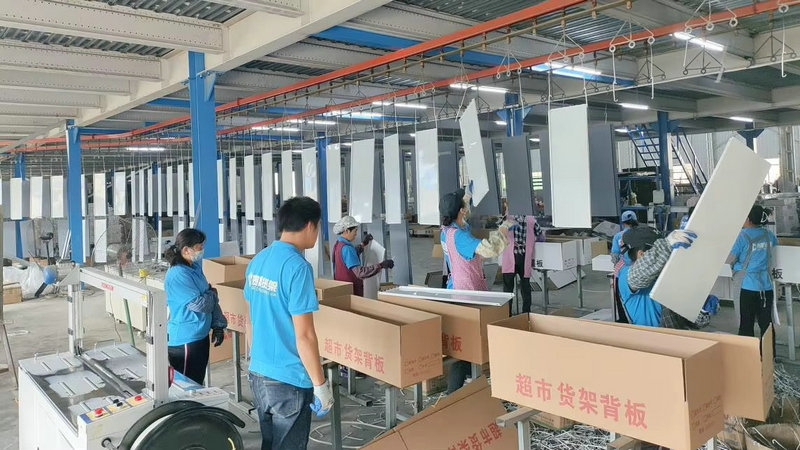
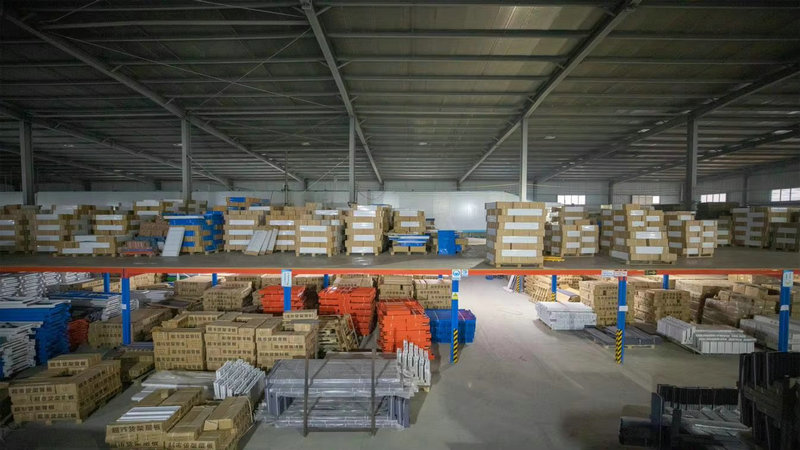
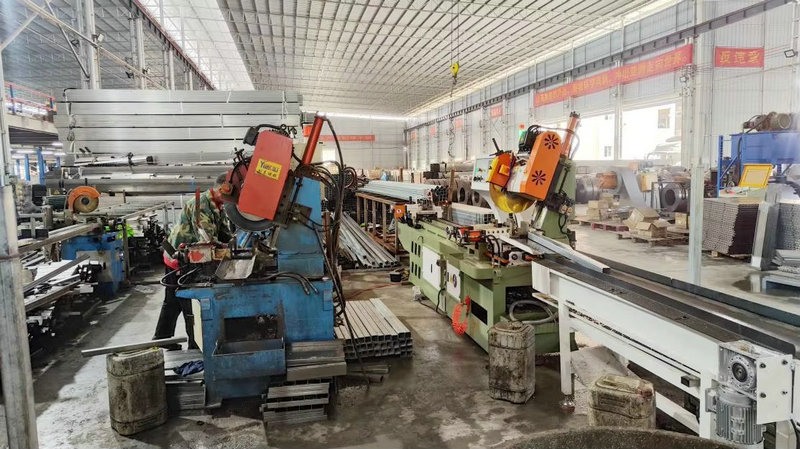
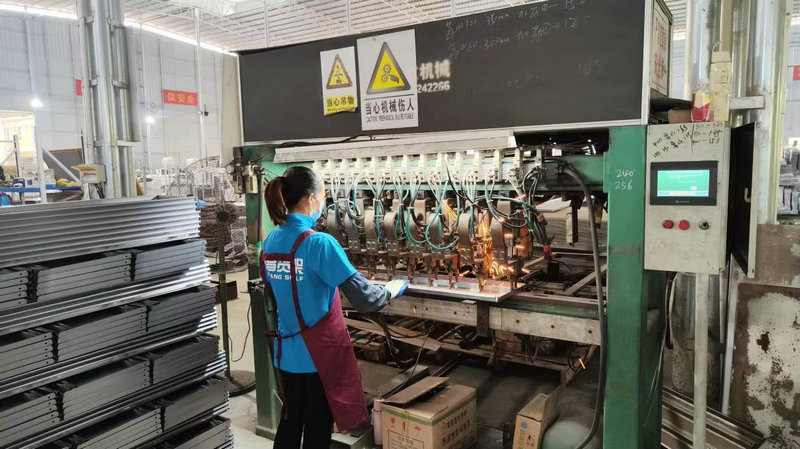
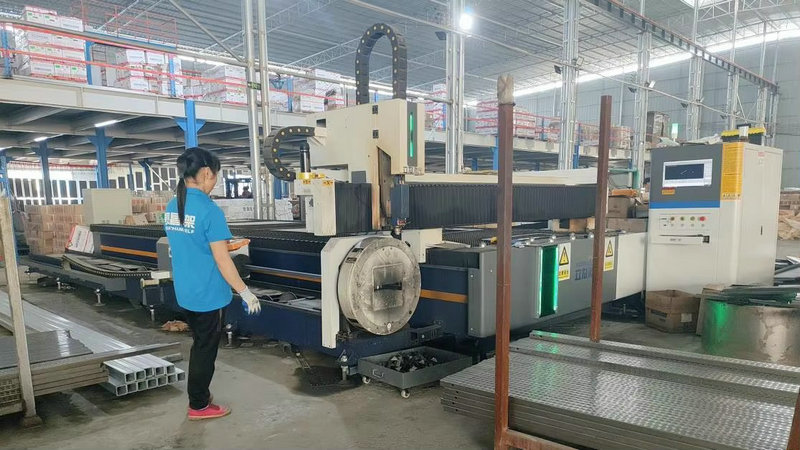
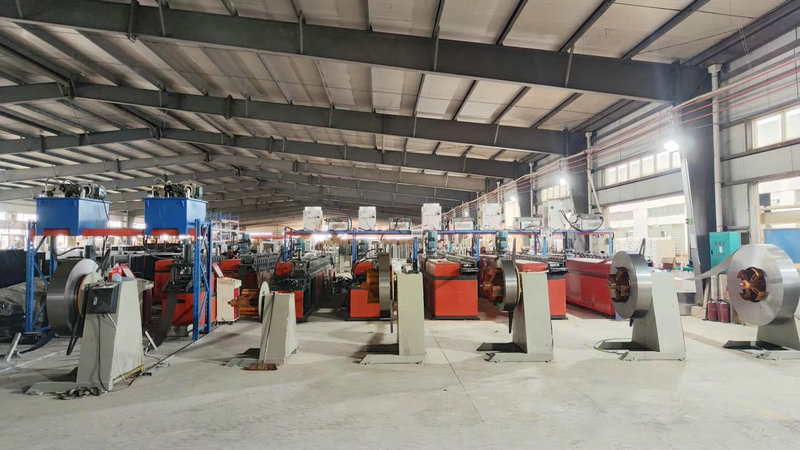
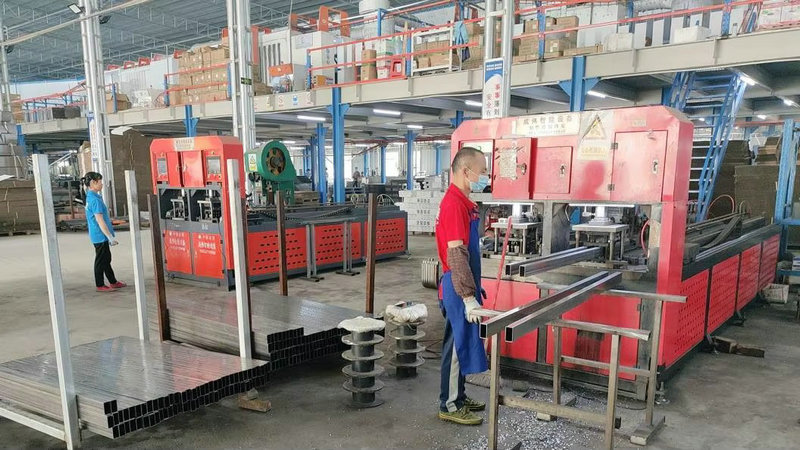
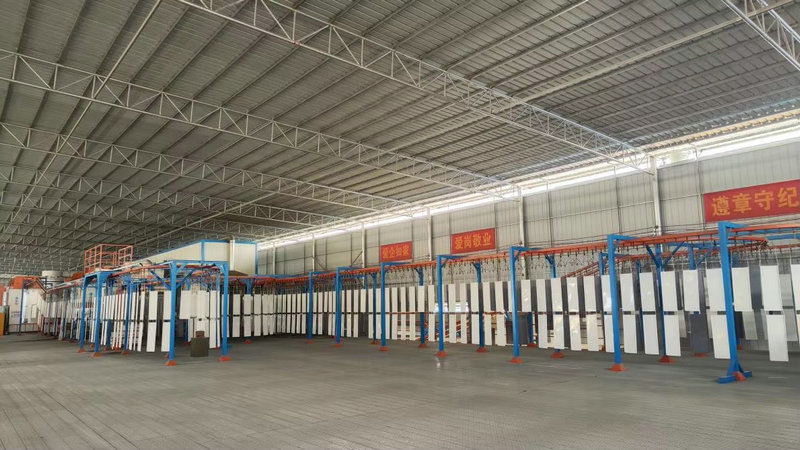
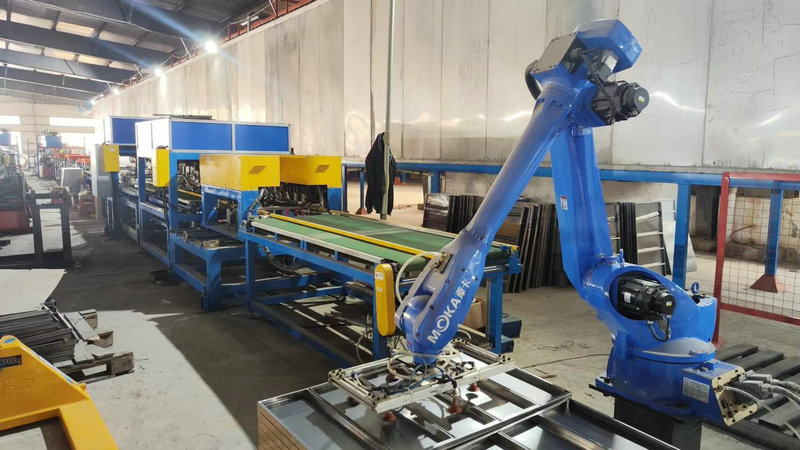
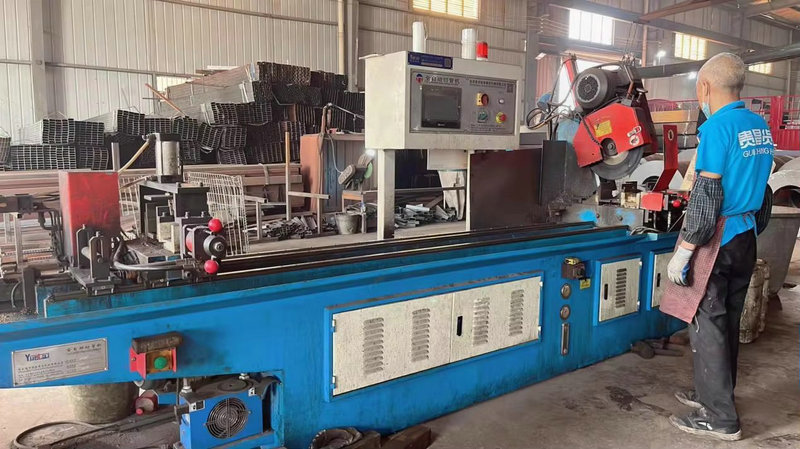
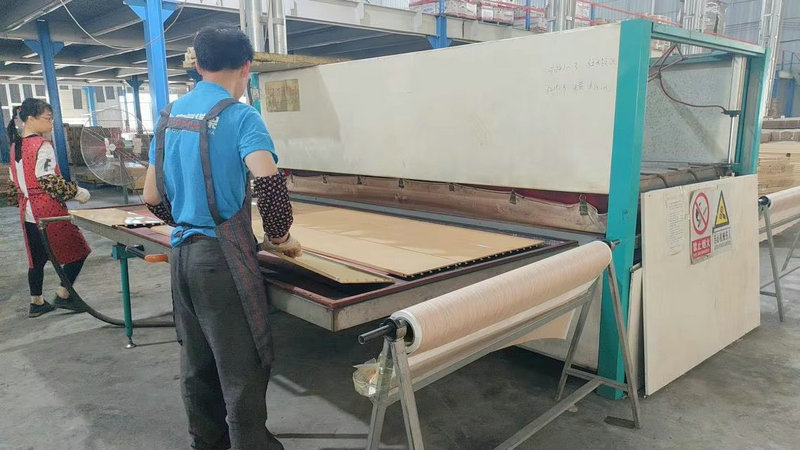
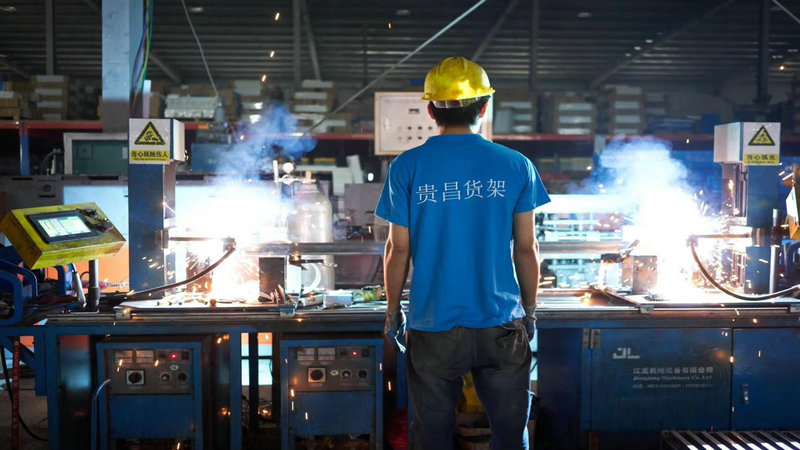
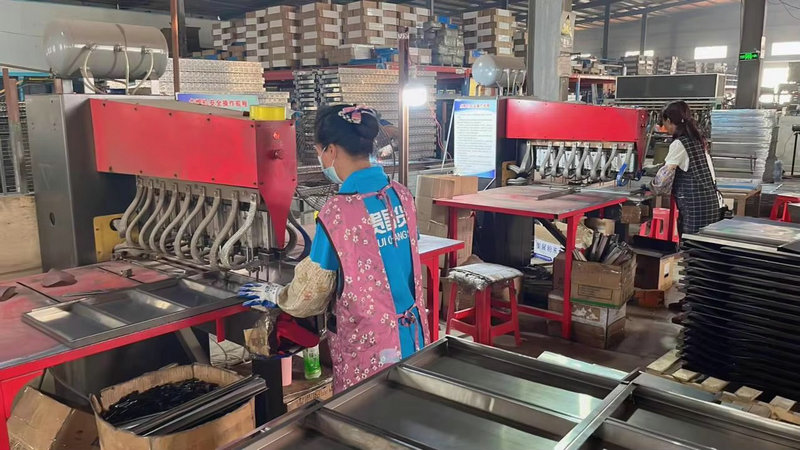
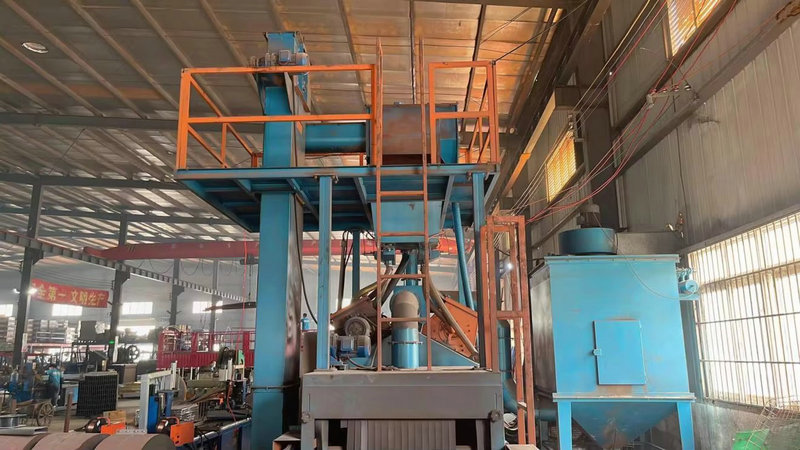
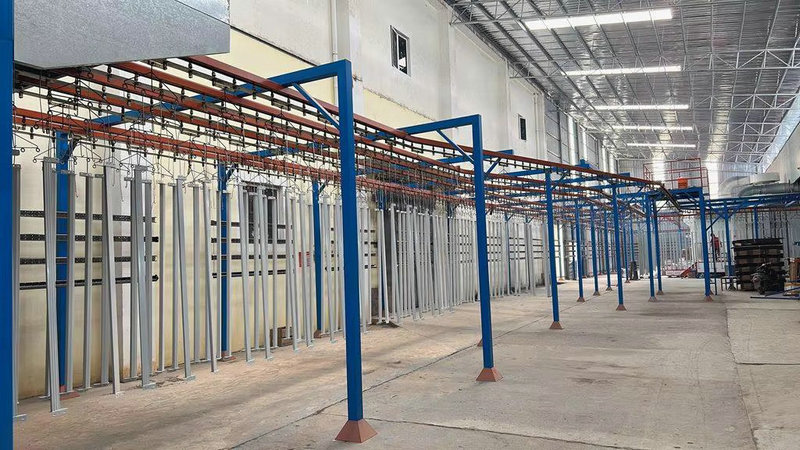
Tailoring structural solutions to cold-chain logistics, e-commerce, and heavy industrial operations.
Different industrial operations demand specific properties from their structural steel racking. In cold-chain distribution centers (typically operating at sub-zero environments down to -30°C), traditional carbon steel is prone to embrittlement, increasing the risk of structural failure. To prevent this, we specify low-temperature-grade steel configurations treated with specialty elastic powder coatings, ensuring structural stability under persistent thermal shock.
In contrast, e-commerce fulfillment centers prioritize rapid sorting and dynamic SKU access. These configurations require dense multi-tier pick modules integrated with integrated wire mesh decks to meet fire suppression laws, allowing sprinkler water penetration. Heavy-duty industrial manufacturing warehouses require racking that can handle localized point loads from tooling dies and heavy raw castings. By calculating localized stresses on support frames and baseplates, our R&D department (comprising 18 professional engineers) optimizes steel profiles to distribute load stresses evenly, preventing anchoring failure.
| Application Scenario | Primary Challenge | Recommended Racking Specification | Safety Compliance Metrics |
|---|---|---|---|
| Cold Storage & Freezers | Low-temperature steel embrittlement | Q345D/Q355D steel + Epoxy-polyester powder coat | EN 15512 Structural Deflection limits |
| E-commerce Fulfillment | High SKU variety & continuous loading cycles | Multi-tier mezzanine & pick modules + wire decking | RMI Standard MH16.1 compliant |
| Heavy Industrial Tooling | Extreme localized structural point loads | Heavy-duty roll-formed / structural channel pallet racks | AWS D1.1 structural welding code |
| Supermarket & Retail backrooms | Frequent manual picking & variable item sizes | Adjustable boltless racking & light-duty shelving | ISO 9001 Manufacturing safety margin |
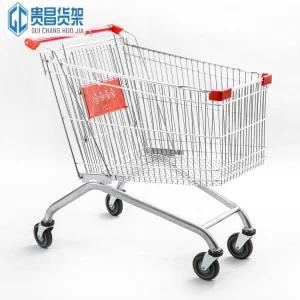
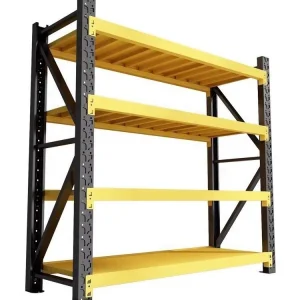
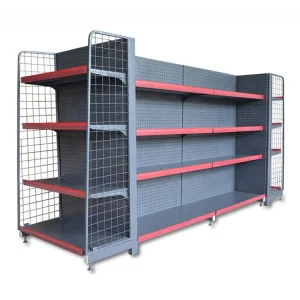
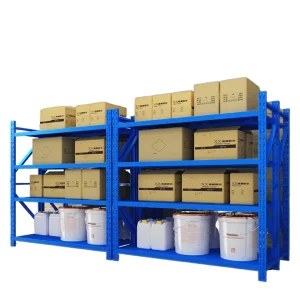
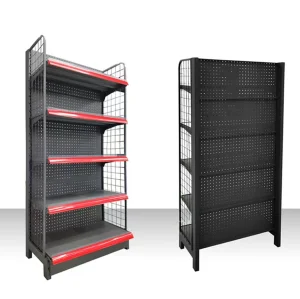
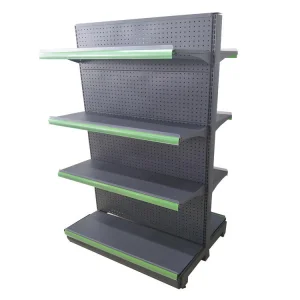
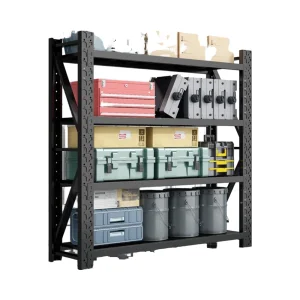
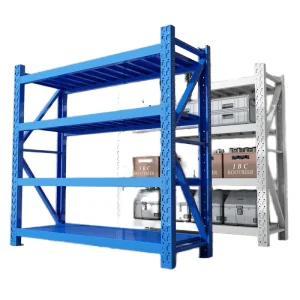
Explore our specialized commercial metal shelving units designed for high-density logistics storage and retail display.
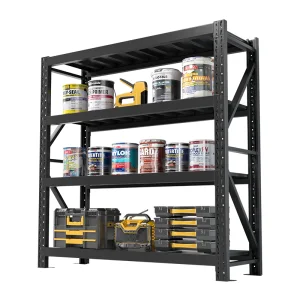
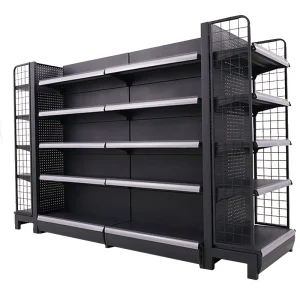
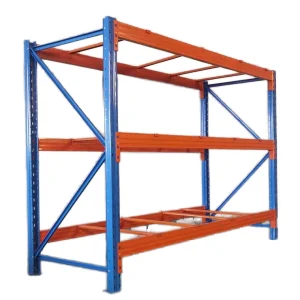
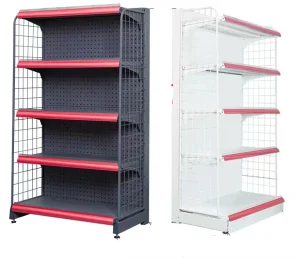
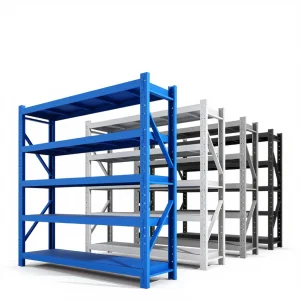
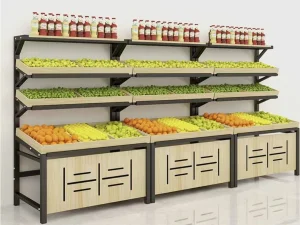
Critical validation metrics for sourcing departments and engineering contractors.
When procurement managers purchase industrial racking systems from global factories, looking at the cost per position alone can lead to structural failures or delays. Ensuring long-term safety and compliance requires a structured evaluation of key design factors:
Get expert engineering answers to common technical queries about industrial warehouse racking procurement.
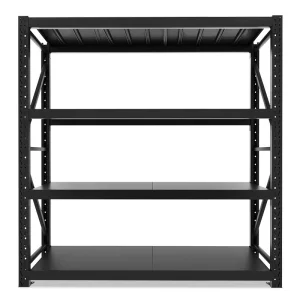
Roll-formed steel is manufactured by cold-rolling thin steel sheets into custom shapes, making it cost-effective and highly adjustable for standard warehousing. Structural channel steel is hot-rolled, featuring thick corners that offer superior impact resistance. We recommend structural channel steel for high-impact environments, like forklift-heavy drives, and roll-formed steel for general selective pallet layouts.
Guichang complies strictly with ISO 9001 quality management guidelines. Our structural designs reference North American RMI standards and European FEM 10.2.02 racking standards. Every order undergoes load-bearing stress evaluations, dimensional verification, and powder coating adhesion tests supervised by our 45-person QC inspection team before dispatch.
Yes. Our engineering department (comprising 18 professional engineers) designs custom racking configurations based on site-specific seismic accelerations. By adjusting upright profiles, horizontal bracing, and adding heavy-duty seismic baseplates, we ensure the structural safety of installations located in active seismic zones.
We pack upright frames and beams flat on custom wooden pallets to maximize container space utilization. A typical 40-foot high cube (40HC) container carries approximately 20 to 22 metric tons of racking, depending on regional road weight limits. Flat packing also minimizes components shifting during sea transit.
We provide a 5-year structural warranty on all heavy-duty structural steel products, assuming operational loading stays within designed limits. This warranty covers weld integrity, surface treatment peeling, and component structural deformation under normal warehouse operating conditions.
 Guichang Metal Racks