High-performance warehouse racking, supermarket display components, and customized material handling equipment manufactured to strict international quality standards.
Analyzing spatial optimization, supply chain volatility, and infrastructure investments in modern enterprise logistics.
The rapid rise of global e-commerce, combined with modern just-in-case inventory strategies, has pushed industrial storage systems to their limits. Modern warehouses are no longer just static holding spaces; they are dynamic fulfillment hubs where throughput speed, safety, and spatial density must coexist. As a result, standard storage racks often fail to meet the unique structural requirements of modern facilities.
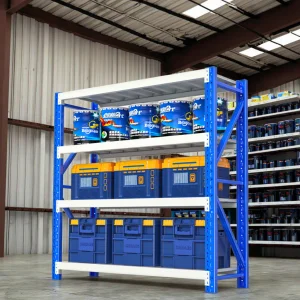
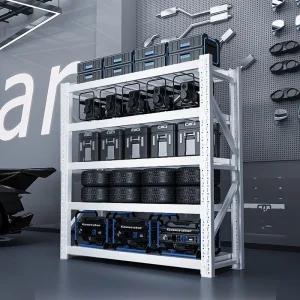
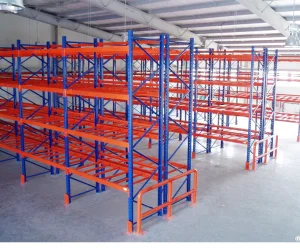
Custom racking solutions solve this problem by adapting to the exact layout, load specifications, and automation systems of a warehouse. High-performance custom rack manufacturing requires advanced metallurgical design, precise automated welding, and specialized surface treatments to withstand heavy use and seismic demands. Global enterprises now seek suppliers capable of balancing engineering precision with scalable manufacturing capacity.
By adjusting vertical dimensions and choosing appropriate frame designs (such as Drive-in, VNA, or Push-back racking), operations can increase storage density by up to 65% without expanding their warehouse footprint.
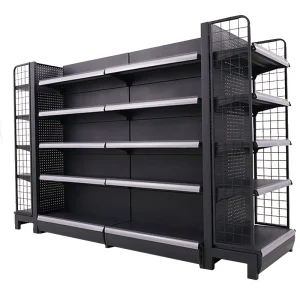
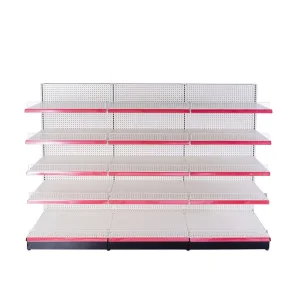
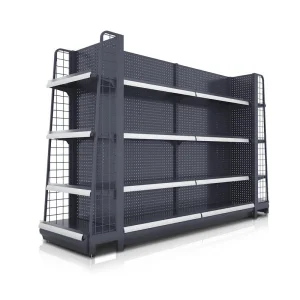
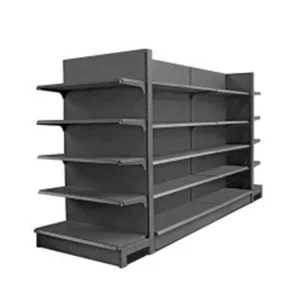
Concurrently, commercial retail environments demand customized display racking (Gondolas) that seamlessly bridges aesthetic appeal with structural load capabilities. Supermarkets, hypermarkets, and specialty stores require modular, double-sided, and powder-coated steel racking designed to optimize the consumer shopping path while remaining highly wear-resistant.
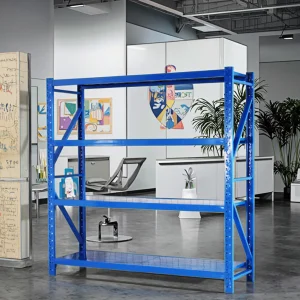
Whether it is heavy-duty industrial pallet racking designed to support loads over 4,000 kg per level, or modular grocery store shelves, selecting the right global supplier is critical to ensuring structural safety, regulatory compliance, and a strong return on investment.
To guide procurement officers and supply chain directors, this whitepaper evaluates the critical metrics for selecting a custom racking manufacturer, including engineering expertise, QA testing protocols, automated production capabilities, and global supply chain resilience.
Key metrics and specifications B2B buyers must evaluate to ensure safety, durability, and operational compliance.
Industrial racks require high-tensile structural steel (typically cold-rolled steel like Q235B or Q355). High-quality steel ensures predictable structural performance under load. Procurement teams must request certified mill test reports (MTR) to verify the steel's chemical composition and yield strength, preventing sudden structural failures.
Different markets require compliance with specific international codes. In Europe, racks must meet EN 15512 and CE standards; in the United States, they must adhere to RMI (Rack Manufacturers Institute) and ANSI specifications. Quality suppliers undergo third-party auditing to verify their static structural calculations and product safety margins.
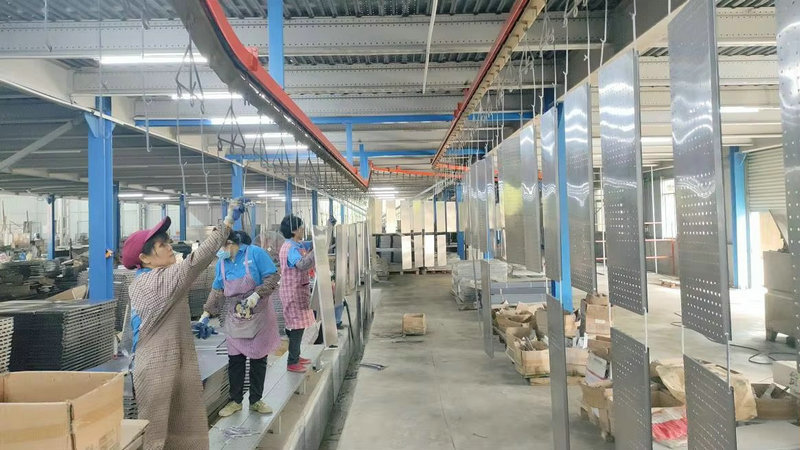
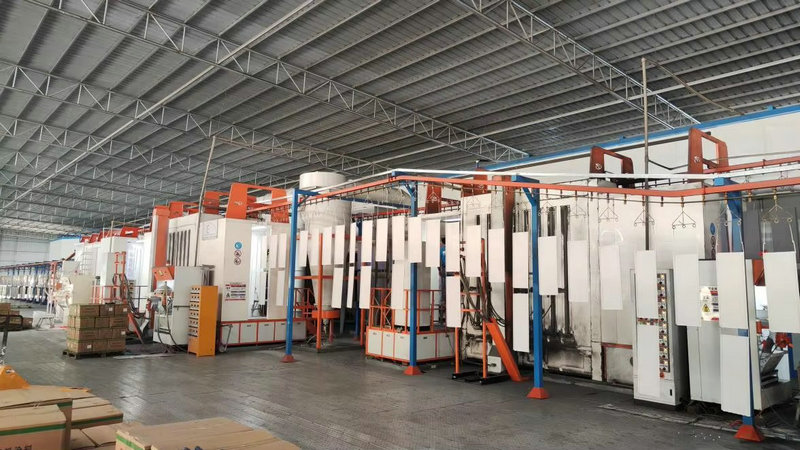
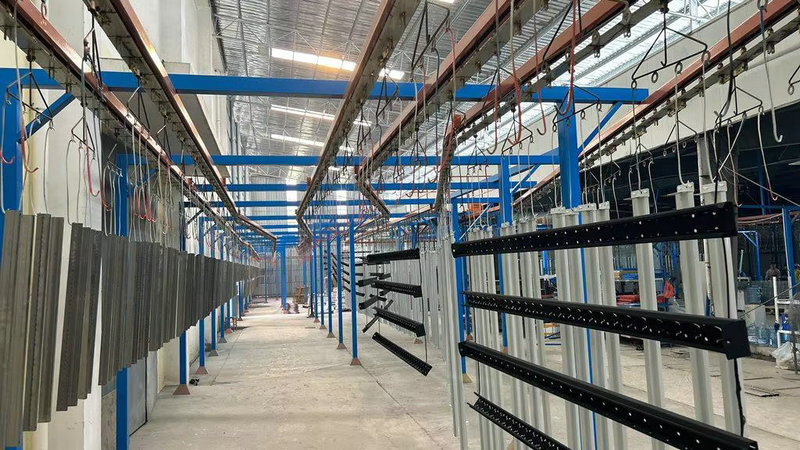
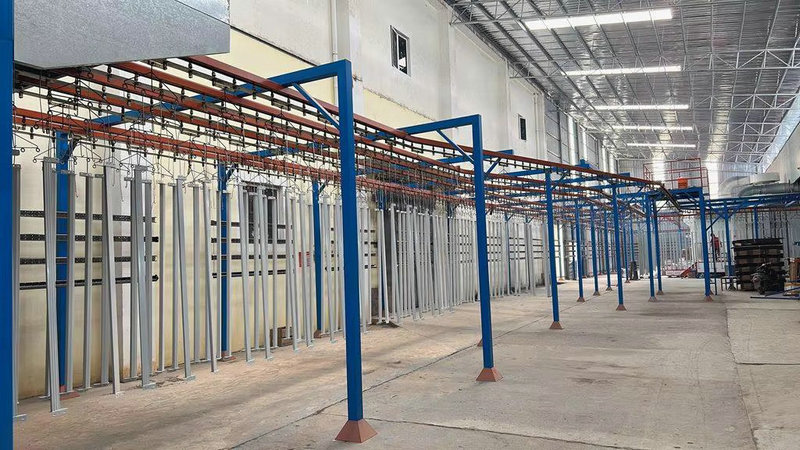
Racks are exposed to humidity, temperature swings (especially in cold storage), and mechanical wear from forklifts. Advanced epoxy powder coating systems, applied via multi-stage automatic electrostatic lines, ensure minimum coating thickness (60–80 microns), preventing rust and corrosion over years of intensive use.
Innovations in automation compatibility, green logistics, and structural modularity driving the market forward.
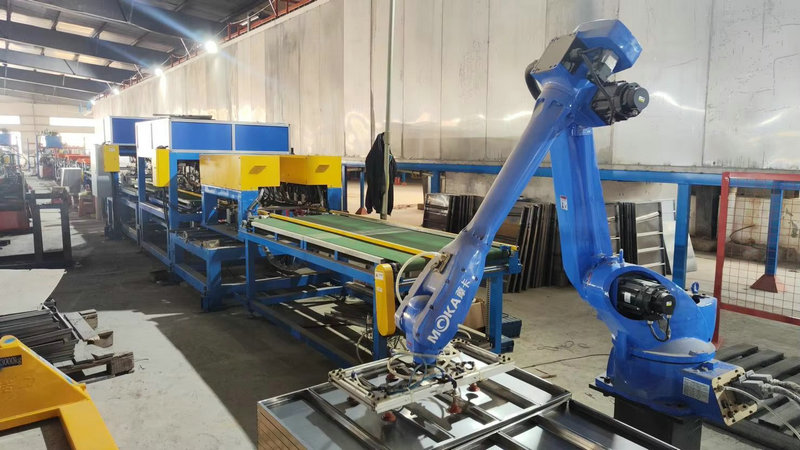
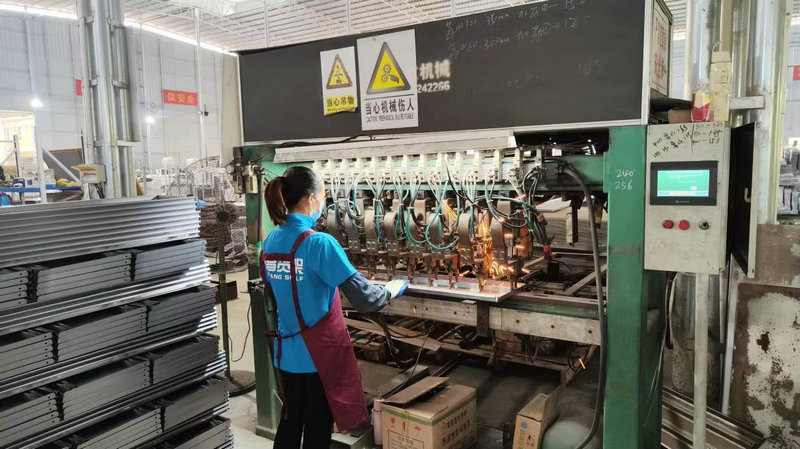
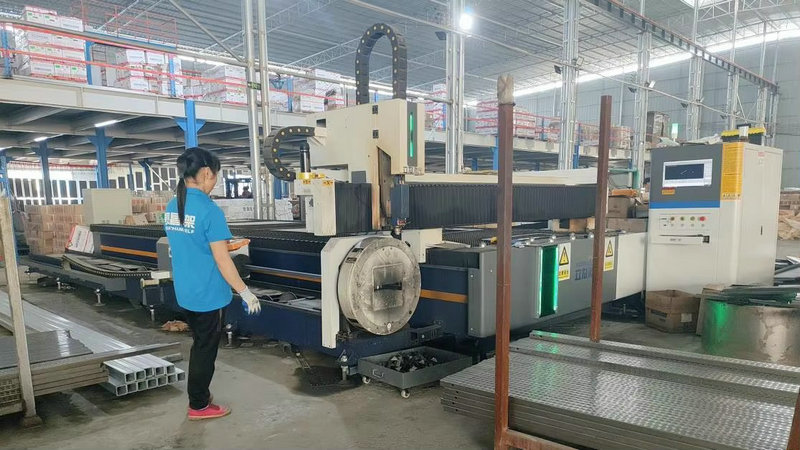
Modern logistics depends heavily on automated storage and retrieval systems (AS/RS), automated guided vehicles (AGVs), and shuttle cars. Unlike static storage, these automated setups require tighter manufacturing tolerances (often within ±1mm). Custom rack suppliers must use high-precision robotic welding and CNC profiling to guarantee seamless system integration.
Global carbon reduction targets are reshaping the heavy machinery and steel fabrication industries. Manufacturers are adopting eco-friendly pre-treatment systems that eliminate heavy metals, alongside VOC-free powder coatings. Additionally, energy-efficient curing ovens help lower the environmental footprint of large-scale manufacturing projects.
As retail business models and package sizes shift, storage setups must adapt quickly. Modular shelving and adjustable teardrop-connection rack systems allow users to reconfigure beam heights without specialized tools. This adaptability helps warehouse operators handle shifting inventory profiles without buying completely new racks.
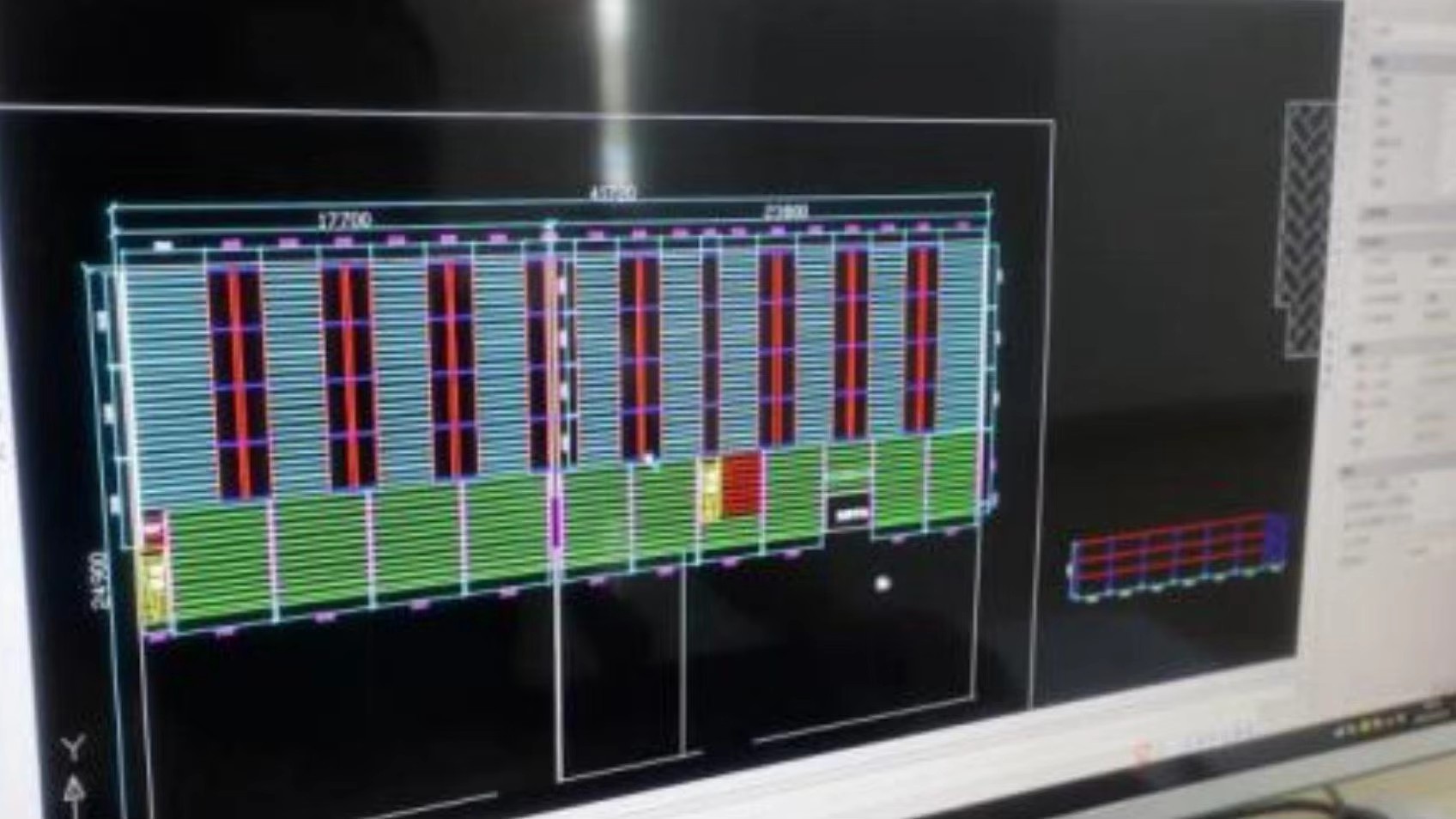
Advanced engineering departments now rely on FEA software to model stress, strain, and buckling behaviors under custom configurations. This lets designers optimize steel thickness and profile designs, saving material weight while maintaining full load-bearing capacities and seismic safety ratings.
Case Study: Guangdong Guichang Metal Racks Trading Co., Ltd. — Delivering engineering-grade industrial storage solutions globally.
China's racking industry has evolved from basic metal fabrication to advanced Factory 4.0 production, combining automation, strict quality control, and deep global logistics integration. Leading this shift is Guangdong Guichang Metal Racks Trading Co., Ltd., a professional manufacturer specializing in design, production, and supply of global warehouse storage solutions.
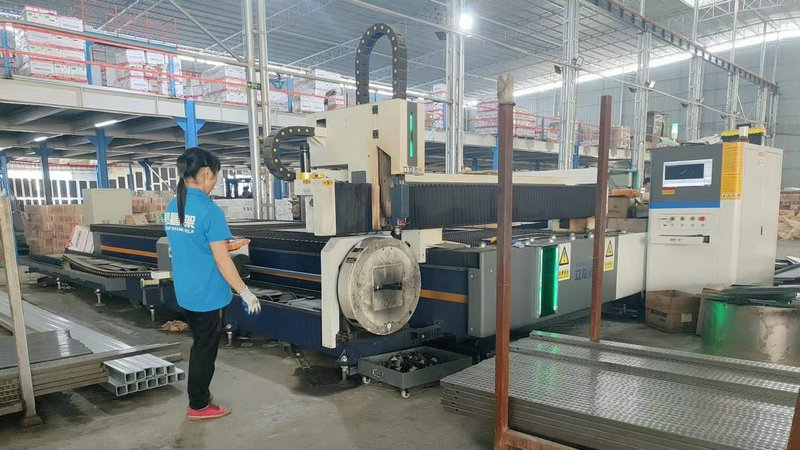
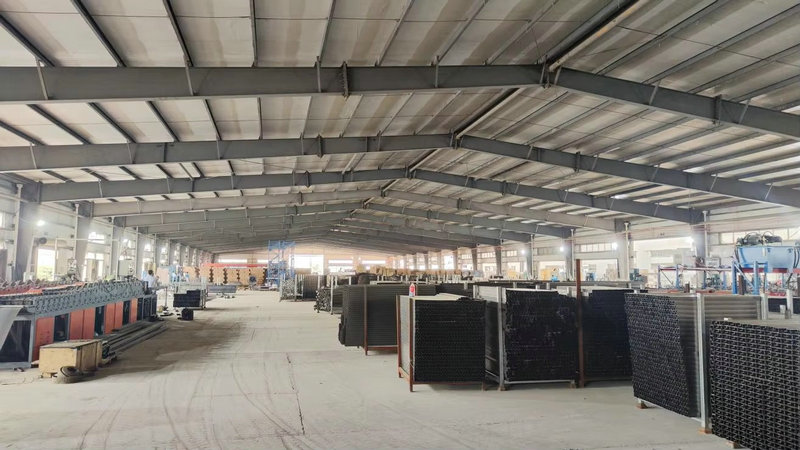
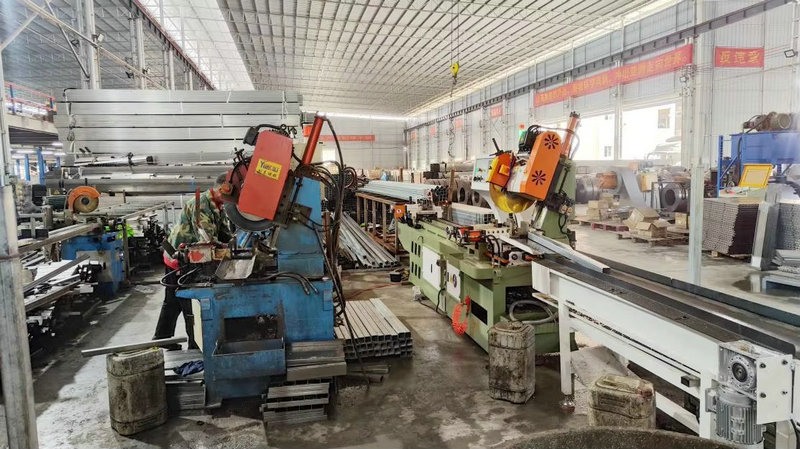
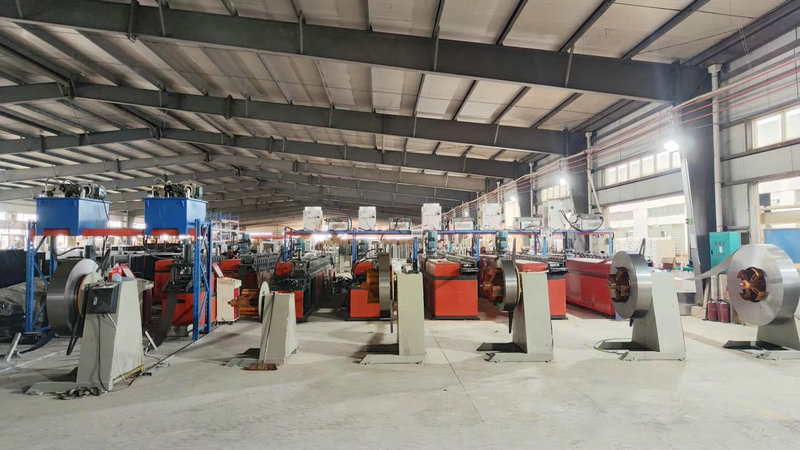
Established in 2016, Guichang operates a modern 18,500㎡ facility equipped with automated production lines, laser cutters, and robotic welders. With 12 years of industry experience and 8 years of export history, the company manages an annual export revenue of approximately USD 18 million, serving logistics hubs, supermarket chains, and distributors worldwide.
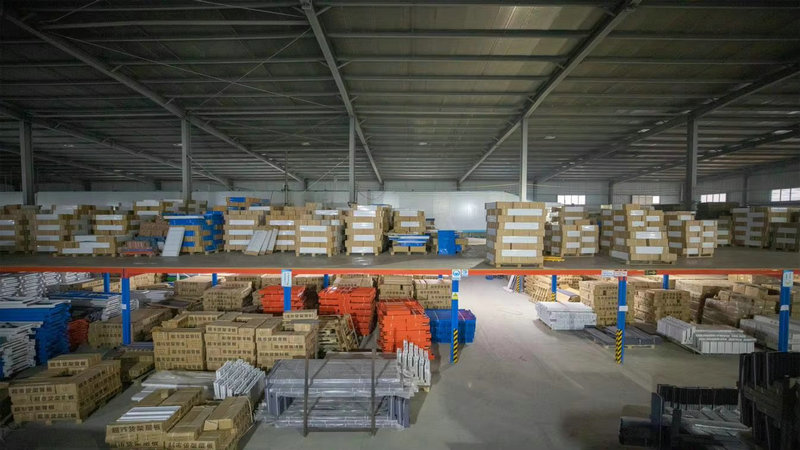
A key advantage of Guichang’s Factory 4.0 model is its integrated supply chain. Partnering with over 850 strategic suppliers, the company secures high-quality raw materials at competitive rates and maintains production schedules even during global logistics bottlenecks. This supply network ensures consistent quality from raw steel to finished powder-coated systems.
"Our manufacturing approach focuses on combining strict ISO 9001:2015 quality standards with custom flexibility. This allows us to supply both standard pallet racks and highly customized systems that meet strict international structural codes."
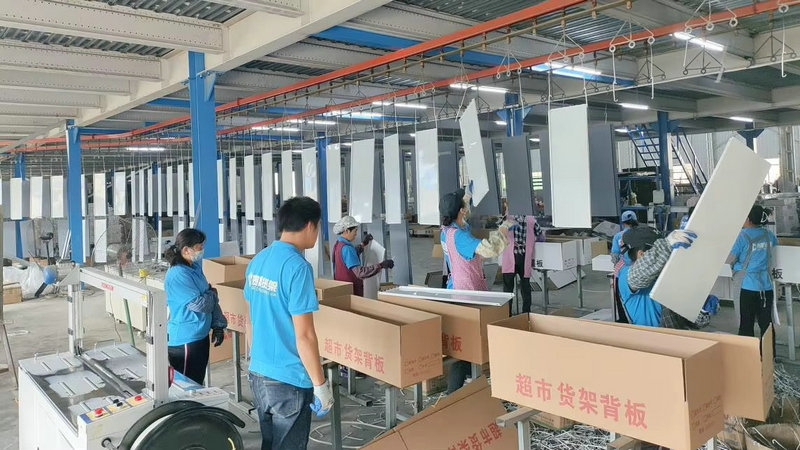
To ensure high structural reliability, Guichang uses a multi-tier quality control framework monitored by 45 professional quality inspectors:
Supported by 18 professional engineers, Guichang's R&D team designs custom warehouse configurations and accessories. The team launched 320 new products last year alone, keeping pace with changing global demand.
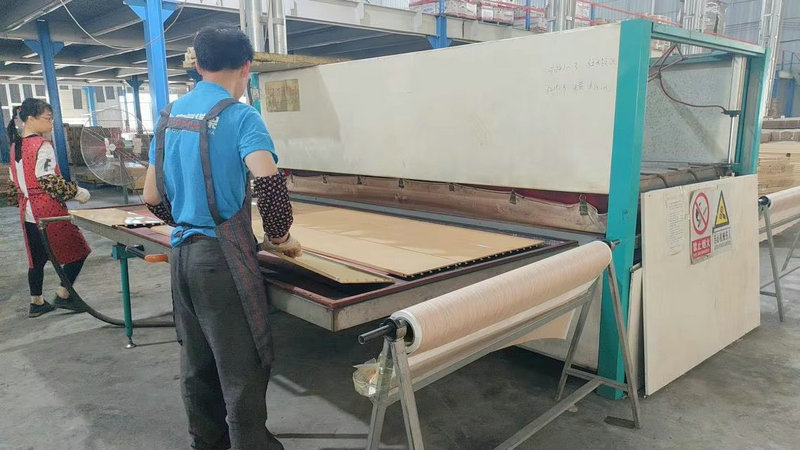
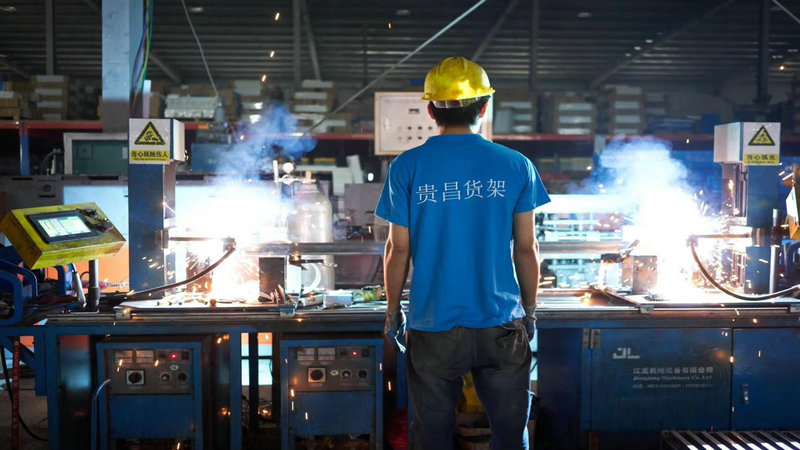
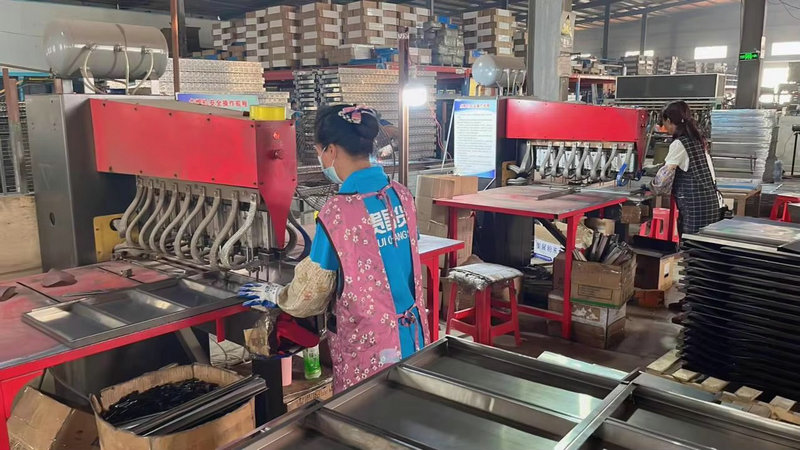
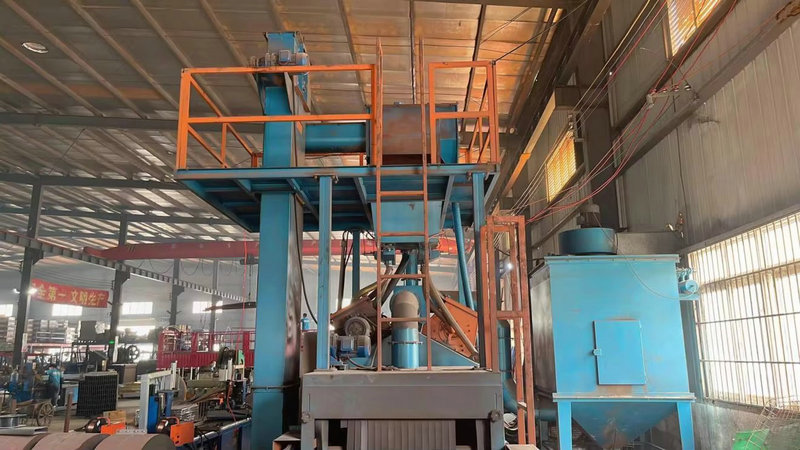
Inside our Factory 4.0 ecosystem: How raw high-grade steel is transformed into globally certified racking systems.
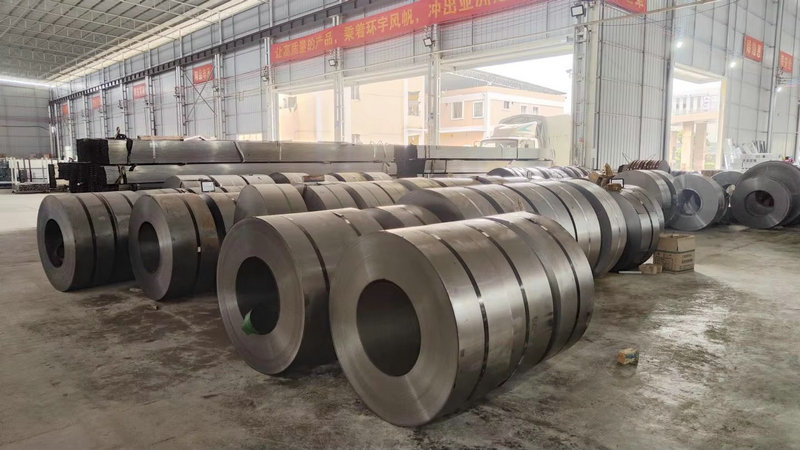
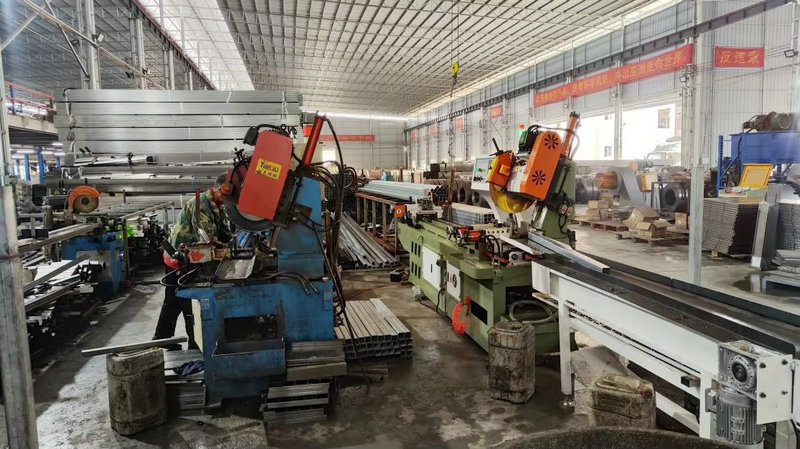
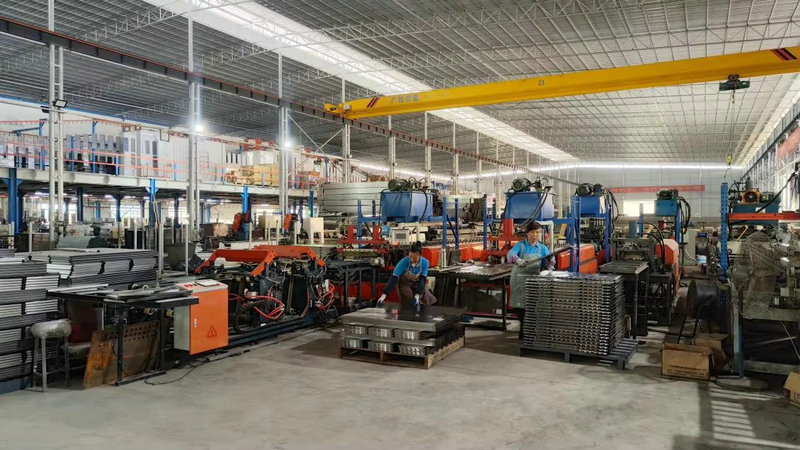
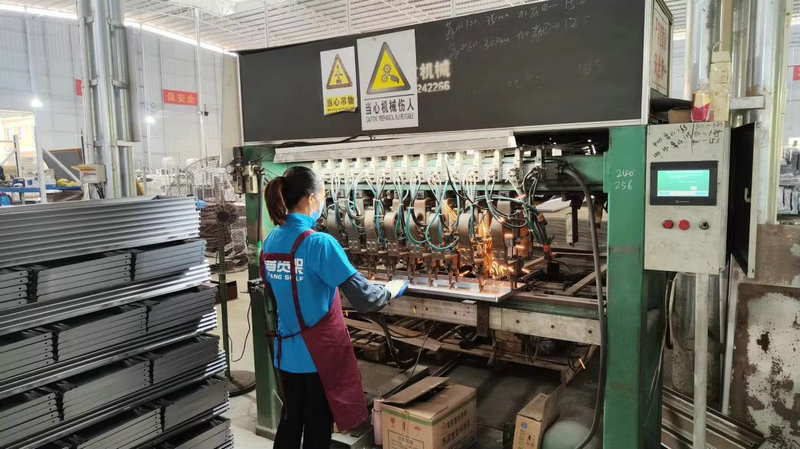
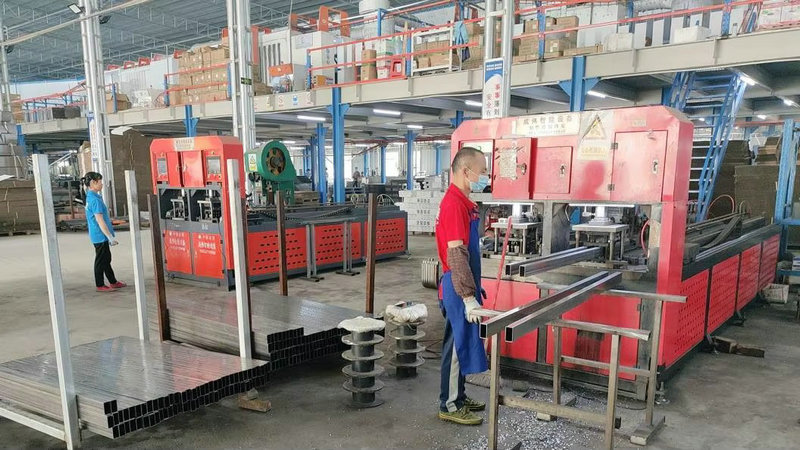
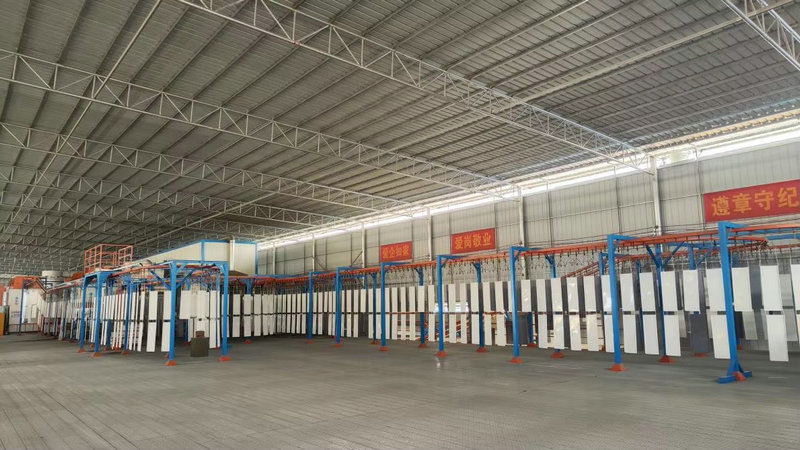
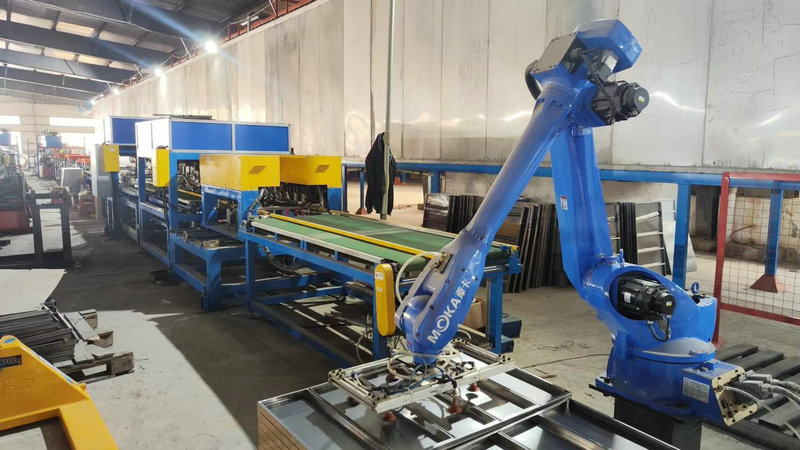
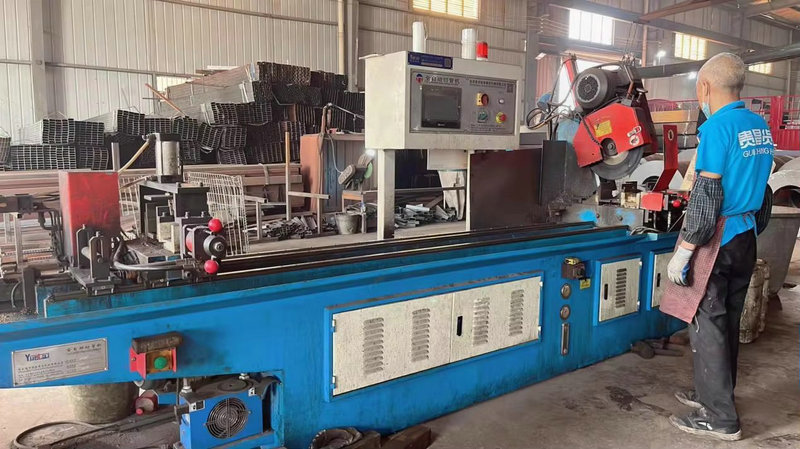
Evaluating how customized racking configurations are engineered to meet specific industry and regulatory demands.
Third-party logistics (3PL) providers require versatile storage systems to accommodate varying client inventory profiles. The optimal setup combines heavy-duty selective pallet racks for high-volume items with modular, adjustable shelving for smaller, high-velocity goods. This allows operations to scale without replacing the core racking footprint.
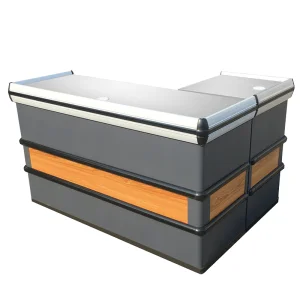
Modern retail displays must balance structural strength with aesthetic appeal. Double-sided commercial gondola shelves, built with cold-rolled steel, provide the necessary load capacity for heavy inventory. When combined with customizable checkout counters, these systems help guide foot traffic and improve retail sales density.
Cold storage and blast freezing environments require materials that resist embrittlement and corrosion. Drive-in or mobile racking systems, finished with low-temperature powder coatings, maximize storage density and airflow. This setup improves energy efficiency and reduces refrigeration costs in temperature-controlled warehouses.
How B2B procurement managers select and audit suppliers for large-scale storage projects.
When choosing a custom racking supplier, procurement teams must look beyond unit price to evaluate the total cost of ownership (TCO) and long-term safety. A detailed evaluation should analyze the following key metrics:
Additionally, physical auditing of the manufacturing plant is critical. Key areas to inspect include the automated steel profiling lines, the robotic welding setups (checking for weld consistency and spatter management), and the pre-treatment stages of the powder coating line. The pre-treatment process is essential for ensuring long-term adhesion and rust prevention.
By choosing a supplier that meets international quality standards like ISO 9001 and CE, global enterprises can lower project execution risks, ensure compliance with local safety regulations, and establish a reliable supply chain partner.
Expert answers to common technical, structural, and logistical questions about custom racking systems.
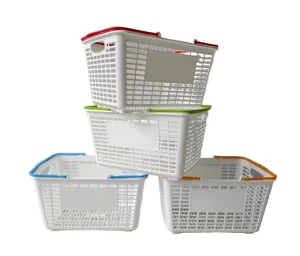
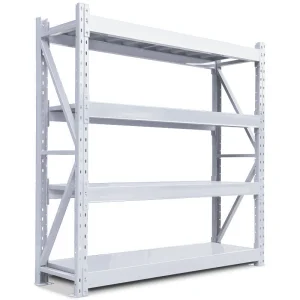
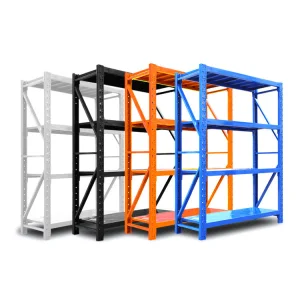
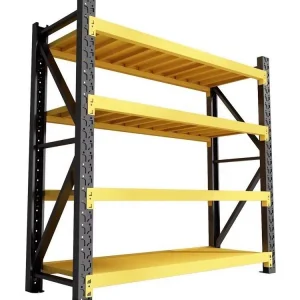
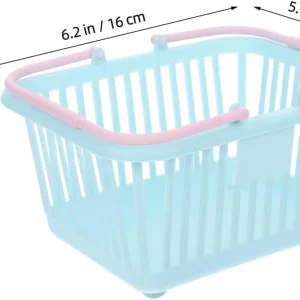
Complete catalog of modular warehouse storage racking, retail organizers, and warehouse shelving units.
 Guichang Metal Racks