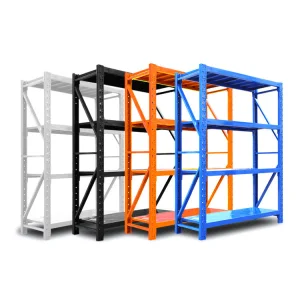
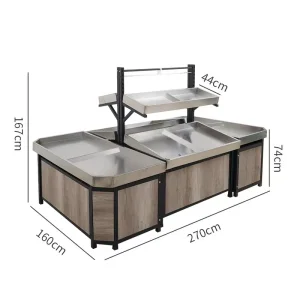
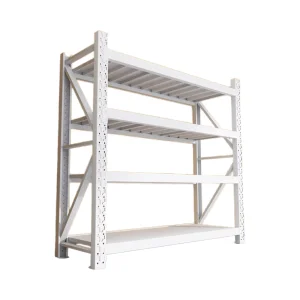
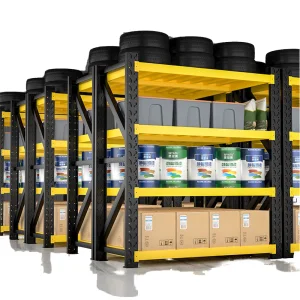
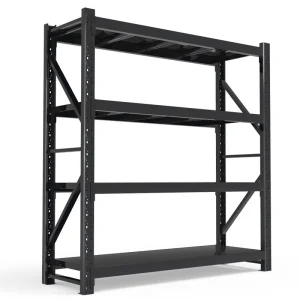
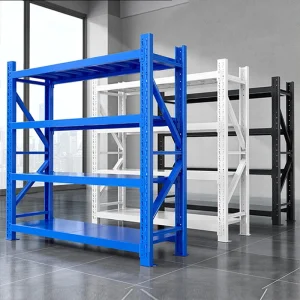
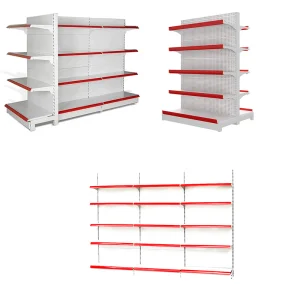
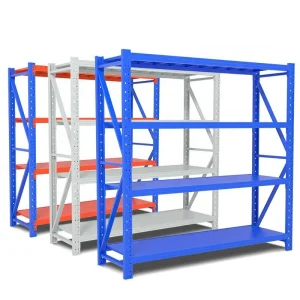
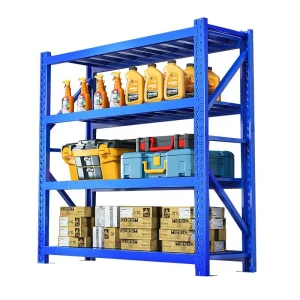
Premium storage hardware customized for optimized spatial distribution, heavy loads, and streamlined warehouse throughput.
A comprehensive analysis of global industrial spatial dynamics, structural safety engineering, and architectural integration parameters.
In the contemporary globalized logistics landscape, spatial optimization is no longer just an operational preference; it is a critical financial survival strategy. As urbanization accelerates and commercial land valuations continue to surge across major logistics nodes in North America, Western Europe, and Asia-Pacific, warehouse operators are facing unprecedented cost pressures. Traditional selective racking systems, while highly flexible, are highly space-inefficient, with access aisles commonly ranging between 3.2 and 4.0 meters wide. This configuration dedicates over 60% of the total warehouse floor footprint to vehicular corridors rather than revenue-generating inventory storage.
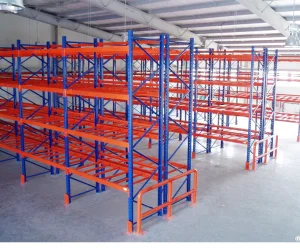
Very Narrow Aisle (VNA) systems represent the structural engineering solution to this challenge. By compressing aisle widths down to 1.5 to 1.8 meters, VNA configurations effectively increase pallet density by 45% to 60% compared to standard arrangements, without compromising individual unit selectivity. VNA systems utilize specialized materials-handling equipment—such as wire-guided turret trucks or automated storage and retrieval systems (AS/RS)—which travel along dedicated paths. This configuration allows operators to exploit vertical headroom up to 15 to 20 meters, unlocking significant cubic storage capacity within a minimal structural footprint.
"The ROI of VNA structures extends beyond simple storage density. By confining material handling vehicles to structured guide rails or induction wire systems, collision risks are reduced by up to 90%, significantly extending the duty cycle of both the industrial racking and the handling machinery."
Industrial procurement departments sourcing structural steel storage assets must navigate a complex grid of local building codes, seismic regulations, and engineering standard matches (such as RMI in the US and FEM 10.2.02 in Europe). Structural integrity is paramount: a localized failure at a height of 15 meters can propagate throughout an entire bay, leading to catastrophic system collapse and profound legal and operational liabilities.
Consequently, global enterprise purchasers require manufacturing partners who offer high levels of material traceability, strict tolerances, and certified structural weldments. Cold-rolled steel specifications (specifically structural grades Q235B and Q345B) are evaluated for mechanical performance metrics like yield strength, ultimate tensile strength, and elongation limits. Furthermore, surface treatment consistency—via multi-stage powder coating or hot-dip galvanization—is rigorously scrutinized to prevent long-term corrosion degradation in demanding operational environments such as sub-zero cold storage facilities and high-humidity chemical storage centers.
A closer look at Guangdong Guichang Metal Racks Trading Co., Ltd.—established in 2016 and built on a foundation of structural design and quality control.
Operating a modernized manufacturing complex spanning 18,500 square meters, Guangdong Guichang Metal Racks Trading Co., Ltd. has established itself as an innovative force in the heavy-duty warehouse storage and retail racking sectors. With over 12 years of industry experience, the enterprise delivers reliable engineering designs for industrial racking, logistics shelving, heavy-duty pallet racks, and bespoke storage solutions for demanding international markets. Achieving an annual export revenue of USD 18 million across 8 years of dedicated export experience, the company operates with a deep understanding of cross-border compliance, logistics, and quality assurance processes.
To ensure that every racking upright, beam, and connector pin can withstand structural stress over decades of usage, Guichang enforces an end-to-end quality inspection system aligned with ISO 9001 quality management standards. This methodology spans six key areas:
1. Raw Material Verification: Every batch of incoming steel coil is subjected to chemical composition testing and physical tensile validation to verify its load-bearing capability.
2. High-Precision Cutting & Punching: CNC-guided laser cutting and automated punching lines ensure structural dimensions remain within strict tolerances.
3. Weld Quality Auditing: Certified welding operators inspect joints for penetration depth and defect elimination under visual and ultrasonic assessment.
4. Surface Preparation & Coating: Automated chemical cleaning, acid pickling, and phosphating lines are utilized to ensure uniform adhesion for the protective powder-coating process.
5. Heavy Load Testing: Destructive and non-destructive load tests are performed on sample frames to verify shear, deflection, and ultimate capacity parameters.
6. Comprehensive Pre-shipment Evaluations: Detailed checks verify dimensional layout, coating thickness, and safety locking system performance before loading.
Supported by a dedicated internal Quality Assurance department containing 45 professional inspectors and a stable supply chain backed by more than 850 strategic partners, Guichang maintains consistent production cycles, stable raw material pricing, and prompt delivery schedules for international contractors.
Step-by-step documentation of our advanced automated lines, structural molding machinery, and professional quality control workflows.
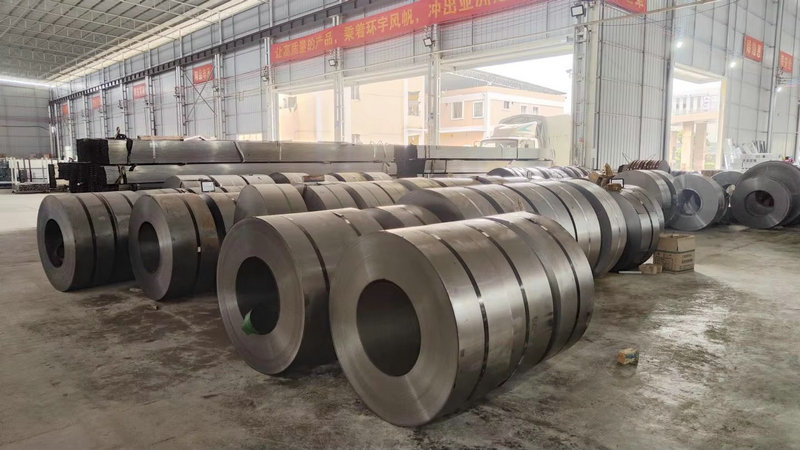
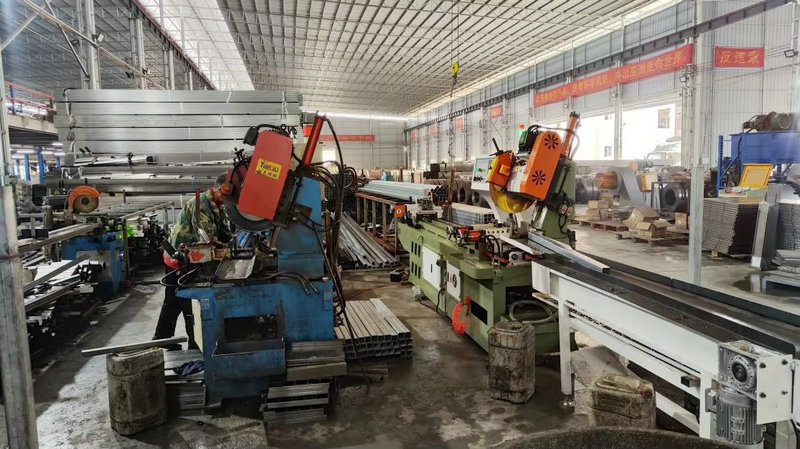
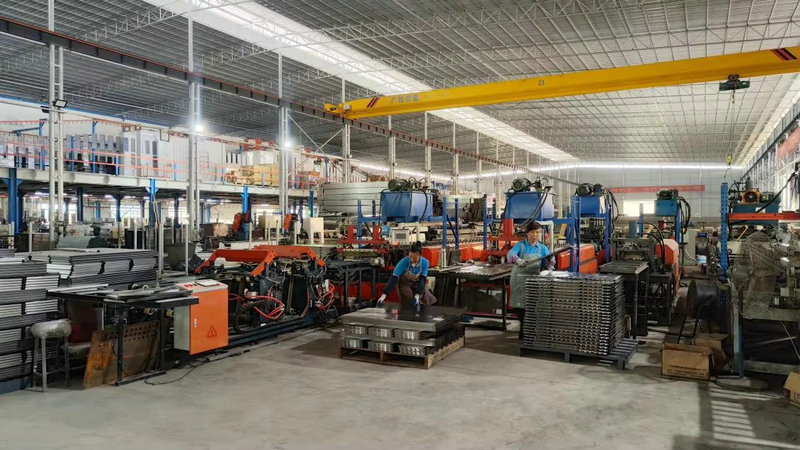
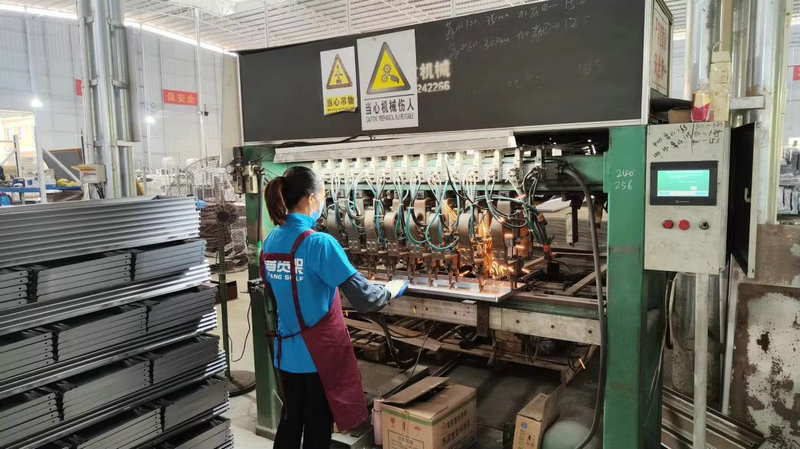
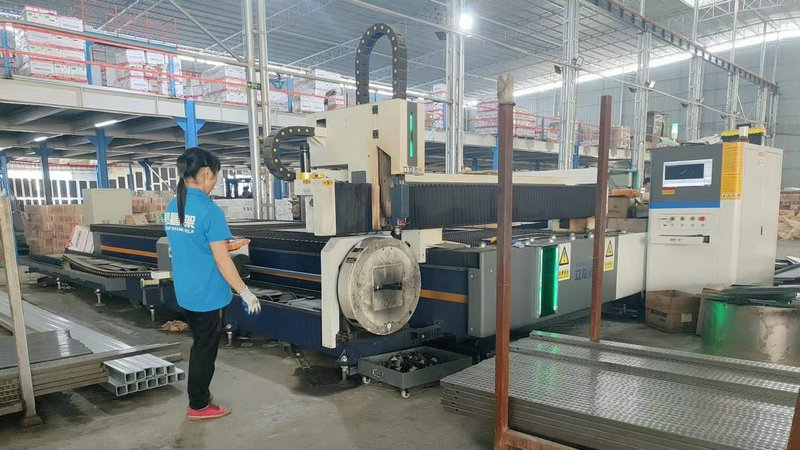
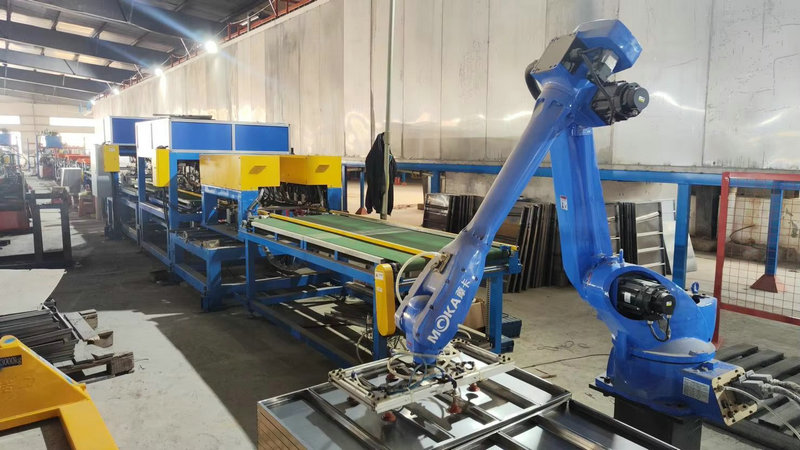
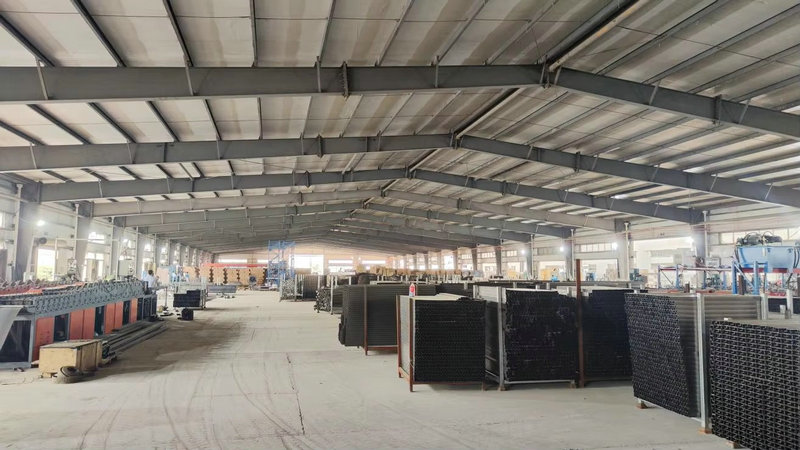
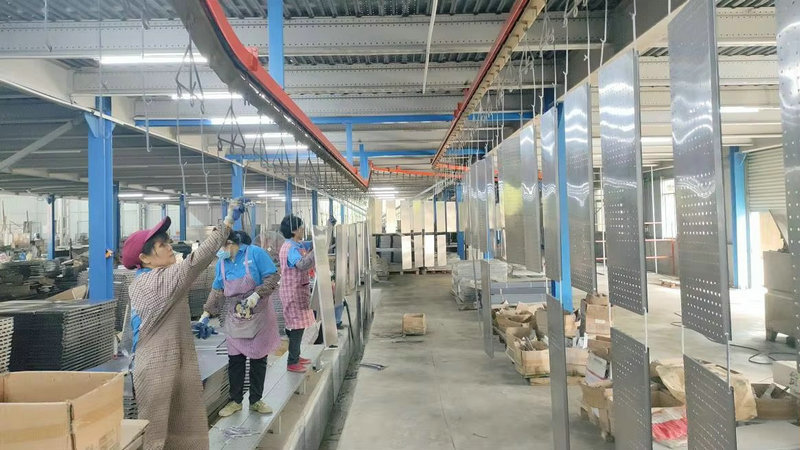
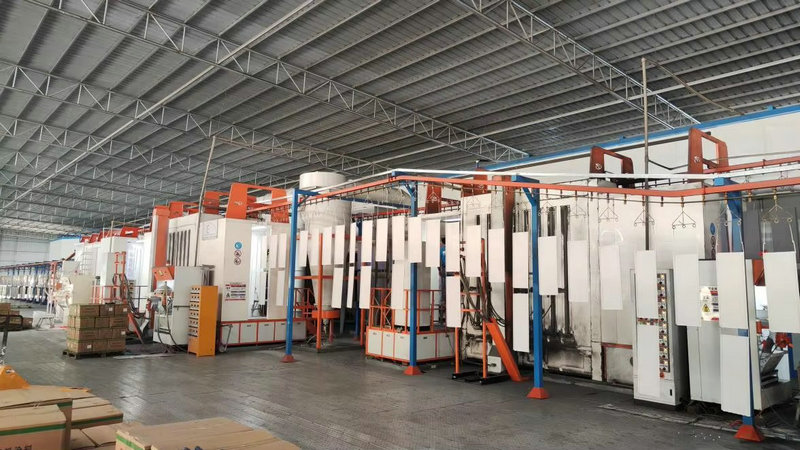
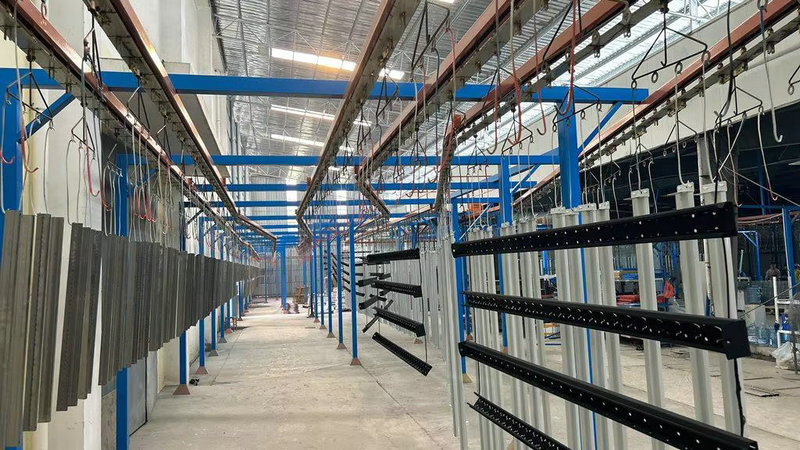
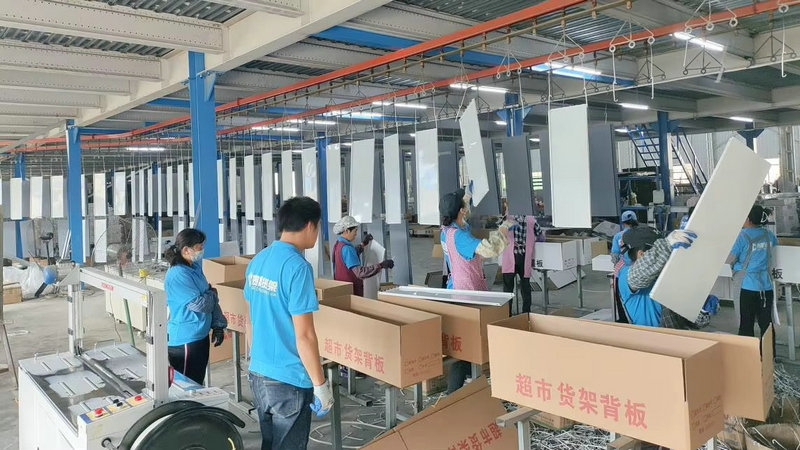
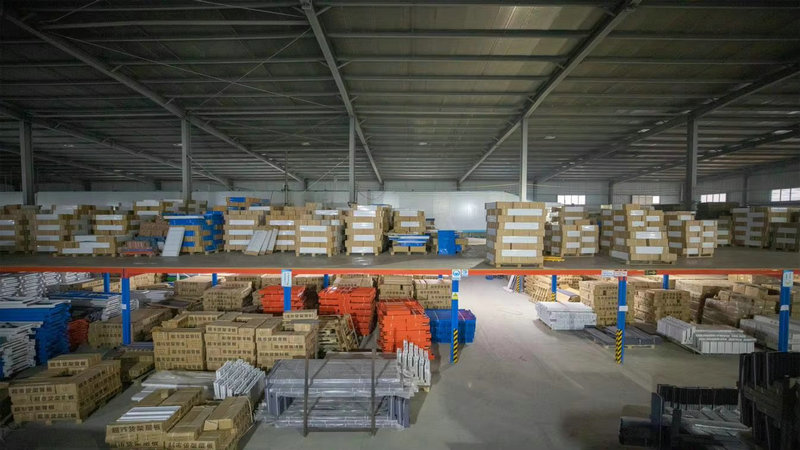
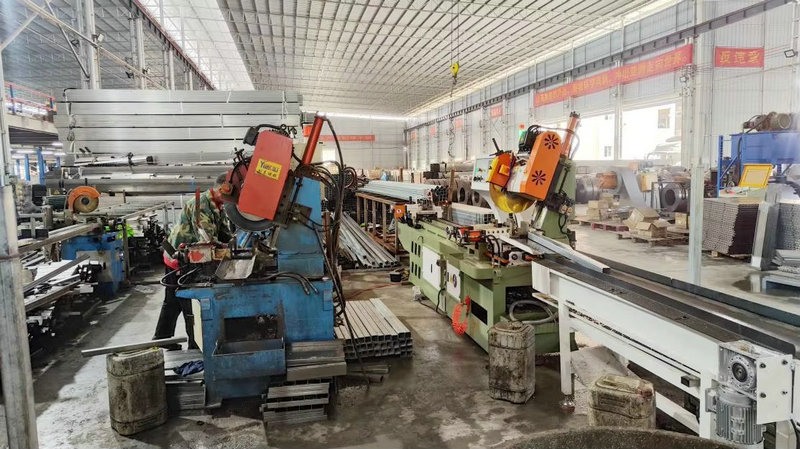
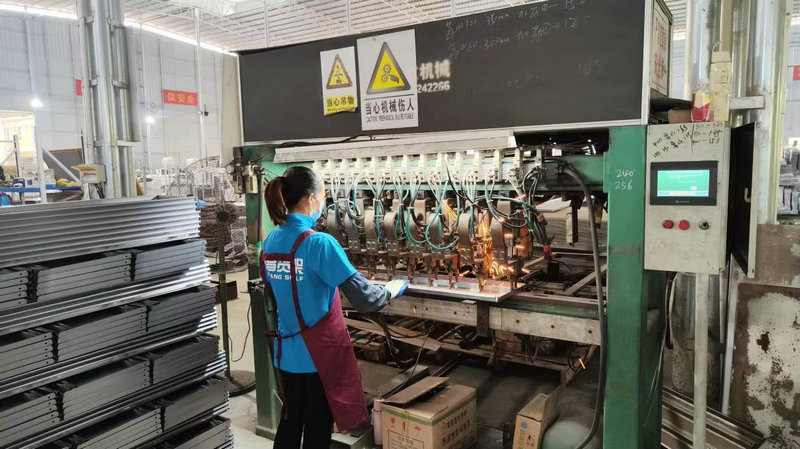
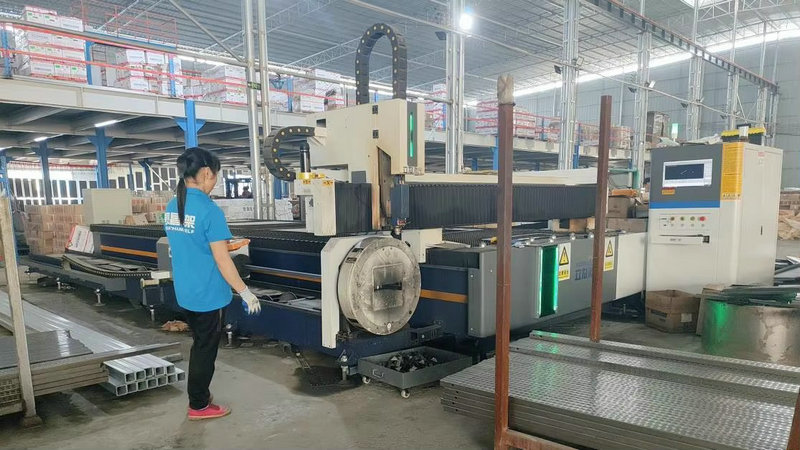
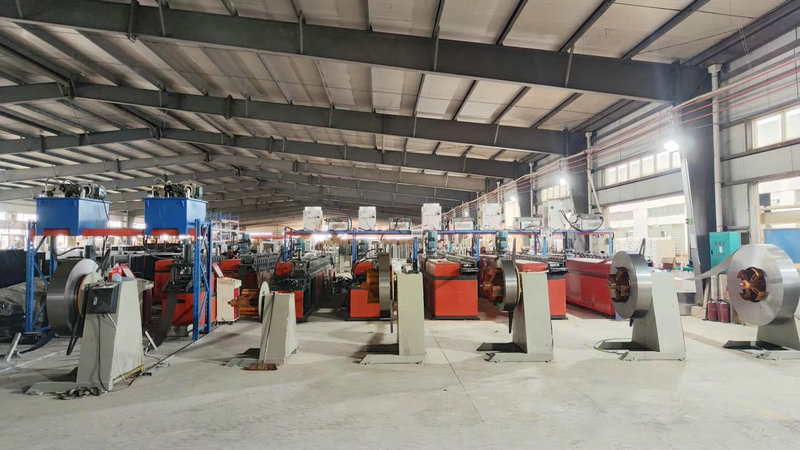
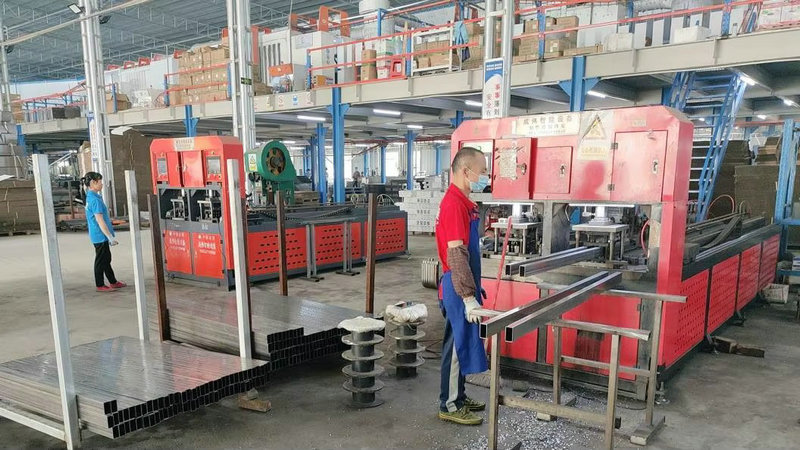
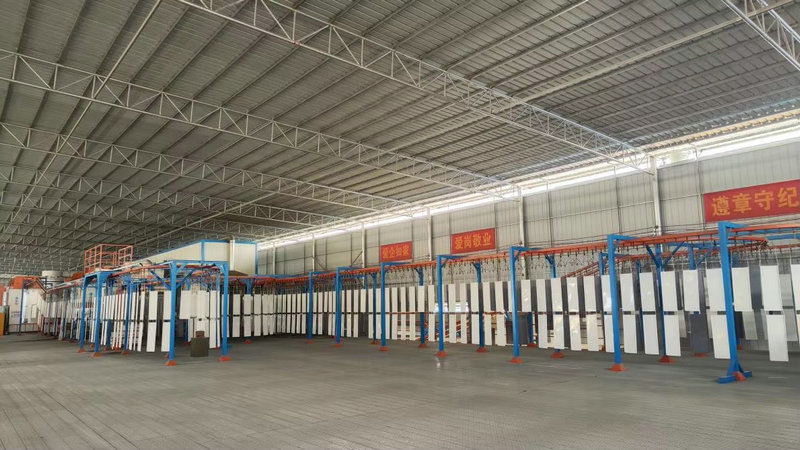
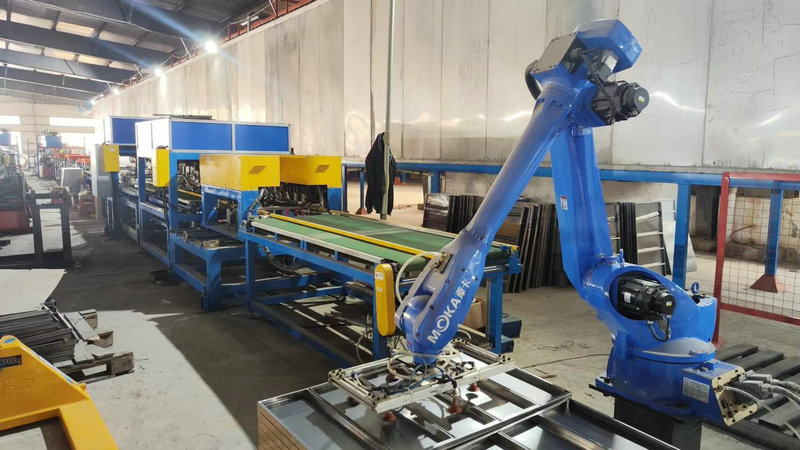
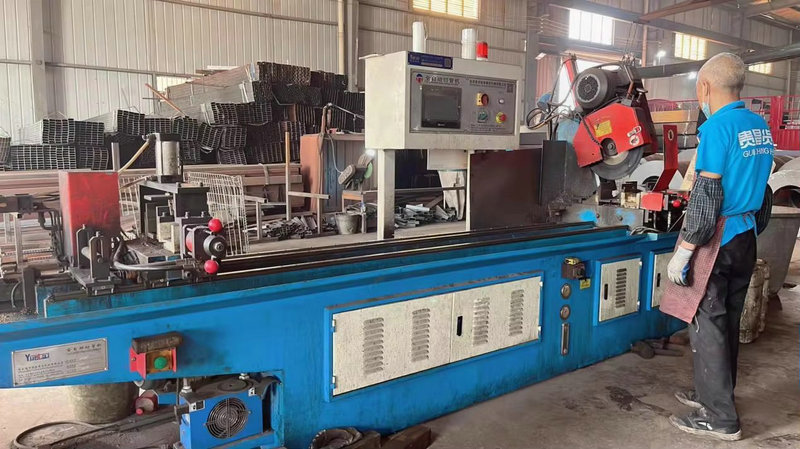
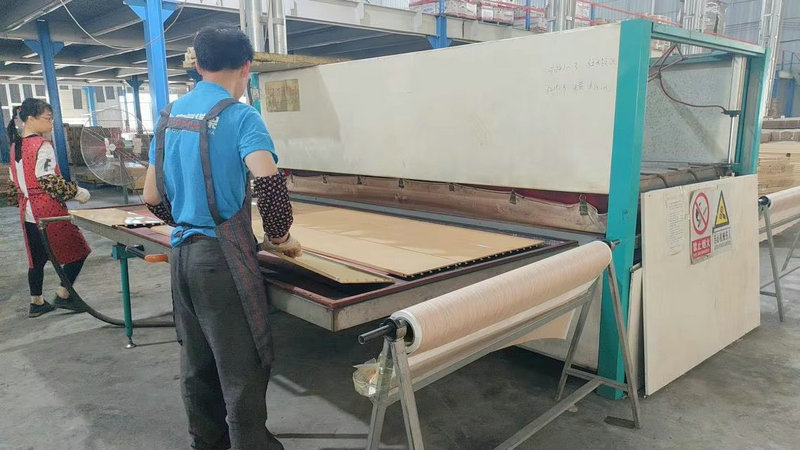
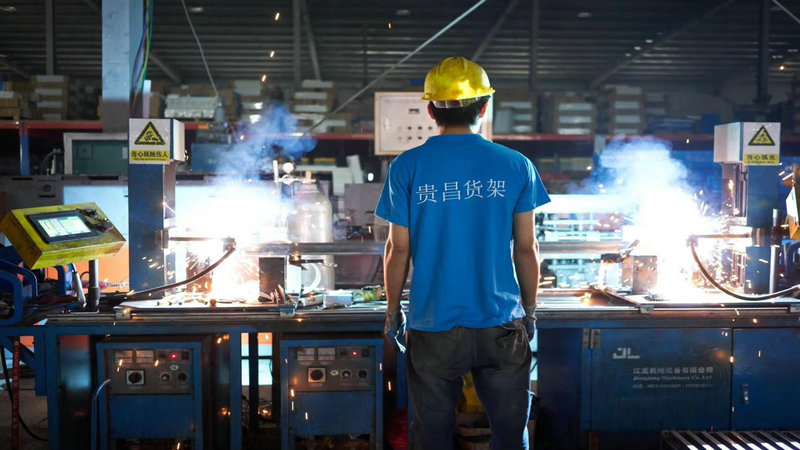
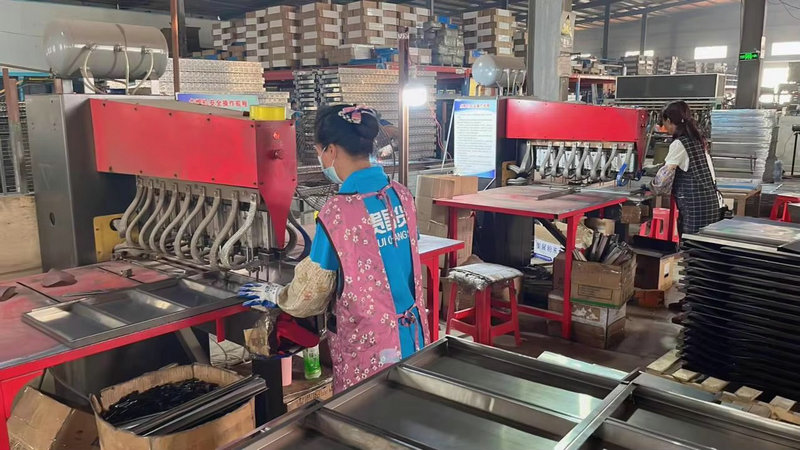
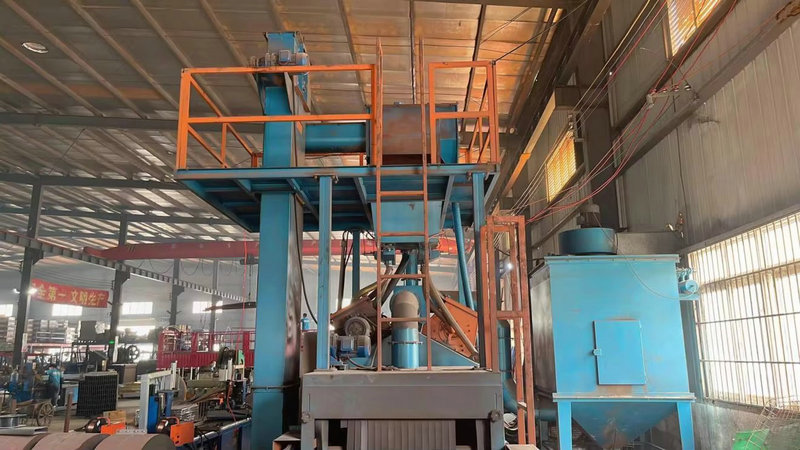
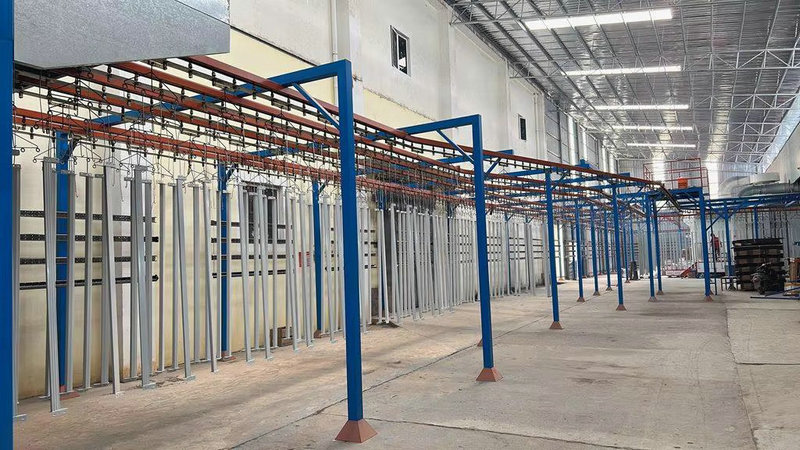
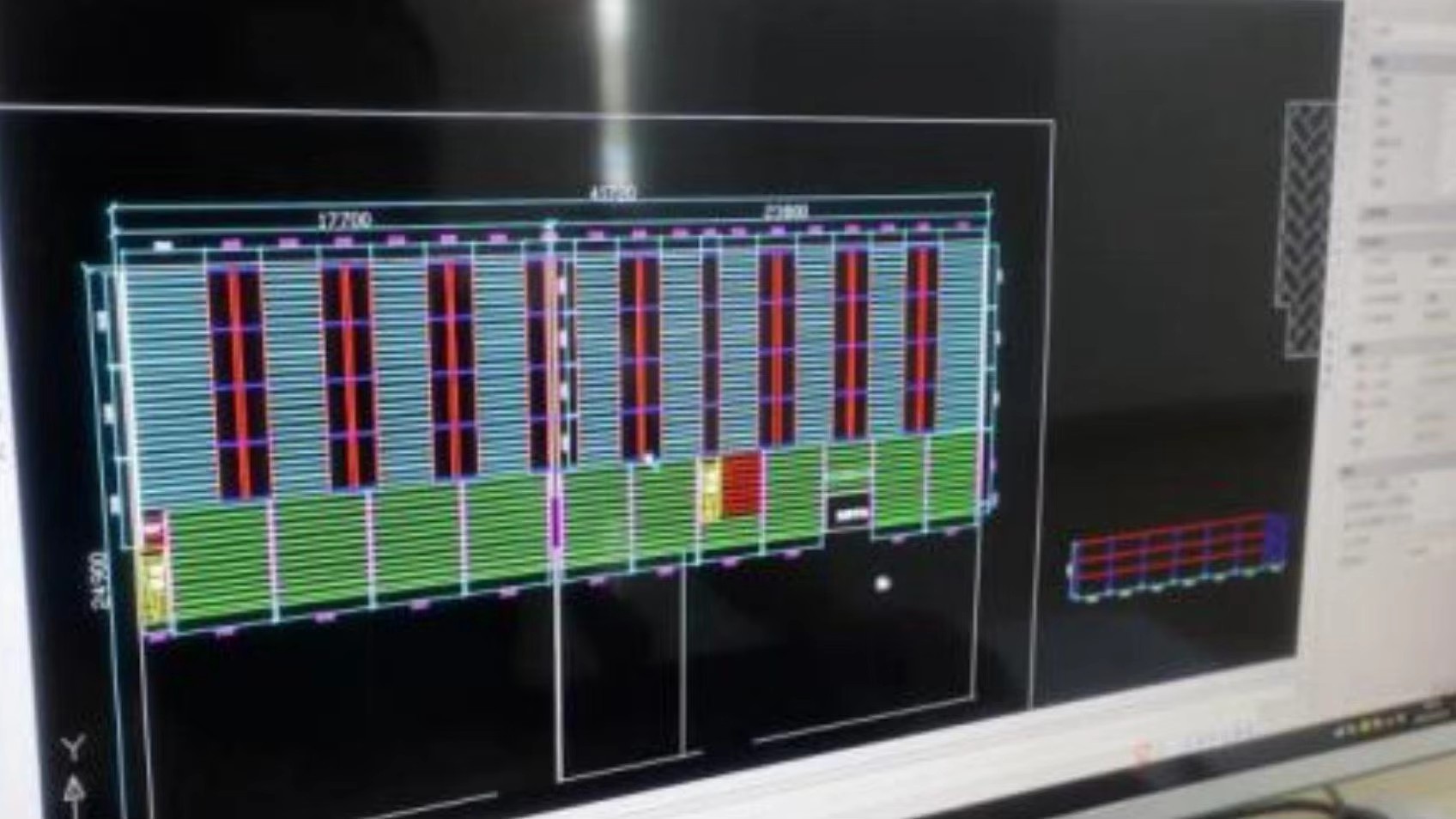
Analyzing key structural factors that optimize warehouse performance and safety margins.
Constructing stability in VNA configurations requires rigorous structural engineering. The high height-to-width ratio of narrow-aisle frames demands tighter structural tolerances and higher-grade steel than standard racking. The design process must account for factors including structural deflection under load, seismic performance, forklift guide rail interfaces, and floor levelness criteria.
Each custom structure undergoes computer-aided structural modeling before manufacturing. Finite Element Analysis (FEA) simulates stress distribution under live loads, dead loads, wind load conditions, and potential dynamic impacts. This verification validates deflection profiles to ensure compliance with European FEM and American RMI safety parameters.
For applications spanning humid sub-tropical zones to dry cold stores, custom surface treatments are required. Guichang utilizes multi-stage powder coat systems, which achieve dry film thicknesses exceeding 70 microns, and heavy-duty hot-dip galvanization to maintain structural safety in environments with significant temperature fluctuations.
VNA systems utilize guide rails or inductive wire systems to route specialized vehicles through narrow corridors. Racking column footplates must be configured to accommodate guide rail anchor points, transferring horizontal wheel loads safely to the concrete slab without fatiguing the upright connections.
For installation in seismically active regions, racking frames are reinforced with vertical and horizontal diagonal bracing systems. Enlarged, heavy-duty floor plates and dual anchors distribute seismic forces into the floor slab, helping to prevent structural failure during seismic events.
Custom-engineered racking layouts designed to support the operational requirements of core global industries.
In the high-velocity 3PL sector, storage density must be balanced with operational flexibility. Our adjustable VNA systems feature customizable beam connections, enabling rapid reconfiguration of bay heights as client profile demands shift. High load capacity configurations support heavy pallet loads without requiring complete teardowns, helping to preserve operational continuity.
Because cold storage spaces incur high energy footprints, maximizing density is critical to managing operating costs. Our cold storage VNA configurations are optimized for density to maximize the volume of refrigerated air utilized, improving thermal efficiency and reducing cost-per-pallet metrics in sub-zero environments.
Modern e-commerce hubs require rapid picking rates and high inventory tracking accuracy. Our integrated VNA racking layouts are designed to support wire-guided order pickers and AS/RS machinery, enabling efficient automated operations and high throughput volumes.
Detailed answers to key engineering, compliance, and installation questions for industrial storage systems.
Generally, Very Narrow Aisle (VNA) system corridors are engineered to widths between 1.5 and 1.8 meters. The specific dimensions depend on the specifications of the materials-handling equipment selected (such as man-up turret trucks or articulated forklifts) and the dimensions of the load being handled.
At lift heights exceeding 10 meters, floor flatness is critical. Small deviations at ground level are magnified at high elevations, which can lead to structural collisions. Floor installations should conform to flatness classifications like DIN 15185 or FM1/FM2 parameters to support safe high-lift operations.
Yes. The beam assemblies feature modular connector configurations, typically adjustable at 50mm or 75mm increments. This enables rapid structural reconfiguration to match changing pallet heights or product dimensions without requiring custom tools.
For cold store applications with high relative humidity, we recommend hot-dip galvanized finishes or specialized, low-temperature resistant epoxy-polyester powder coatings. These treatments provide long-term protection against condensation and oxidation.
Our designs undergo structural validation using Finite Element Analysis (FEA) and physical testing to verify load capacity ratings. We perform destructive and limit-state tests on components to confirm safety factors align with standard industrial requirements.
Yes. Through our network of engineering partners and distributors in Europe, North America, and South America, we assist clients with structural calculation packages, seismic layout designs, and installation coordination.
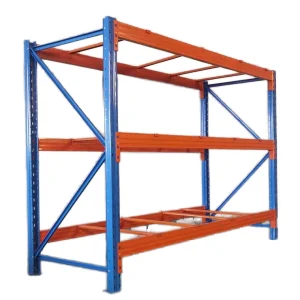
Heavy-duty, high-capacity racking configurations engineered to support heavy loads and high vertical lift profiles.
 Guichang Metal Racks