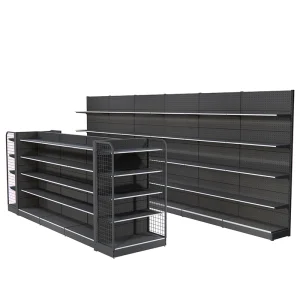
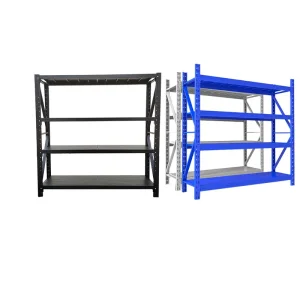
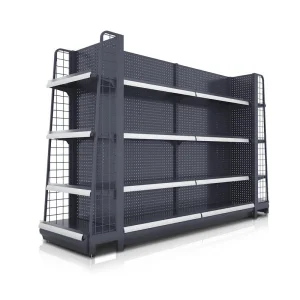
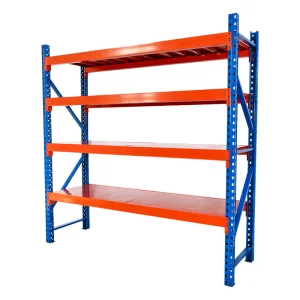
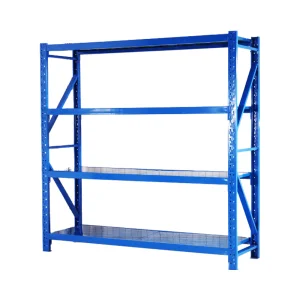
In an era dominated by instantaneous supply chains, e-commerce dominance, and fluctuating labor landscapes, the traditional warehouse is undergoing a monumental evolution. Automated Shelving Systems stand at the epicenter of this transformation, providing the crucial mechanical and physical interface for AS/RS (Automated Storage and Retrieval Systems), automated mobile robots (AMRs), and high-density warehouse automation.
When procurement officers look for shelving solutions, they are no longer merely comparing steel weight and basic surface treatment. The modern, automation-ready structure demands extreme dimensional precision, strict load-deflection metrics, and structural integrity under dynamic kinetic stresses. Automated crane and shuttle interfaces require tolerances measuring in millimeters rather than centimeters to prevent high-speed picking collisions and operational halts.
Leading manufacturers in China have adapted to this demanding environment. By utilizing advanced automated roll-forming and robotic welding, factories can produce racks that feature predictable elasticity, exceptional fatigue life, and modular configurations that support future system expansions.
For engineering contractors and enterprise logistics operators, the primary risk point lies in structural failure and compliance delays. Industry studies indicate that over 65% of warehouse system issues stem from poor initial quality checks on raw materials or substandard welding procedures.
To address these concerns and demonstrate clear reliability (E-E-A-T), top suppliers implement comprehensive engineering testing. This includes Finite Element Analysis (FEA) to simulate seismic stresses, dynamic load testing of beams to monitor elastic deflection, and advanced salt-spray testing to verify the long-term corrosion resistance of powder coatings in temperature-controlled or cold-chain environments.
Established in 2016, Guangdong Guichang Metal Racks Trading Co., Ltd. has developed into a leading warehouse storage rack manufacturer, offering advanced structural solutions to clients across the globe.
Guichang Metal Racks operates from a highly optimized industrial estate in Guangdong, leveraging a regional supply chain network of over 850 strategic partners. This strong logistics network ensures steady raw material sourcing, helping the factory maintain reliable lead times and competitive pricing even during periods of global supply chain volatility.
The company's focus on innovation is led by an R&D department of 18 professional engineers specializing in mechanical design and warehouse layout optimization. Last year alone, the team successfully developed and launched 320 new product variants, accommodating emerging market demands like micro-fulfillment centers, cold-storage automated systems, and high-load industrial racking.
With 8 years of export experience, Guichang has successfully established long-term relationships with storage equipment distributors, e-commerce warehouse operators, engineering contractors, and industrial solution providers in North America, Europe, Southeast Asia, the Middle East, and South America.
To ensure safe operation and longevity, Guichang employs strict quality assurance procedures at every stage of production:
Explore our modern production workflow, highlighting the advanced machinery, robotic automation, and detailed manufacturing steps that ensure the structural integrity of every rack and shelf system.
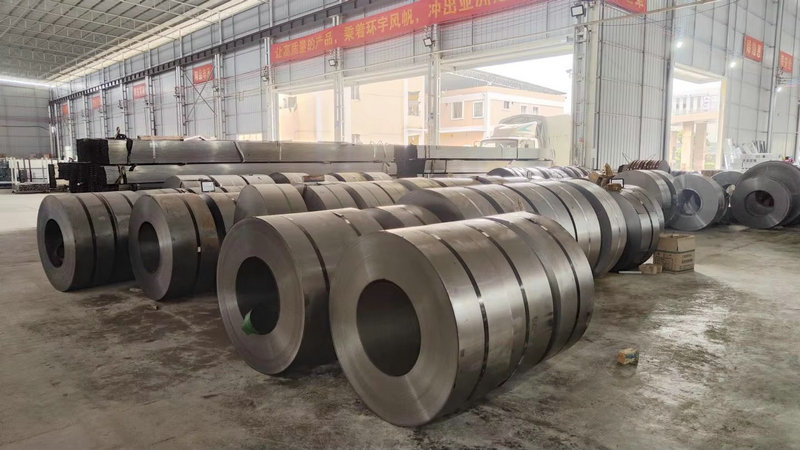
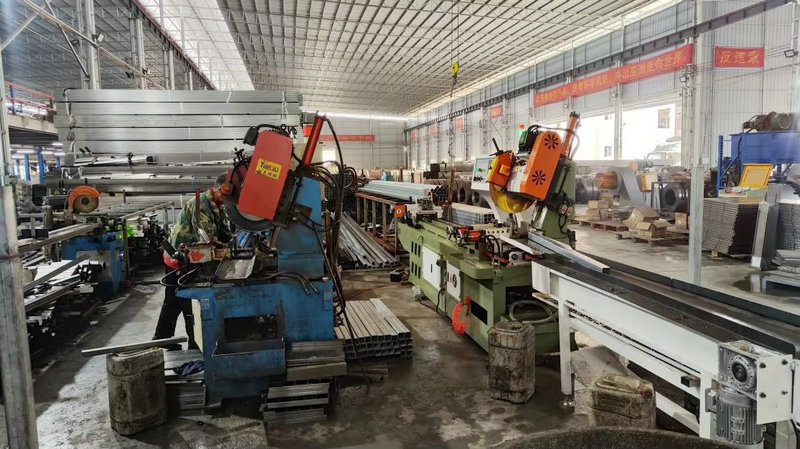
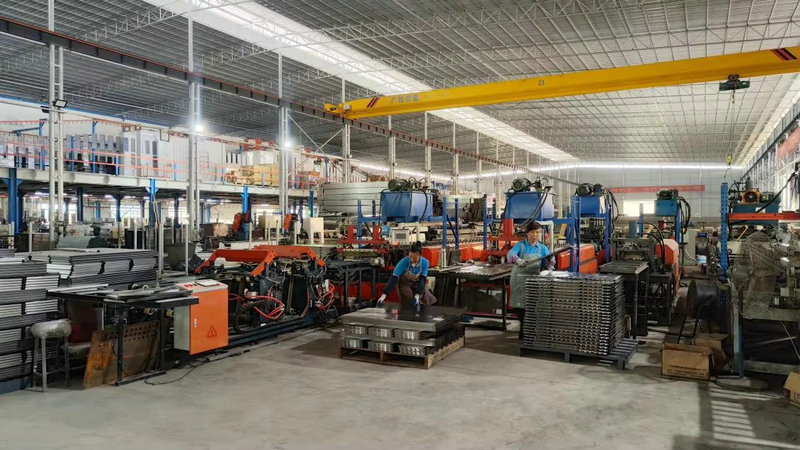
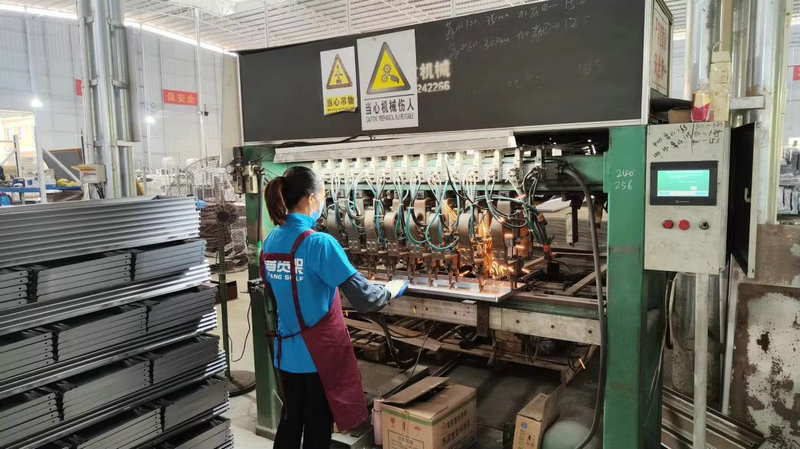
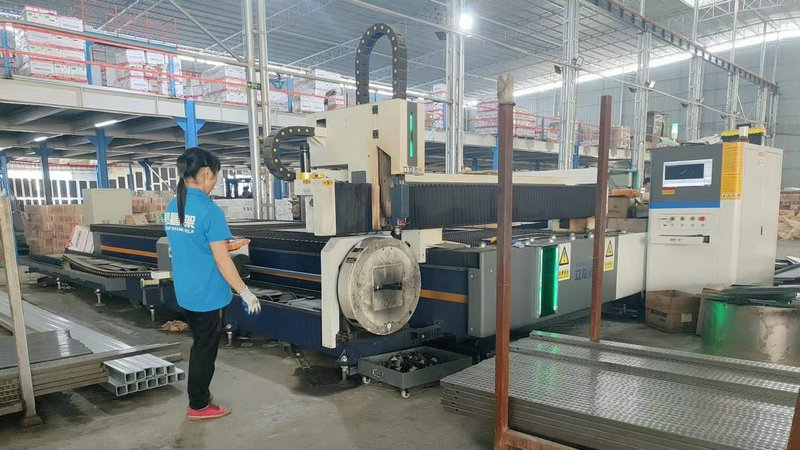
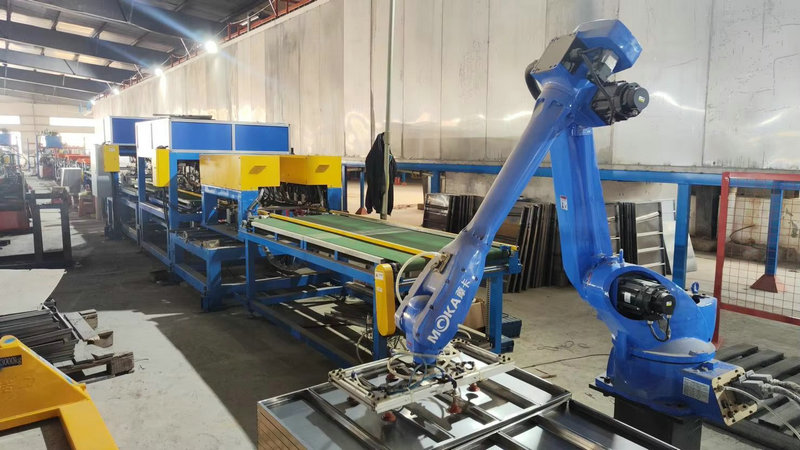
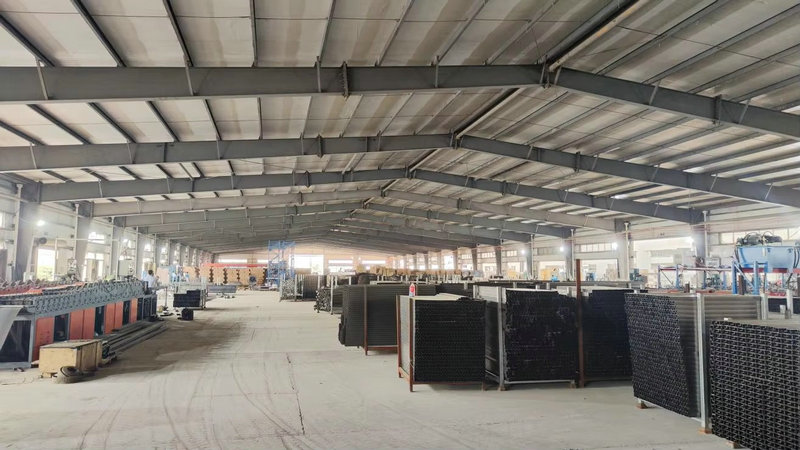
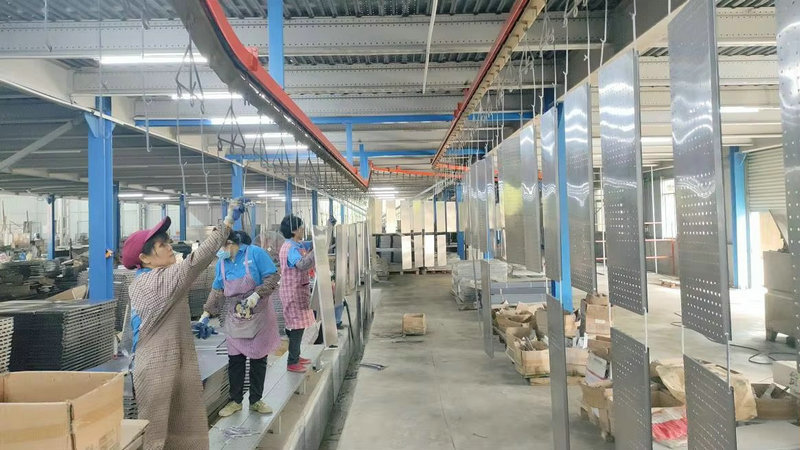
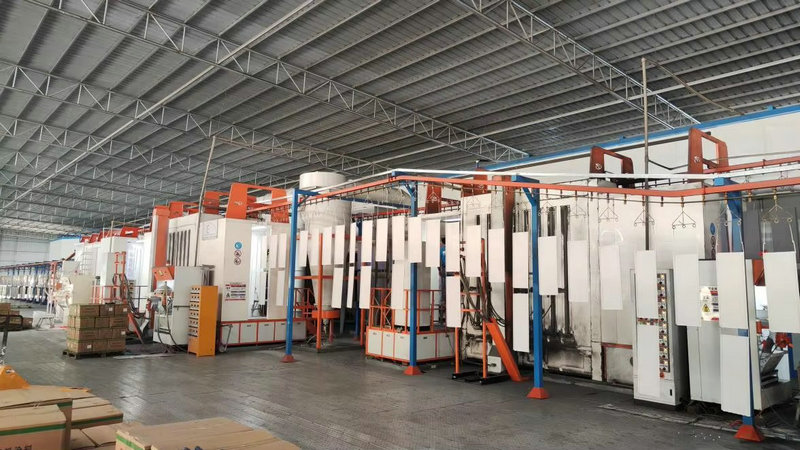
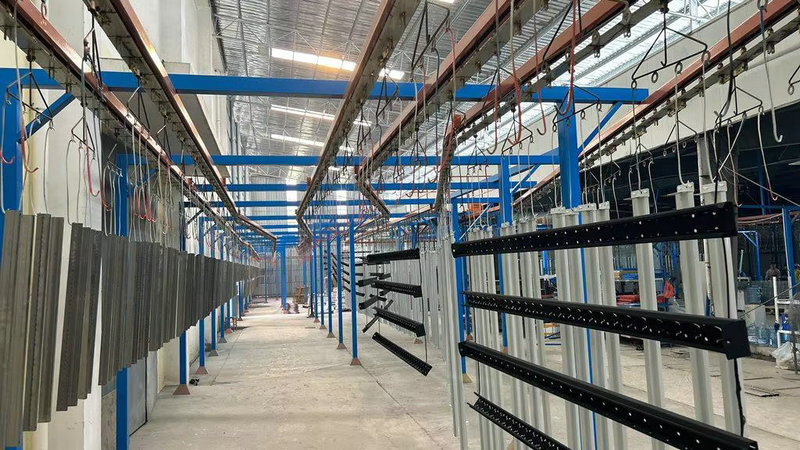
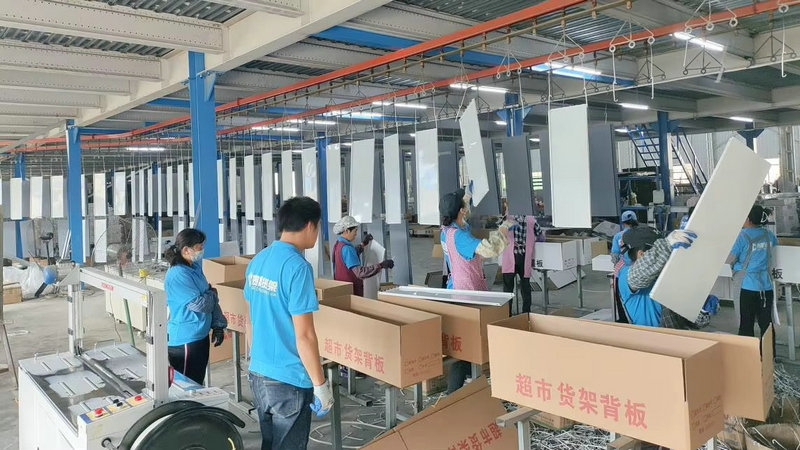
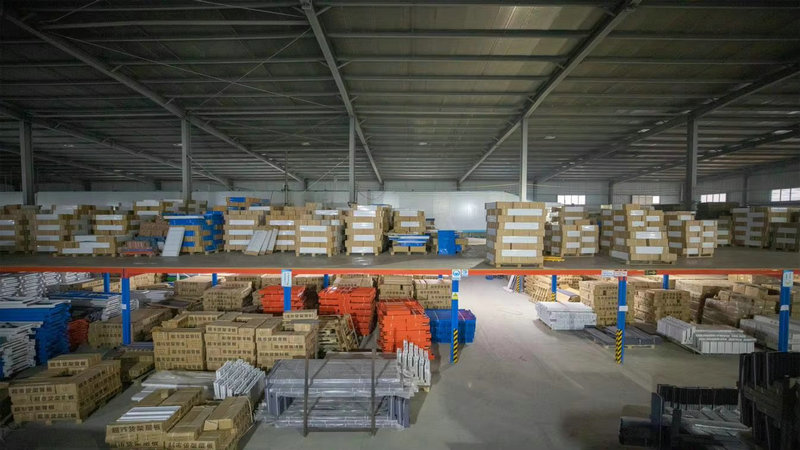
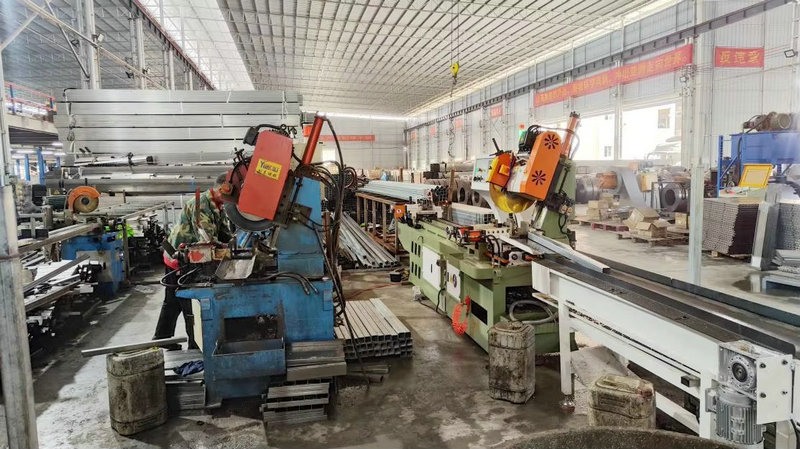
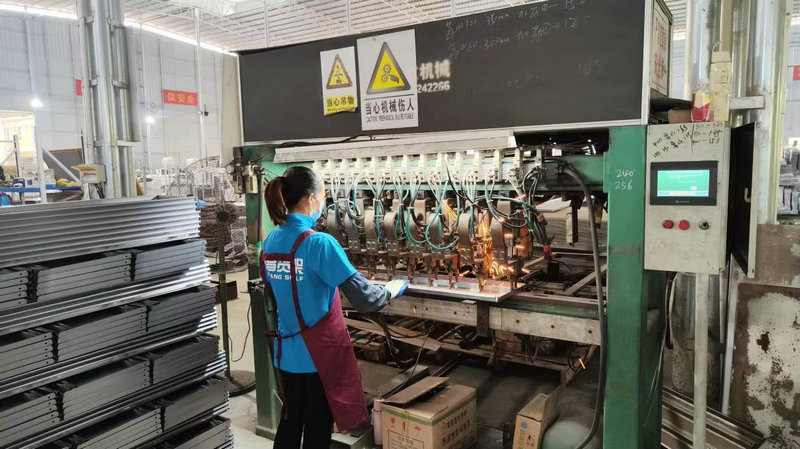
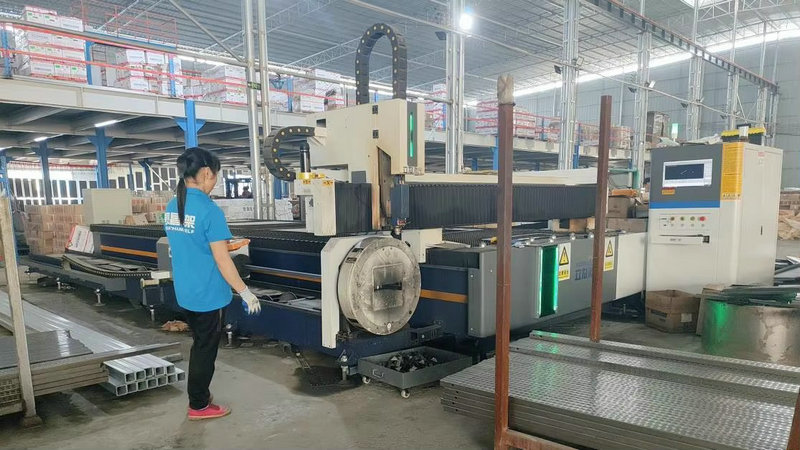
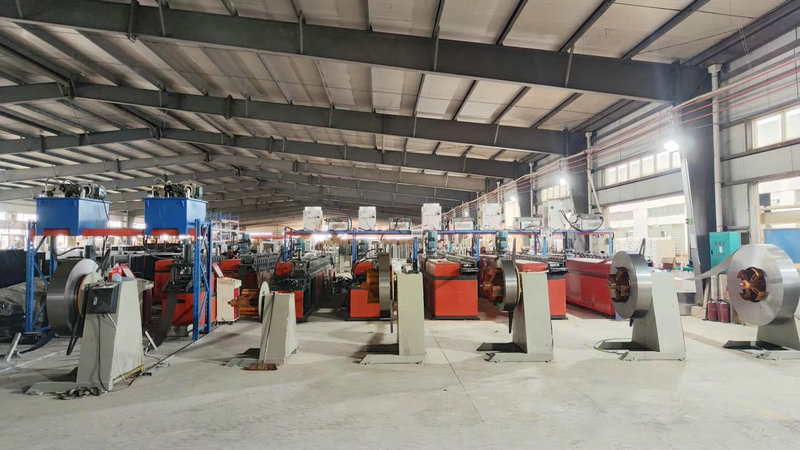
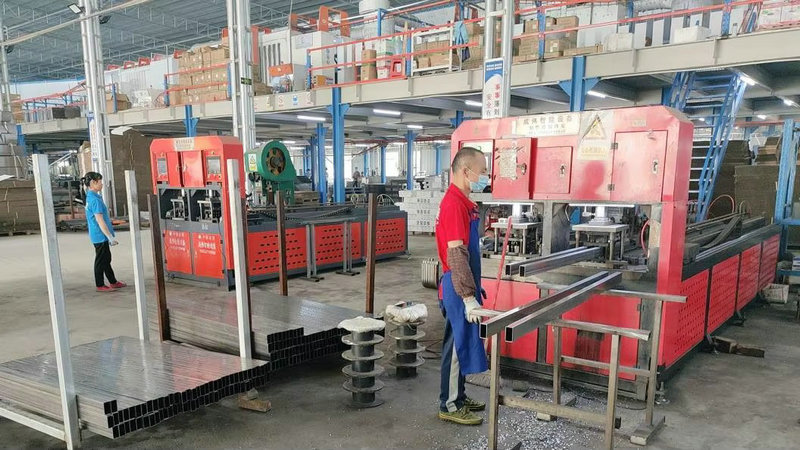
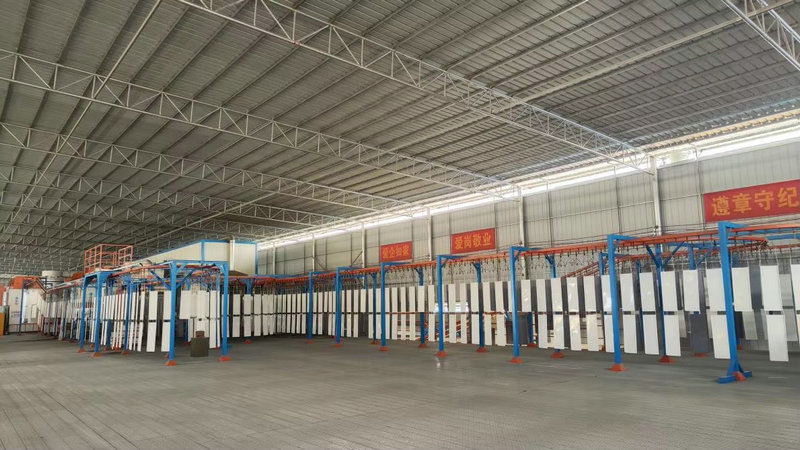
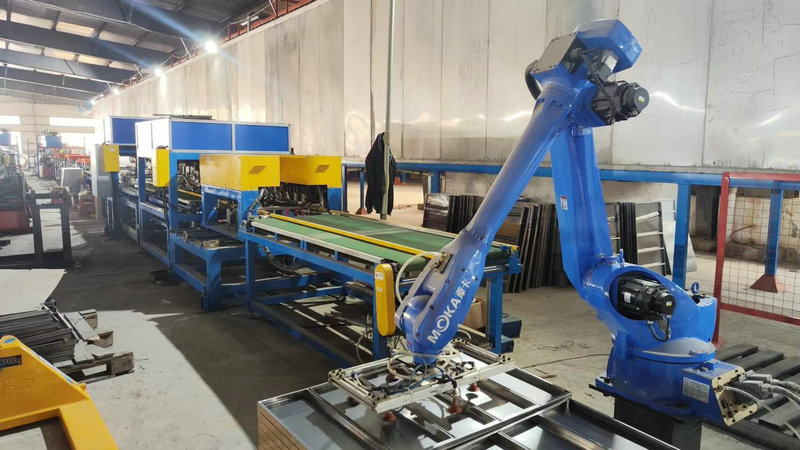
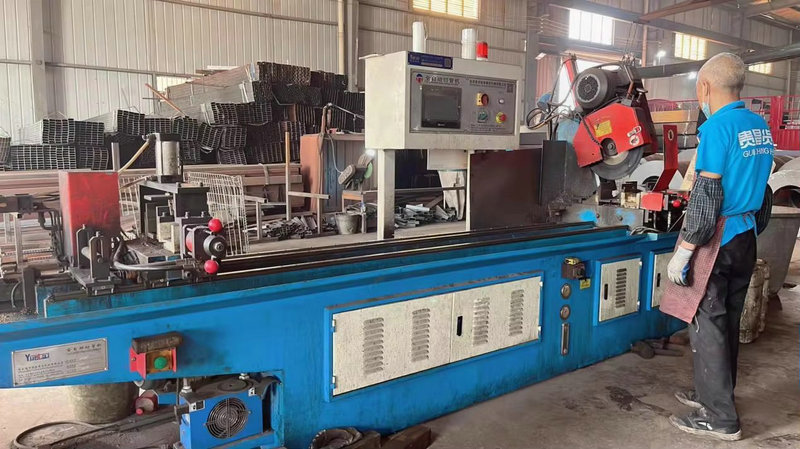
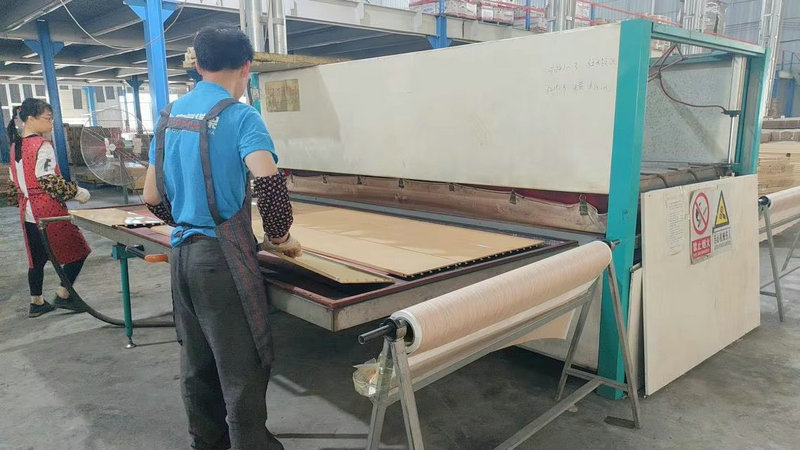
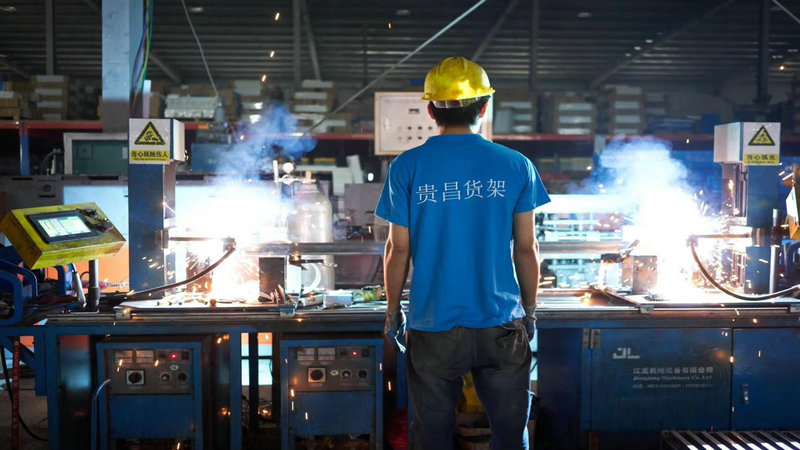
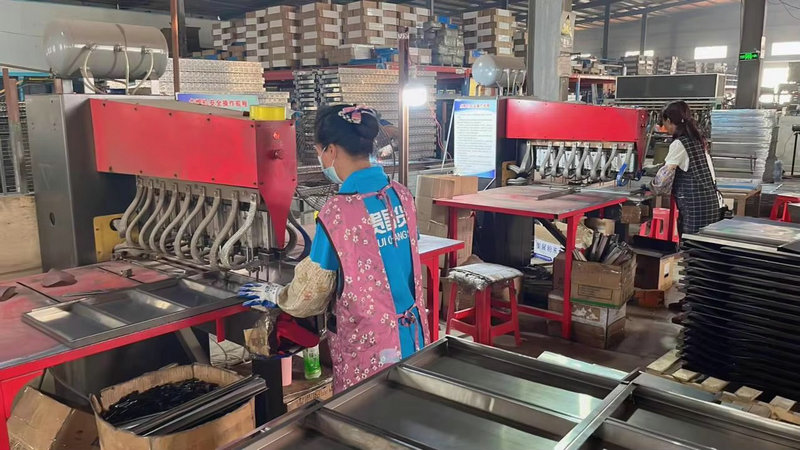
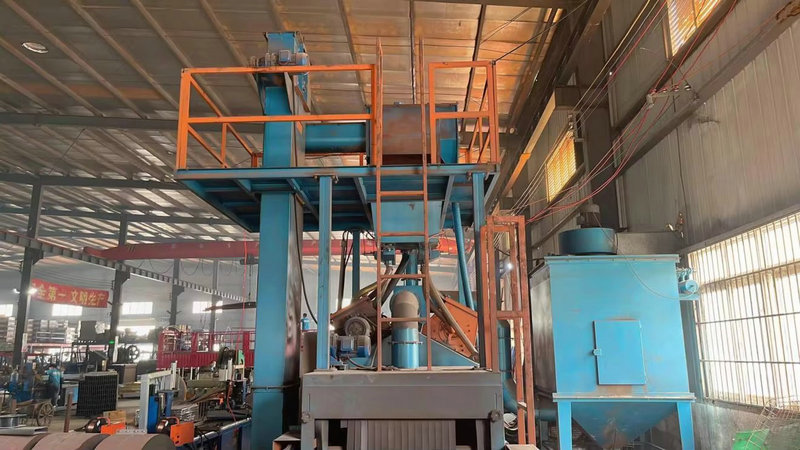
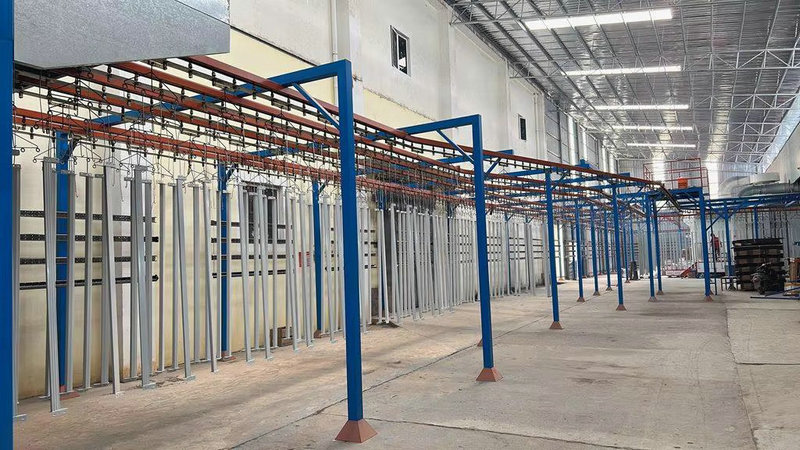
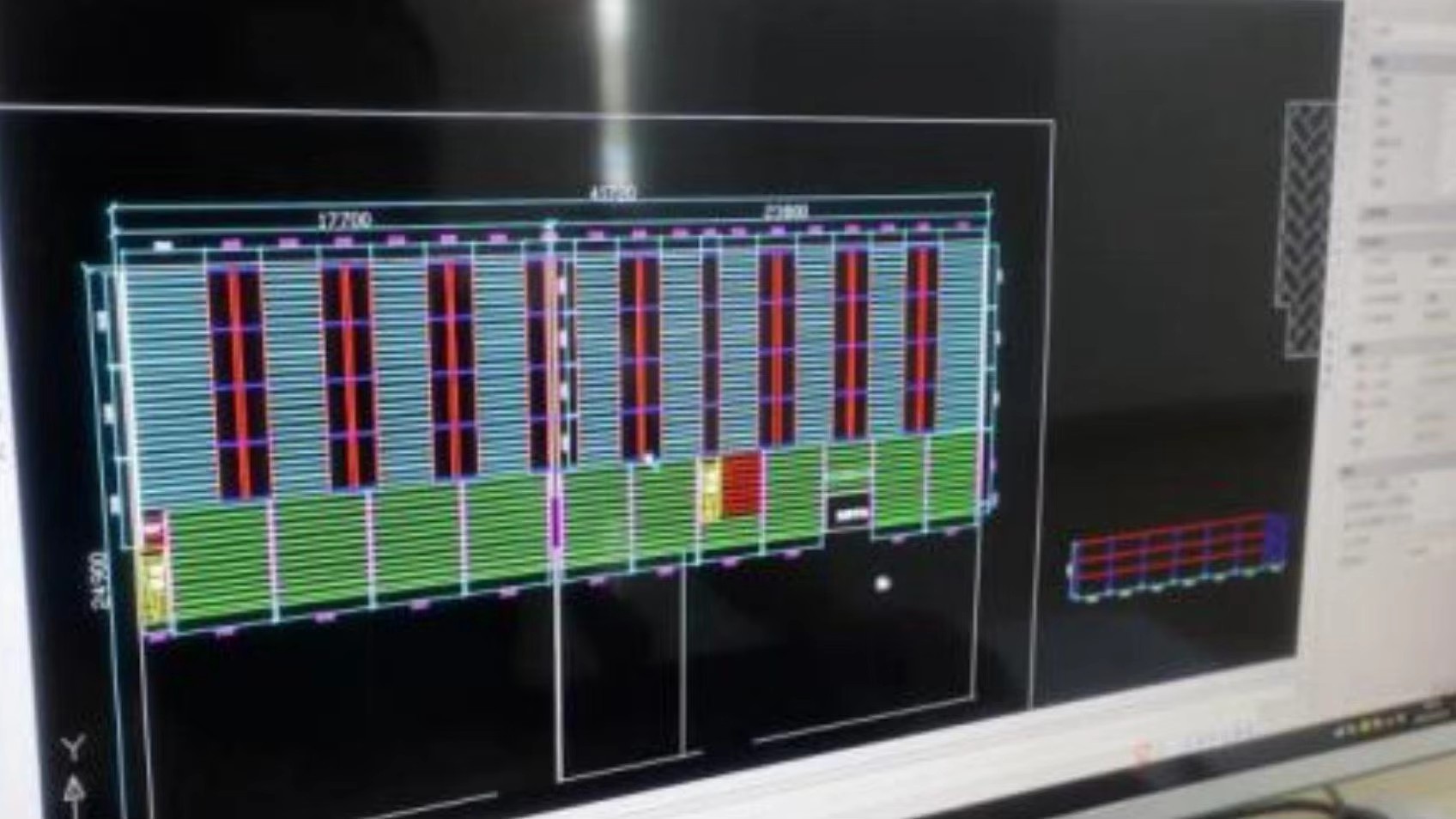
China produces more than 60% of the world's logistics storage racks. This market leadership is supported by key structural advantages that enable factories to deliver high-quality products efficiently.
Chinese manufacturers operate near key regional steel hubs. This allows them to source premium Q235B and Q355B structural steel directly from major steel mills, maintaining consistent material grade and thickness.
By integrating laser cutting systems, automatic punching presses, and robotic welding stations, Chinese facilities reduce human error and speed up production times compared to manual processes.
Located close to major shipping hubs in Shenzhen and Guangzhou, manufacturers can reduce transport costs and manage export container logistics efficiently, keeping overall project costs competitive.
Procurement professionals face strict regulatory challenges, and shelving systems must comply with regional structural safety codes to prevent liability issues.
When purchasing warehouse shelving, structural safety compliance is critical. In North America, structural systems must align with the Rack Manufacturers Institute (RMI) standard ANSI MH16.1. This code specifies testing procedures for columns and beams to ensure they can handle design load limits under various conditions.
In Europe, structural calculations must follow EN 15512 and the European Federation of Materials Handling guidelines (FEM 10.2.02). These standards require careful review of structural joints, baseplate connections, and beam-to-column deflection ratios to ensure long-term stability and workplace safety.
For installations in seismic-active zones, such as California (under IBC codes) or parts of Europe, racking systems must be engineered to resist seismic forces. Using Finite Element Analysis (FEA), designers can optimize steel thickness, baseplate sizing, and floor anchoring to withstand dynamic ground movement.
Compliance also requires clear material traceability. Leading exporters provide Mill Test Certificates (MTCs) for each steel batch, proving chemical composition and yield strength, helping clients clear local municipal inspections and secure occupancy permits.
Shelving systems are increasingly integrated with optical scanners, weight sensors, and RFID arrays, allowing modern Warehouse Management Systems (WMS) to track inventory levels in real-time.
Modern racking designs feature smoother structural rails and guidance systems, allowing Autonomous Mobile Robots (AMRs) and automated shuttles to travel along tracks with minimal rolling friction.
To adapt to changing market demands, companies choose boltless, modular shelving systems that can be reconfigured or expanded upward without requiring full structural overhauls.
From grocery stockrooms to massive automated distribution centers, physical shelving designs are tailored to meet the specific requirements of different industries.
High-turnover e-commerce warehouses require vertical space optimization. Multi-tier shelving mezzanine floors, paired with light-duty shelving units, allow pickers and automated systems to access thousands of SKUs quickly, improving overall picking speed.
Cold-storage environments require materials that remain strong at sub-zero temperatures. Racking systems for cold rooms utilize specialized steel alloys and thicker galvanized coatings to resist temperature-induced brittleness and rust.
Get expert answers to common questions regarding structural engineering, compliance, logistics, and custom manufacturing processes.
 Guichang Metal Racks