Heavy-duty configurations, corrosion-protected finishes, and modular designs custom engineered to support robust warehousing logistics.
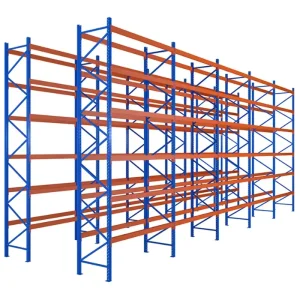
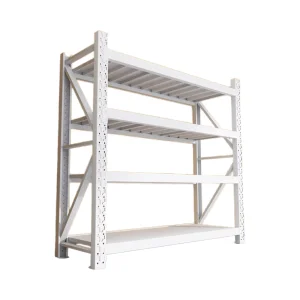
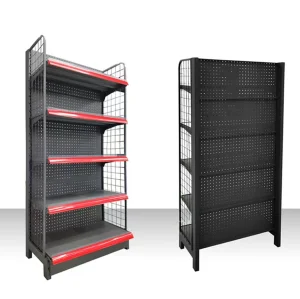
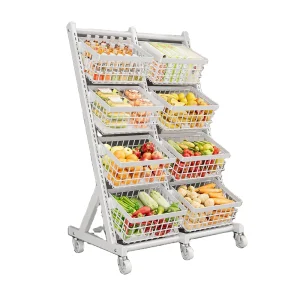
An analytical review of spatial efficiency, structural integrity, and modern engineering paradigms within heavy industrial logistics.
In the contemporary industrial sector, spatial dynamics dictate operational margins. Traditional pallet racking systems, while highly effective for standardized cubic loads, present significant architectural limitations when handling long, bulky, or irregular materials. Structural steel channels, timber bundles, plastic piping systems, extrusion tubes, and metal plates cannot be stored efficiently within standard vertical frame configurations due to front-column interference. This is where cantilever storage systems prove essential.
Globally, the demand for cantilever structural frameworks is surging. This increase is driven by rapid growth in prefabricated construction, localized heavy manufacturing, and complex global supply chains. Structurally, cantilever racks rely on freestanding columns equipped with horizontal arms that extend outward, offering a continuous storage plane without front upright columns. This design ensures direct selectivity and unimpeded lateral access, allowing overhead cranes, reach trucks, and specialized side-loader forklifts to load and unload goods with minimal cycle times.
"Industrial cantilever engineering requires a balance between load deflection limits and safety standards. Every millimeter of vertical deflection must be computed dynamically to prevent structural yield failures under load variations."
Cantilever designs are typically categorized into roll-formed and structural steel columns. Roll-formed uprights, fabricated from high-strength sheet steel, offer cost-effective and highly adjustable configurations for medium-duty loads. Conversely, hot-rolled structural steel I-beams provide heavy-duty load capacity, resisting impact from forklift maneuvers and maintaining structural stability under high loading pressures. As global supply networks demand higher storage densities, matching structural specifications with exact load profiles has become a key factor in industrial site safety and operational efficiency.
A premier Chinese manufacturing and export hub delivering specialized warehouse storage racking configurations to global industries.
Established in 2016, Guangdong Guichang Metal Racks Trading Co., Ltd. has grown to become a leading manufacturer in the heavy-duty industrial storage sector. Operating from a modern, state-of-the-art manufacturing facility spanning 18,500㎡, the company delivers high-quality industrial racking systems, warehouse shelving, pallet racks, and customized structural storage configurations to customers worldwide.
With an annual export revenue of approximately USD 18 million and 8 years of dedicated export experience, Guichang Metal Racks has developed a comprehensive international trade operation. Our engineering and manufacturing processes are backed by 12 years of industry experience, ensuring high-quality metal storage systems, precise structural tolerances, and reliable load-bearing performance.
Our quality assurance program follows strict quality control procedures, including ISO 9001 quality management standards, raw material inspection, welding inspection, surface treatment evaluation, load-bearing tests, and finished product inspection. Each product undergoes rigorous testing—including dimensional measurement, strength testing, powder coating thickness checks, and safety performance testing—before shipment. Our quality control team includes 45 professional inspectors who monitor every stage of production from raw material selection to final delivery.
Guichang Metal Racks maintains a stable, resilient global supply chain network with more than 850 strategic suppliers and partners. This network enables us to secure premium raw materials, streamline production scheduling, and maintain competitive delivery times. We serve a diverse global client base, including warehouse operators, logistics companies, retailers, manufacturing enterprises, wholesalers, and engineering contractors across North America, Europe, Southeast Asia, the Middle East, and South America.
Comprehensive quality management systems ensuring consistent mechanical tolerances and welding integrity across all structural fabrications.
Our engineering department features 18 specialists in mechanical design, manufacturing technology, and automated warehouse layout development.
With 320 new products launched in the past year, we continuously expand our product range to meet changing global market demands.
From premium raw materials to precision laser cutting, automatic robotic welding, and automated surface treatment lines.
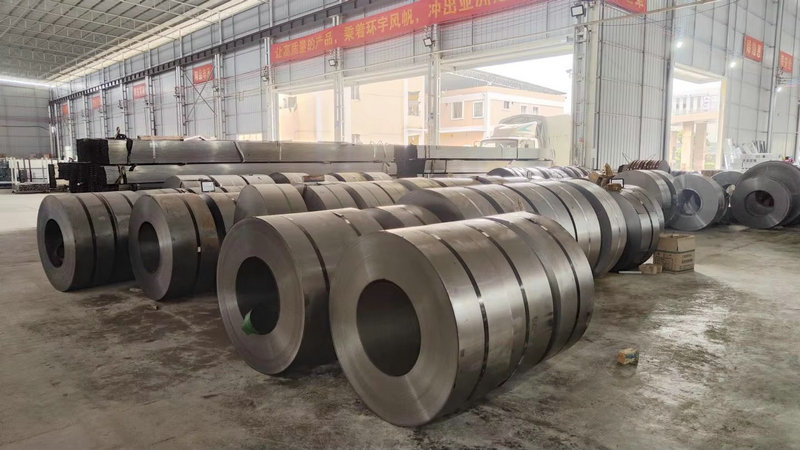
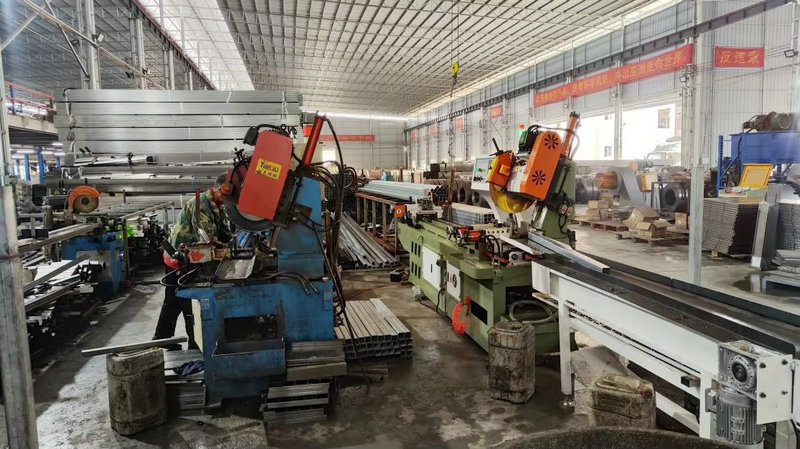
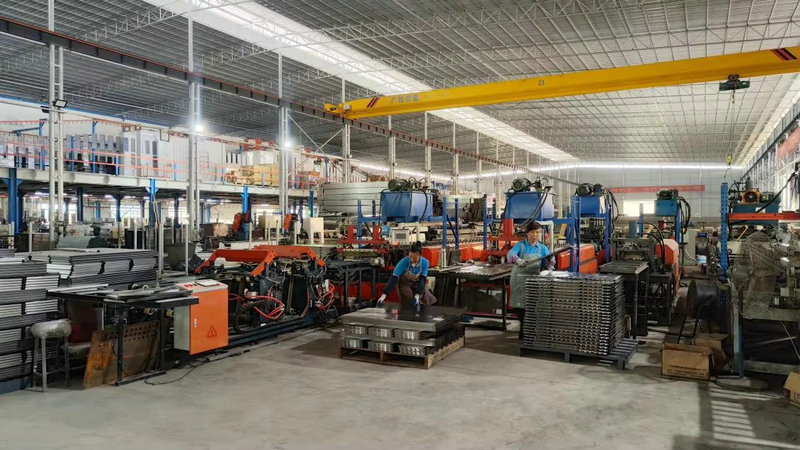
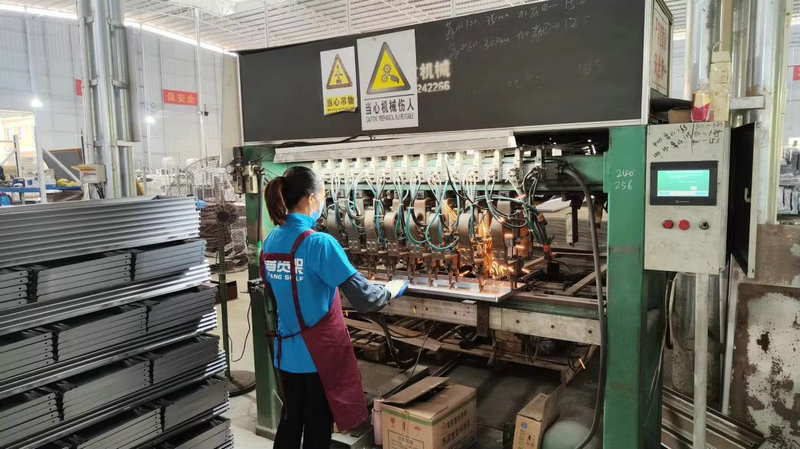
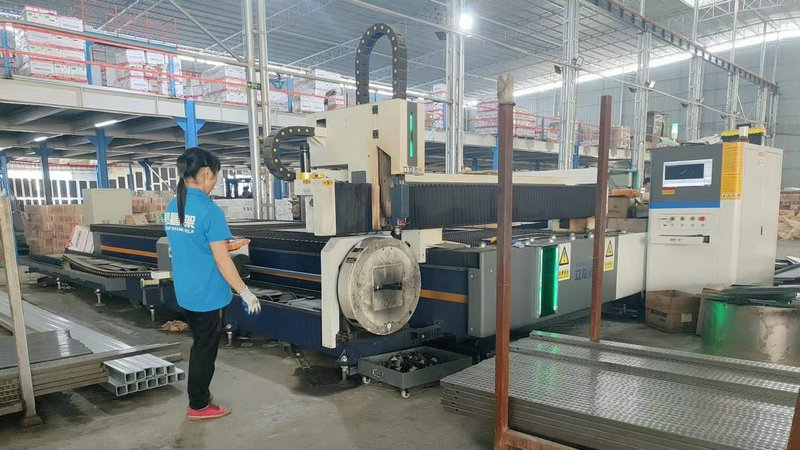
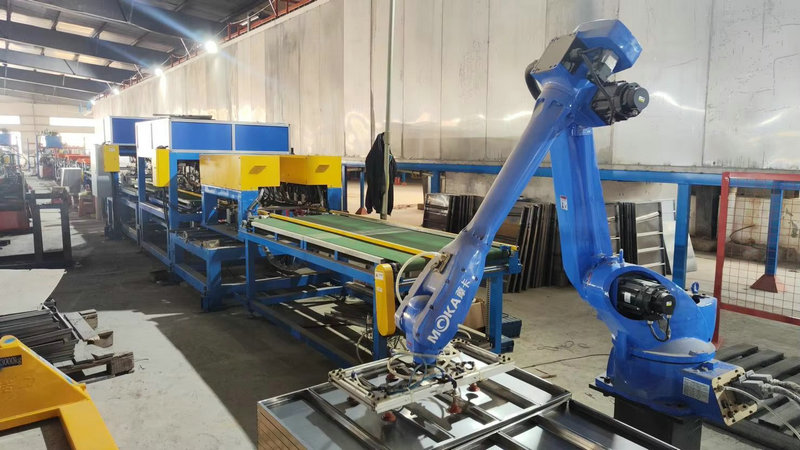
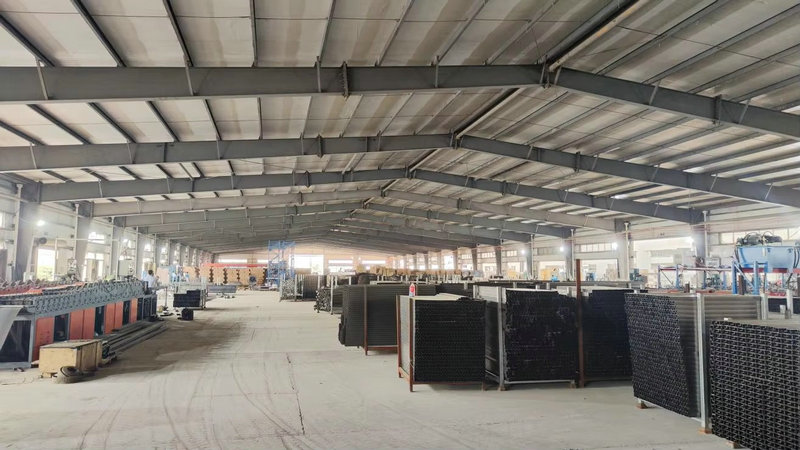
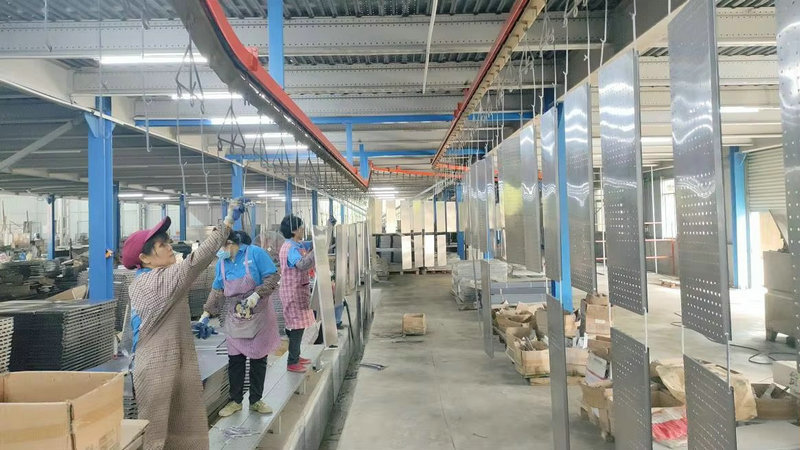
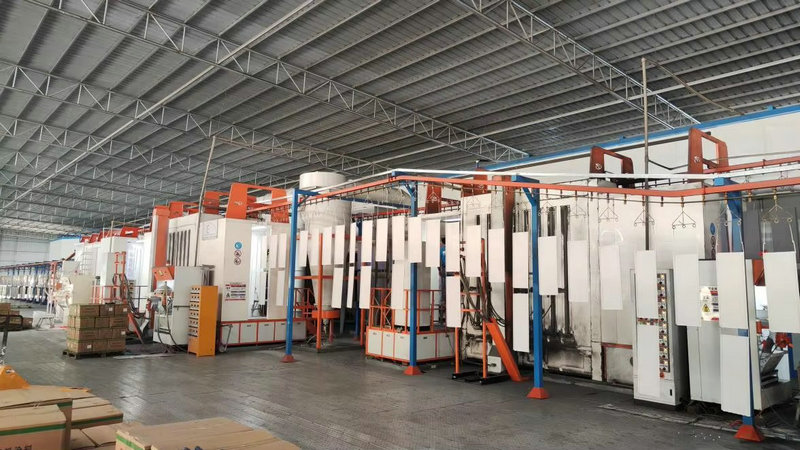
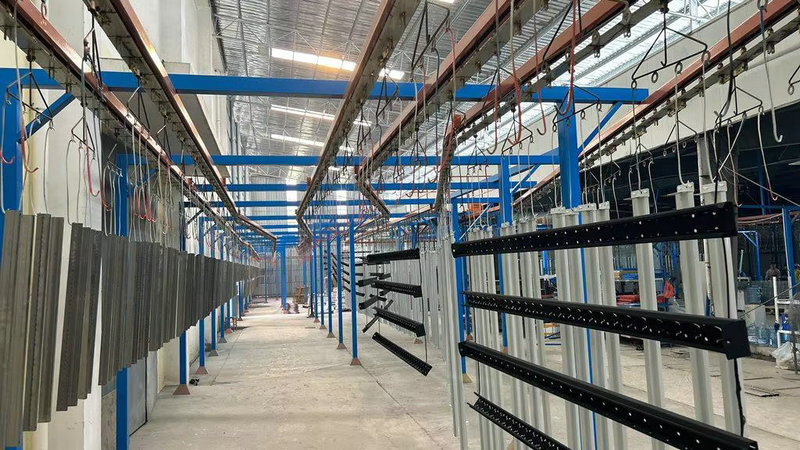
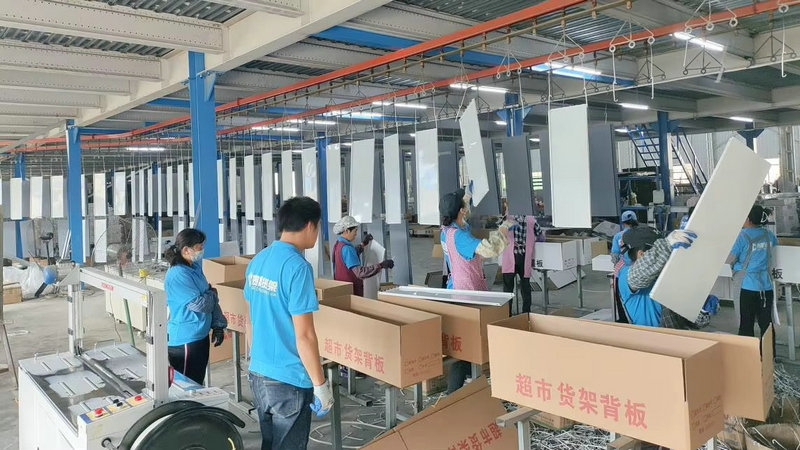
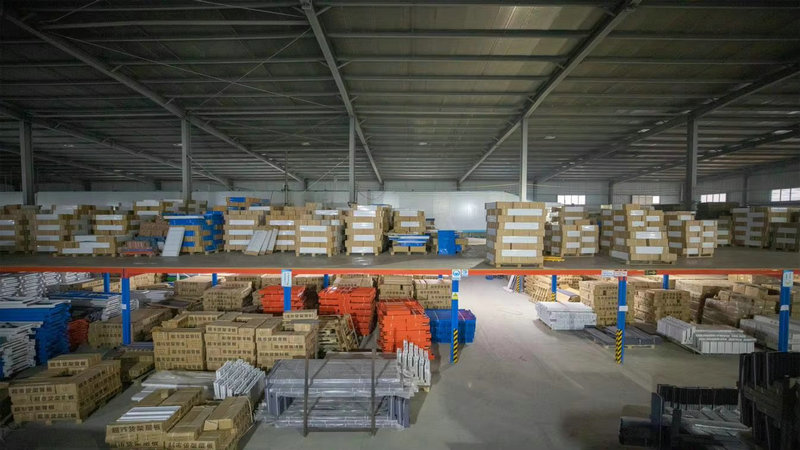
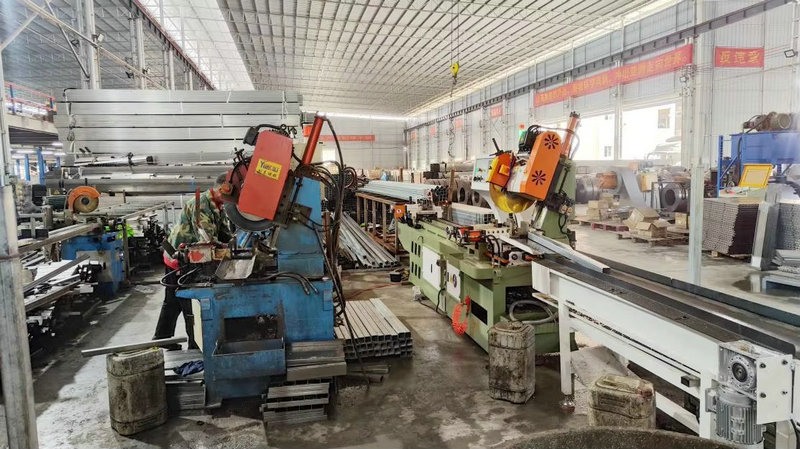
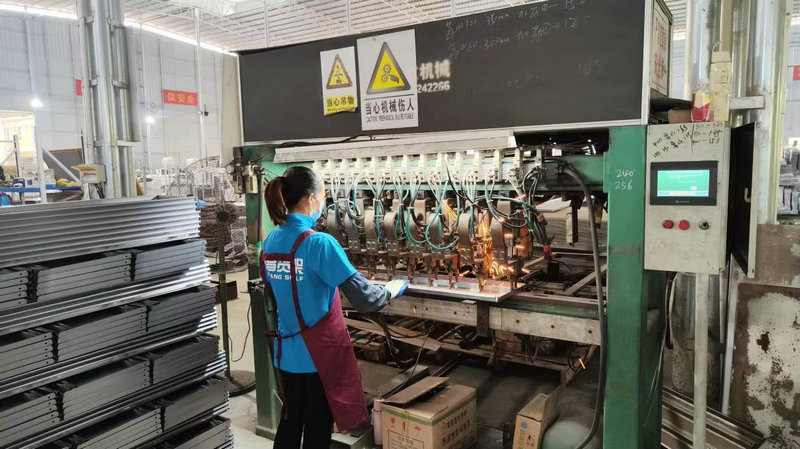
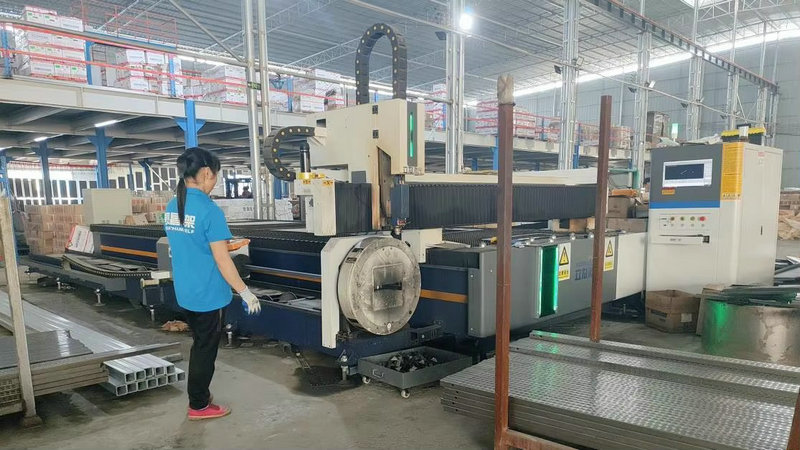
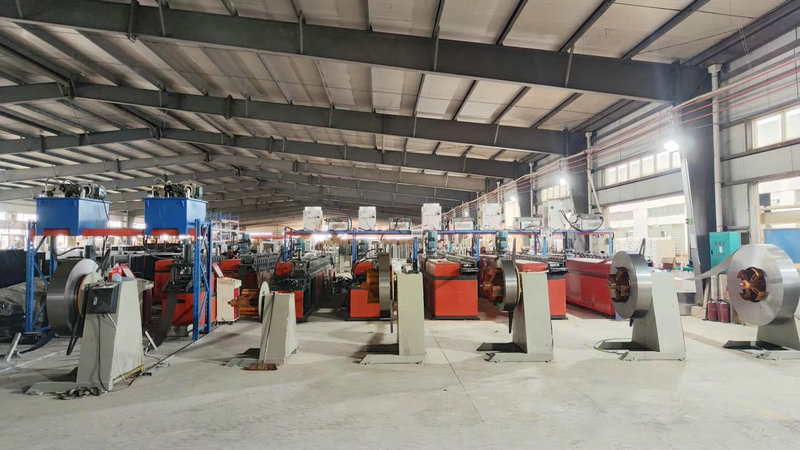
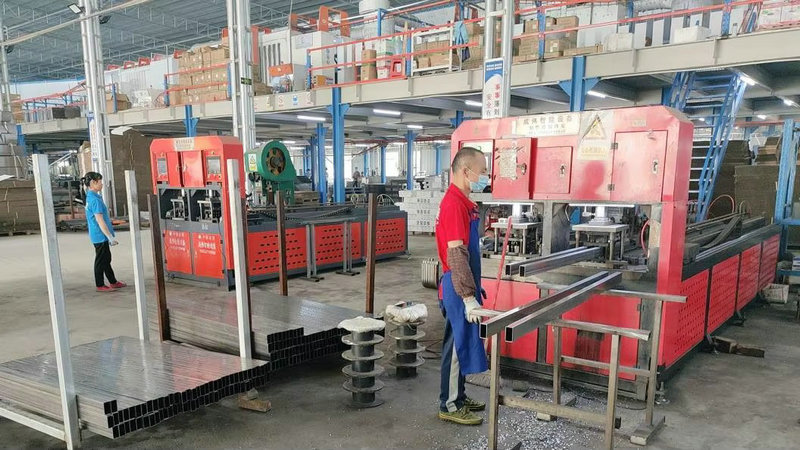
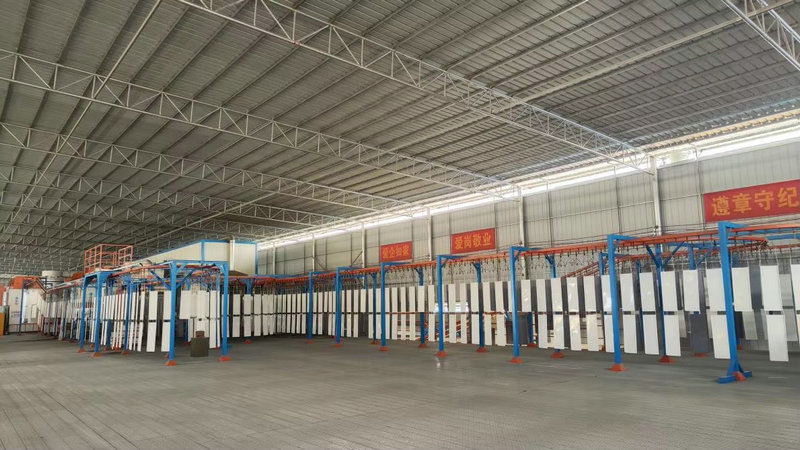
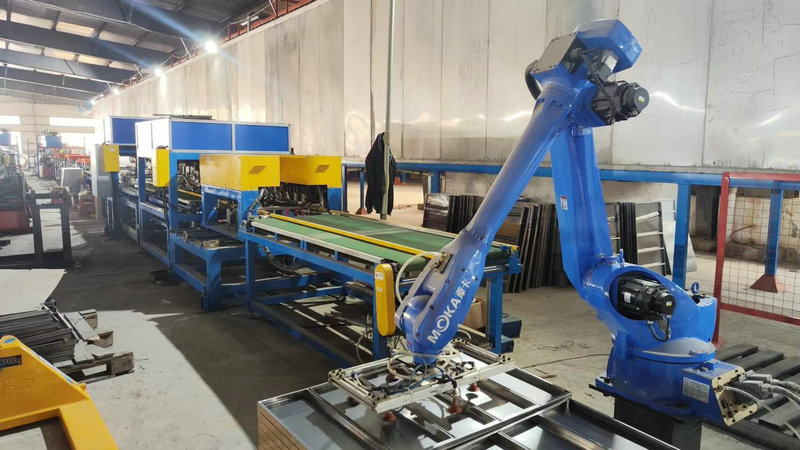
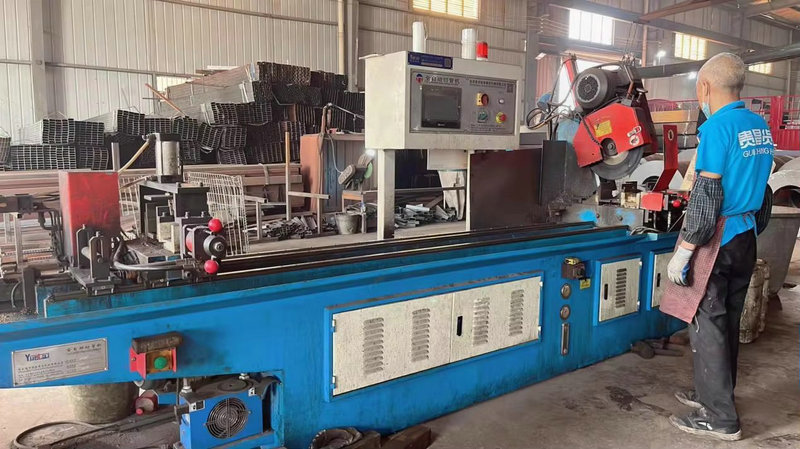
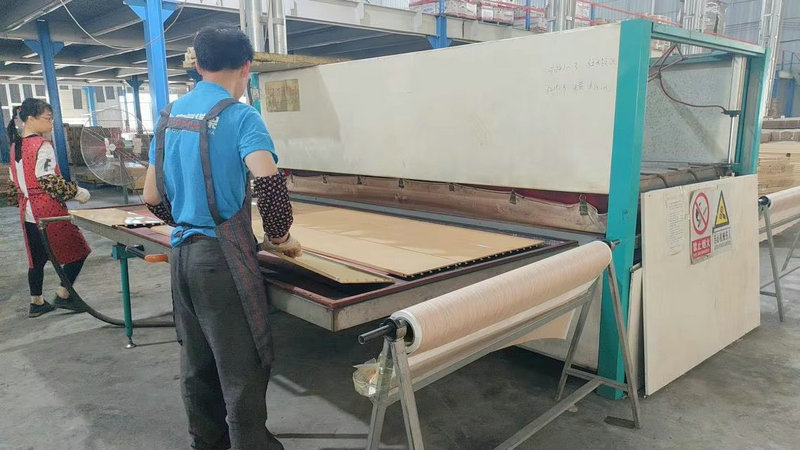
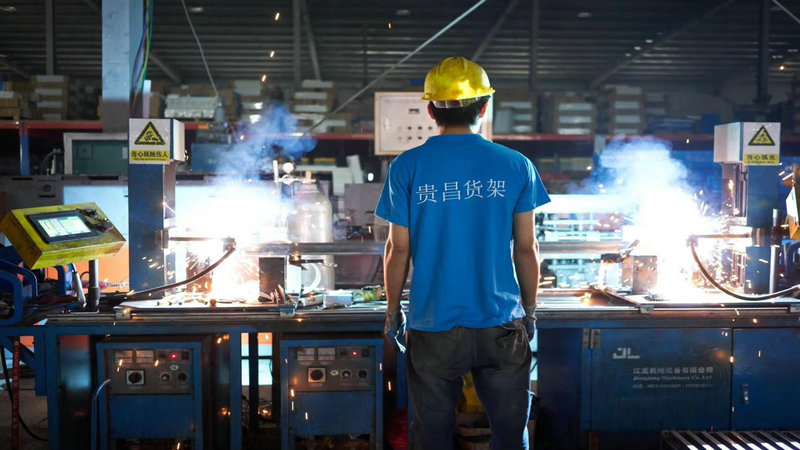
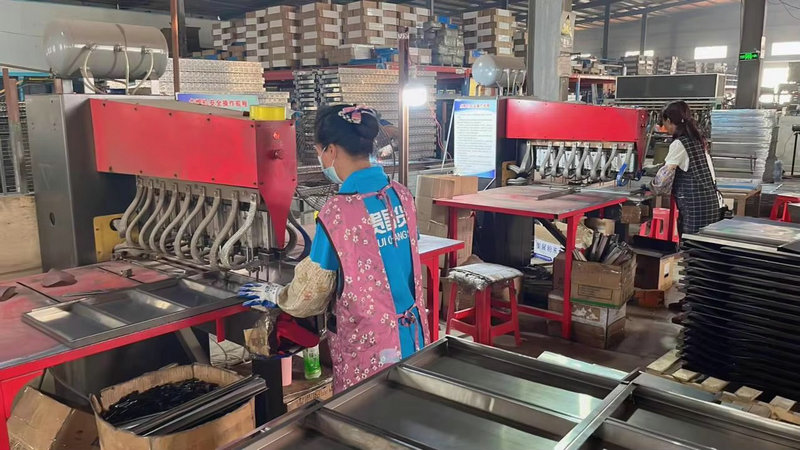
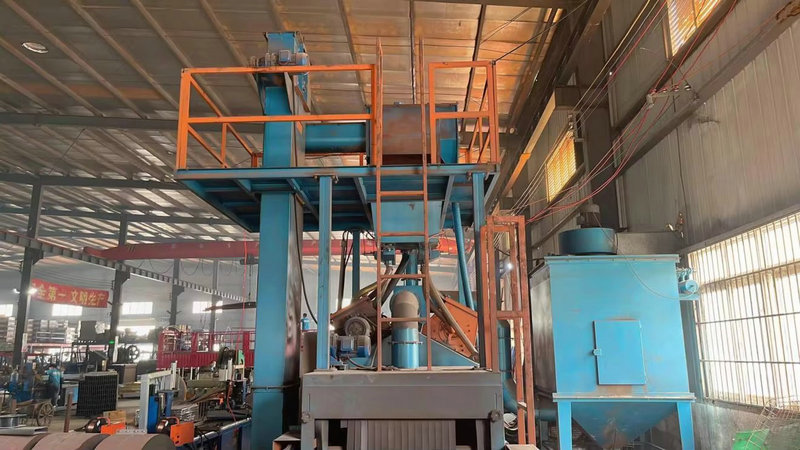
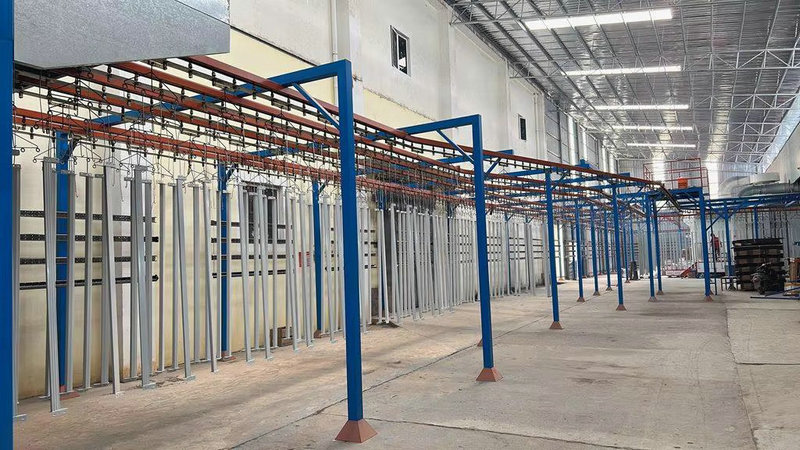
Analyzing structural load configurations and optimization methods for various storage environments.
Cantilever storage systems must be customized to suit the structural requirements of each specific facility. Column heights, arm lengths, and load capacities are configured based on target product characteristics and local climate factors, such as seismic activity and wind load values for outdoor yards.
Lumber packs are susceptible to sagging and bending if not supported correctly. Continuous horizontal load supports allow timber bundles to be stacked without bowing. In these applications, cantilever systems typically utilize wide, inclined arms with end stops to prevent round timber logs or packs from sliding off. This design helps minimize wood product deformation and reduces structural stress on the frame.
PVC conduits, steel gas pipes, and aluminum extrusions are long, flexible, and easily damaged. Racking systems designed for these products use adjustable arm configurations with plastic liners to prevent metal-on-metal contact. This protective design maintains surface finish quality during loading and retrieval operations.
Heavy tooling fixtures, vehicle drive shafts, and engine blocks require stable, heavy-duty storage. For these components, heavy structural steel columns are utilized. These columns are engineered to support both the static dead load of the inventory and the dynamic loads generated by forklift interactions.
Future-proofing warehouse systems through structural design and smart inventory integration.
The design of industrial storage is shifting from passive steel frame racks toward integrated, responsive storage structures. Our engineering division works to combine traditional structural design with modern logistics technologies:
Expert answers regarding structural configurations, safety regulations, and manufacturing options.
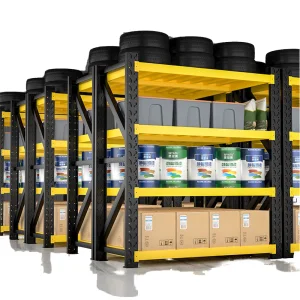
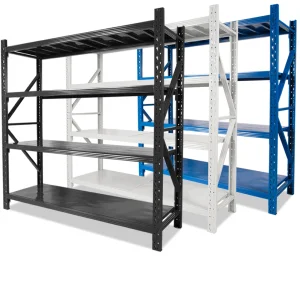
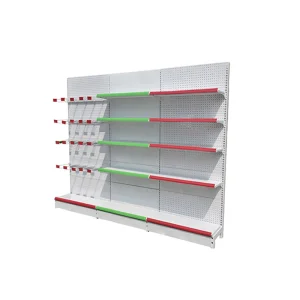
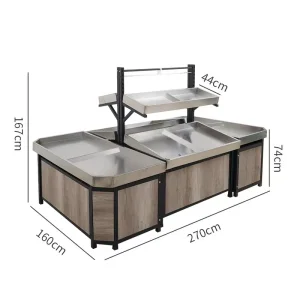
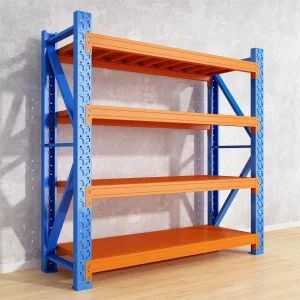
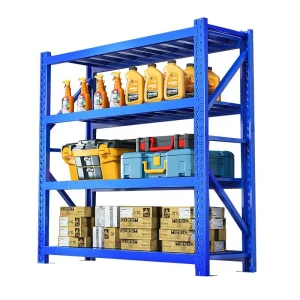
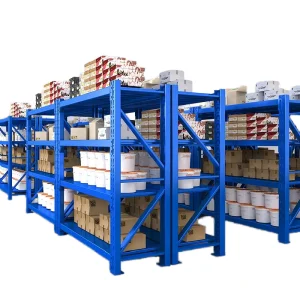
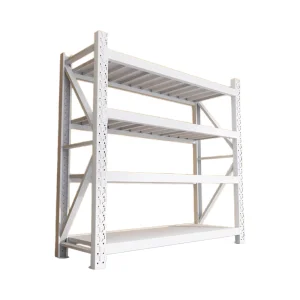
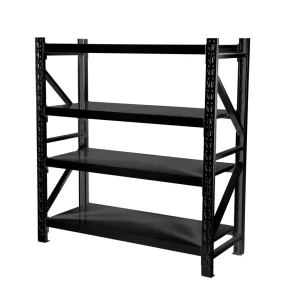
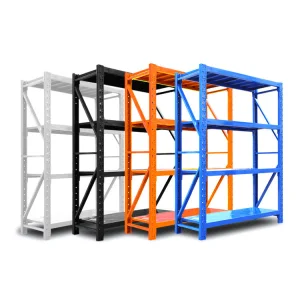
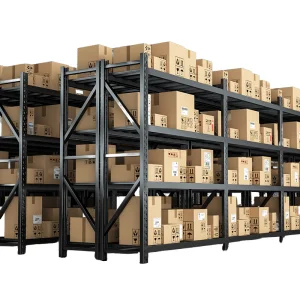
Heavy-duty designs, adjustable metal frames, and specialized commercial layouts designed to maximize space and efficiency.
 Guichang Metal Racks