What Are the Top China Stacking Systems for Global Buyers?

Time:2026-10-25 Author:Henry
0%

For global buyers, China’s Stacking Systems market offers far more than low-cost warehouse equipment. It includes selective pallet racks, drive-in racks, shuttle systems, mezzanines, and automated storage solutions. Each option serves a different operating reality. A cold-storage facility needs corrosion resistance and stable load performance. An e-commerce warehouse needs speed, access, and flexible picking lanes.

Yossi Sheffi, a leading supply-chain expert, has said, “Supply chains are the backbone of the global economy.” His observation explains why storage design deserves careful attention. A rack failure can damage goods, delay shipments, and interrupt customer service. Therefore, this guide examines Chinese suppliers through practical criteria, including steel quality, welding consistency, load calculations, surface treatment, installation support, and after-sales communication. These details matter more than attractive product images.

The strongest Stacking Systems are not always the cheapest. They fit the building, pallet size, traffic pattern, and local safety expectations. Buyers should request drawings, material specifications, test records, and references from comparable projects. Factory audits can reveal details that brochures hide, such as uneven welds or weak packaging. Small details matter.

Still, no comparison is perfect. Supplier data may be incomplete, and project conditions can change after installation. This review therefore treats rankings as guidance, not a final decision. It highlights promising China-based systems while encouraging buyers to verify performance independently. Reliable procurement requires technical judgment, clear documentation, and a willingness to question convenient answers.
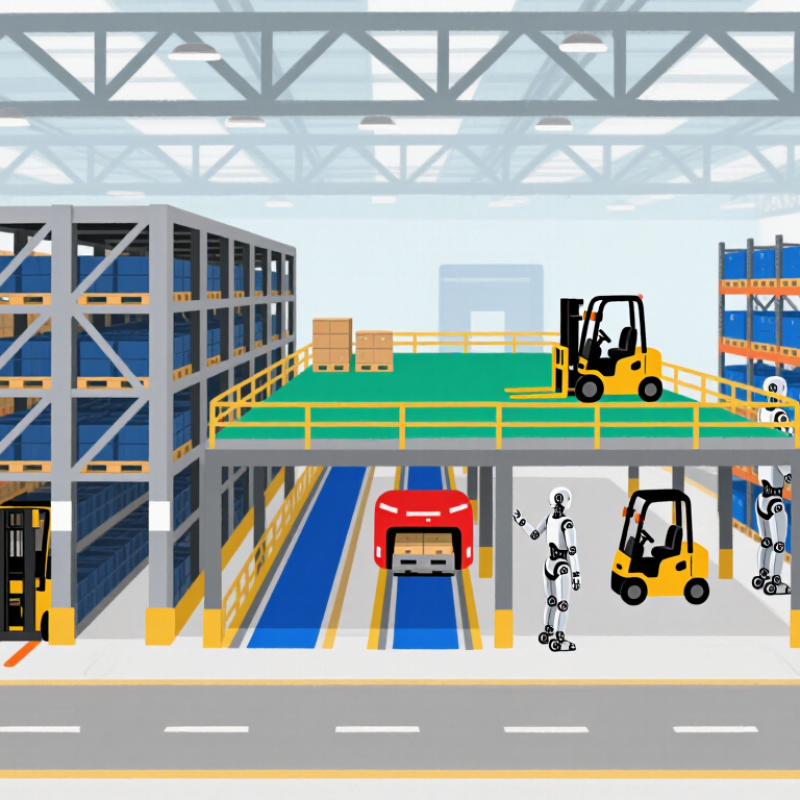
What Are the Top China Stacking Systems for Global Buyers?

What Are China Stacking Systems and How Do They Work?

China stacking systems are warehouse equipment designed to lift, position, and store goods vertically. They commonly include pallet stackers, mobile racking, and automated storage units. Each system uses a frame, lifting mechanism, load supports, and control components. The configuration depends on pallet size, warehouse height, floor condition, and operating speed.

A manual or electric stacker raises a pallet with forks attached to a vertical mast. Hydraulic pressure or an electric actuator creates the lifting force. The operator controls movement through a handle, platform, or onboard panel. Sensors can limit travel, detect obstacles, and reduce overload risks. In automated models, software assigns storage locations and guides the machine between aisles.

Practical inspection matters. Check weld quality, mast alignment, wheel durability, battery access, and emergency controls. Request load charts based on real load centers, not ideal laboratory conditions. A 1,000-kilogram rating may fall sharply when the load extends forward. That detail is often missed.

Global buyers should also verify documentation, electrical compatibility, operator training, spare-part access, and local safety requirements. Factory photographs help, but they cannot replace a live inspection or sample test. Communication can still be imperfect. Technical terms may be translated inconsistently, so drawings and acceptance criteria should be written clearly. In my experience, a cheaper system can become expensive when aisle measurements, floor strength, or maintenance routines are underestimated. Small details matter.

Which Types of Stacking Systems Are Made in China?

China manufactures several practical stacking systems for warehouses, factories, and distribution centers. Selective pallet racking is widely used because forklifts can reach each pallet directly. Drive-in racking increases storage density for similar products. Push-back racking supports several pallets per lane and reduces aisle space. Cantilever systems suit long materials, such as steel tubes, timber, and aluminum profiles.

Automated storage and retrieval systems are also made in China. They combine racks, conveyors, lifts, and warehouse software. These systems can improve inventory accuracy, but they require careful integration. Carton flow racks support fast picking for small cartons. Mobile racking uses motorized bases and can create more usable floor space. In my experience, the best choice depends on pallet size, turnover rate, ceiling height, and fire-safety requirements. No system is perfect. A high-density layout may slow picking if access is poorly planned.

Tips: Ask for load tests, material certificates, installation drawings, and a clear warranty. Measure pallet dimensions, not only their stated weight. Request a sample bay when possible. Check beam deflection, weld quality, surface coating, and safety locks. Local building codes can differ, so independent engineering review is wise. I once saw a layout fail because aisle width was measured without considering forklift turning space. Small details matter. A reliable manufacturer should explain maintenance intervals, replacement parts, and inspection procedures in plain language.

How Do China’s Leading Stacking Systems Compare?

China’s leading stacking systems differ mainly in density, access, and automation. Selective pallet racking offers direct access to every pallet. It suits warehouses with many product types and frequent picking. Drive-in systems store more pallets in less floor space. However, they reduce access and require consistent pallet sizes. Automated systems improve inventory accuracy through sensors, software, and guided movement. They also demand stronger maintenance planning and trained technicians.

In practical warehouse assessments, frame quality is only one comparison point. Buyers should examine load capacity, beam deflection, surface treatment, installation accuracy, and replacement-part availability. A lower purchase price may hide higher installation or service costs. Some systems perform well in controlled conditions but struggle with uneven floors or changing inventory. That weakness is easy to overlook. Reliable suppliers should provide structural calculations, inspection records, clear tolerances, and documentation aligned with the destination market’s requirements.

Tips: Compare systems using your real pallet dimensions, not sample data. Ask for a full layout with aisle widths, rack heights, emergency clearances, and expected throughput. Test software compatibility before ordering automated equipment. Request references from warehouses with similar temperatures, loads, and operating hours. Also, inspect one installed project when possible. Photos rarely reveal alignment problems, noisy conveyors, or difficult maintenance access. A cautious evaluation may feel slower, but it often prevents expensive redesigns.

What Standards Should Global Buyers Evaluate?

When evaluating China stacking systems, global buyers should begin with measurable safety standards. Check the rated load per level, stacking height, base stability, and allowable deflection. These figures must match your real warehouse conditions, not only the catalogue. Ask for material grades, welding procedures, surface-treatment details, and batch inspection records. A certificate alone is not proof.

Dimensional accuracy also matters. Measure pallet openings, fork access, frame thickness, and connection tolerances. Small errors can create leaning stacks or difficult handling. Request testing against relevant international standards, such as EN 15635 where applicable, and confirm compliance with local workplace regulations. Suppliers should provide drawings, installation instructions, warning labels, and traceable quality records. Independent pre-shipment inspection adds useful protection, especially for first orders.

Tips: Ask for a sample unit or trial installation. Load it gradually and observe movement, noise, and floor pressure. Compare the test setup with your actual pallets. Do not rely on photographs. Keep written approval for every design change. My own review would include more attention to warehouse floor condition; buyers sometimes focus on steel strength and overlook uneven concrete. That oversight can affect the entire system.

What Are the Top China Stacking Systems for Global Buyers?

Global buyers should evaluate stacking systems by safety, load performance, regulatory alignment, durability, automation readiness, and documentation rather than by price alone.

Evaluation model: Suggested screening weights for comparing China-made stacking solutions. Buyers should verify the applicable requirements in standards such as EN 15635, ANSI MH16.1, AS 4084, ISO 9001, ISO 14001, ISO 45001, and IEC 60204-1 before purchase.

How Can Buyers Select the Right Chinese Supplier?

Selecting a Chinese stacking-system supplier requires more than comparing quoted prices. Define the load first: pallet dimensions, maximum weight, aisle width, ceiling height, and daily cycles. A supplier should provide verified calculations for stability, braking distance, lifting speed, and emergency stopping. Ask for test videos, factory acceptance records, and references from installations handling similar loads. Photographs alone prove very little.

Industry data gives useful context. The International Federation of Robotics reported 276,288 industrial robot installations in China during 2023, representing 51% of global installations. This indicates strong manufacturing depth, but it does not guarantee every supplier has warehouse expertise.

The World Bank’s 2023 Logistics Performance Index gave China a score of 3.7, ranking it 19th globally. Buyers should still examine export packing, spare-parts planning, and technical response times.

Request a complete bill of materials, component origins, software functions, and warranty limits. Confirm compliance with relevant machinery and electrical safety standards in the destination market. A capable supplier will explain what happens when a sensor fails at 2 a.m. Insist on a sample-based inspection before shipment, including weld quality, wheel alignment, load testing, and control-panel labeling. Factory visits help, but they can become carefully staged performances. I would not rely on one visit. Compare at least three suppliers, contact previous buyers directly, and place measurable service levels in the contract. Cheap equipment may become expensive when integration drawings are incomplete or replacement parts arrive slowly.

FAQS

How do selective, drive-in, and automated stacking systems differ?

Selective racks give direct access to every pallet. They suit varied products and frequent picking. Drive-in racks save floor space but reduce access. They also require consistent pallet sizes. Automated systems improve tracking through sensors and software. They need skilled technicians and planned maintenance. No system is perfect.

Which measurements should buyers provide before requesting a quotation?

Provide pallet length, width, height, and maximum weight. Include aisle width, ceiling height, and daily operating cycles. Use real pallet dimensions, not sample data. A small size error can affect fork access. Also report floor conditions and expected throughput.

What technical details should buyers compare between systems?

Compare load capacity, beam deflection, frame thickness, surface treatment, and installation accuracy. Check connection tolerances and base stability. Ask about replacement-part availability. A low price may hide higher service costs. That detail is easy to miss.

How can buyers evaluate structural and workplace safety?

Request rated loads, stacking heights, allowable deflection, and stability calculations. Confirm that figures match actual warehouse conditions. Catalogue data may be too optimistic. Check relevant international standards, including EN 15635 where applicable. Local workplace rules still matter.

What documents should a reliable supplier provide?

Request structural drawings, installation instructions, warning labels, and traceable inspection records. Ask for material grades, welding procedures, surface-treatment details, and batch records. Certificates help, but they do not prove everything. Keep written approval for design changes.

How should buyers inspect a sample or trial installation?

Load the sample gradually with actual pallets. Observe movement, noise, wheel alignment, and floor pressure. Check emergency clearances and maintenance access. Photos rarely show leaning frames or noisy conveyors. Test it properly.

How can buyers assess an automated system before ordering?

Test software compatibility with existing warehouse systems. Confirm sensor functions, control-panel labeling, and emergency stopping. Ask what happens when a sensor fails during night operations. Review lifting speed, braking distance, and recovery procedures. Integration drawings need careful checking.

How should buyers select and compare potential suppliers?

Compare at least three suppliers using the same technical requirements. Contact previous buyers with similar loads and operating hours. Request factory acceptance records, test videos, spare-parts plans, and response times. An inspection before shipment can reveal weak welds or poor alignment. Factory visits can be staged. I would not rely on one visit.

Conclusion

China Stacking Systems cover a broad range of automated and semi-automated solutions designed to store, organize, and retrieve goods efficiently in warehouses, distribution centers, and industrial facilities. They may include pallet stackers, automated storage and retrieval systems, shuttle-based solutions, vertical lift units, and customized robotic equipment. These systems generally work by combining storage structures, lifting or conveying mechanisms, sensors, control software, and safety devices to improve space utilization, handling speed, and inventory accuracy.

For global buyers, comparing Chinese Stacking Systems requires more than reviewing price. Important factors include load capacity, storage height, operating speed, energy efficiency, software compatibility, maintenance requirements, customization ability, and overall system reliability. Buyers should also evaluate compliance with applicable international safety and electrical standards, documentation quality, testing procedures, installation support, spare-parts availability, and after-sales service. Selecting the right supplier involves checking manufacturing capabilities, quality-control processes, project experience, communication efficiency, lead times, warranty terms, and the supplier’s ability to provide a complete, stable solution for the buyer’s specific warehouse needs.

Henry

Henry

Henry is a dedicated marketing professional with a profound expertise in the company's offerings. With years of experience in the industry, he possesses an impressive understanding of the market dynamics and consumer behaviors that drive success. Henry is committed to sharing his insights through......