Top ASRS Systems in China for Global Buyers?

Time:2026-08-10 Author:Liam
0%

As the logistics landscape evolves, Automated Storage and Retrieval Systems (ASRS Systems) have gained significant traction globally, particularly in China. According to recent industry reports, the ASRS market in China is projected to exceed $3 billion by 2025, fueled by rapid urbanization and the growth of e-commerce. This growth highlights the demand for efficient warehousing solutions among global buyers.

In China's competitive market, several ASRS Systems stand out due to their technological innovation and reliability. For instance, integration of AI and IoT in ASRS Systems enhances operational efficiency, reducing labor costs and improving inventory accuracy. However, some systems still face challenges related to scalability and integration with existing infrastructure. Understanding these nuances is crucial for buyers seeking optimal solutions.

Furthermore, the diversity of ASRS Systems available in China provides a range of options. Each system presents unique features and potential drawbacks. Buyers must evaluate these systems closely to identify the best fit for their specific needs. This report aims to shed light on the top ASRS Systems in China, offering insights for global buyers navigating this complex landscape.
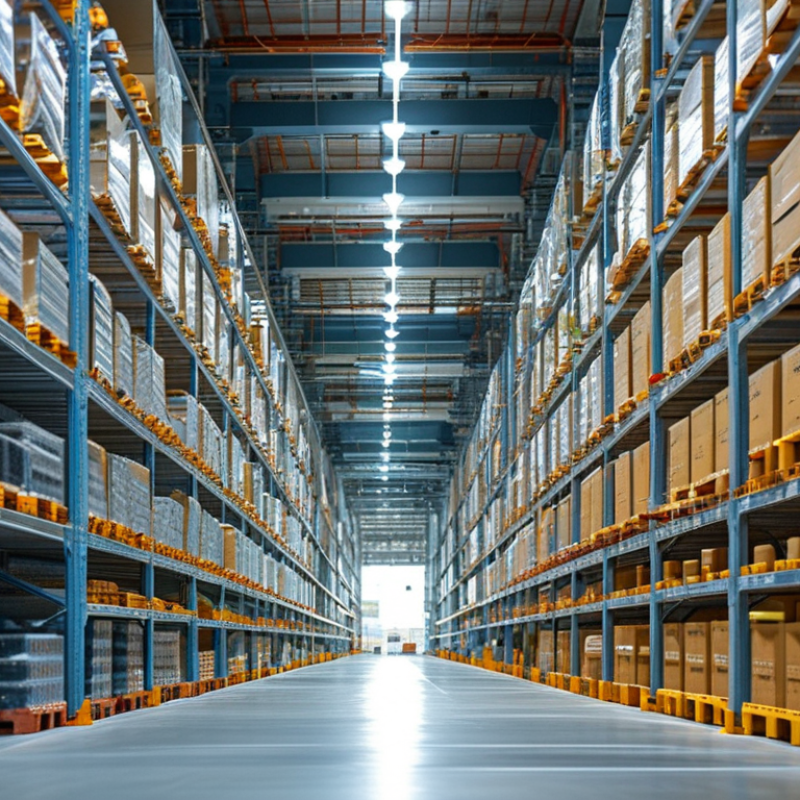
Top ASRS Systems in China for Global Buyers?

Overview of ASRS (Automated Storage and Retrieval Systems)

Automated Storage and Retrieval Systems (ASRS) are revolutionizing warehouse operations globally. In China, ASRS technology is rapidly advancing, driven by increasing demand for efficiency and space optimization. According to a 2023 market report by the China Federation of Logistics and Purchasing, the ASRS market in China reached a value of over $3 billion and is projected to grow at a CAGR of 15% through 2028.

ASRS offers significant benefits. It reduces labor costs and improves inventory accuracy. Advanced systems can retrieve items within seconds, minimizing delays. However, adoption is not without challenges. Integration with existing systems can be complex, and initial costs may deter smaller businesses. For instance, a 2022 study highlighted that 36% of companies faced integration issues when deploying ASRS. This reflects the need for careful planning and expert consultation.

Data from Statista indicates that automated solutions can lead to a reduction in operational costs by up to 30%. Yet, successful implementation requires more than just technology. Training staff and ongoing support are crucial for long-term success. Organizations must also be prepared to adapt their processes to maximize system capabilities. The balance between investment and return is often contested in the ASRS landscape.

Overview of ASRS (Automated Storage and Retrieval Systems) in China

Key Players in China's ASRS Market

China's Automated Storage and Retrieval Systems (ASRS) market is growing rapidly. According to a recent report, the market is expected to reach approximately $3 billion by 2025. This surge reflects increasing demand for efficient warehousing solutions. With e-commerce booming, companies often struggle with inventory management. ASRS presents a viable solution.

Key players in China's ASRS market are innovating constantly. They focus on enhancing technology and improving efficiency. Systems are becoming smarter, integrating AI and IoT for better functionality. More than 70% of warehouses are investing in automation to keep up. However, some industries face challenges, such as high initial costs and integration issues with existing infrastructure.

Many companies report mixed results after implementing ASRS. Some enjoy increased accuracy and reduced labor costs. Others, however, encounter maintenance difficulties or workforce resistance. The learning curve can be steep. Not all ASRS solutions fit every customer's needs, leading to potential mismatches in efficiency. Addressing these concerns is crucial for long-term success in the ASRS landscape.

Technological Innovations in Chinese ASRS Solutions

The landscape of automated storage and retrieval systems (ASRS) in China is witnessing rapid technological advancements. These innovations focus on enhancing efficiency and integration into smart manufacturing. Chinese ASRS solutions are increasingly capable of real-time inventory management. This feature minimizes errors and optimizes the supply chain.

Moreover, recent developments in artificial intelligence and robotics are transforming operations. Autonomous mobile robots (AMRs) and collaborative robots (cobots) are now common in warehouses. These machines seamlessly interact with existing systems, elevating productivity. However, the technology is not flawless. Some users report difficulties in integration with legacy systems. This could discourage smaller companies from adopting such innovations.

Additionally, energy efficiency is becoming a primary concern. ASRS solutions are designed to consume less power while maintaining performance. However, the initial investment can be a barrier for many firms. It’s essential for companies to evaluate the long-term benefits versus upfront costs. As the industry evolves, continuous feedback from users will be crucial for improvement.

Benefits of ASRS for Global Buyers

Automated Storage and Retrieval Systems (ASRS) are gaining popularity among global buyers, especially in China. These systems offer significant advantages for inventory management and warehouse operations. One primary benefit is the increased efficiency they bring. By automating storage, businesses can reduce retrieval times. This leads to faster order fulfillment and satisfied customers.

Another advantage lies in space optimization. ASRS can stack goods vertically, making better use of warehouse space. For companies facing high rent or limited space, this is crucial. Additionally, these systems minimize human error. Automated processes ensure accuracy in inventory management. However, it’s important to recognize some challenges, such as the initial investment costs. Some buyers may hesitate due to financial constraints.

Training staff to operate these systems can also be complex. A robust training program is essential for smooth integration. As with any technology, companies must evaluate the long-term benefits against the upfront costs. Overall, understanding the potential pros and cons of ASRS is vital for global buyers seeking efficiency in their operations.

Top ASRS Systems in China for Global Buyers

System Type Storage Capacity Speed (Items per Hour) Integration Capability Market Segment
Unit Load ASRS Up to 10,000 pallets 100-400 ERP, WMS Manufacturing, Retail
Mini Load ASRS Up to 5,000 totes 200-800 ERP, MES E-commerce, Pharmaceuticals
Shuttle System ASRS Up to 8,000 pallets 150-600 WMS Food, Beverage
Carousels ASRS Up to 2,000 bins 100-300 ERP, WMS E-commerce, Retail

Future Trends in ASRS Development in China

In recent years, Autonomous Storage and Retrieval Systems (ASRS) in China have evolved rapidly. This development is driven by the need for efficiency in logistics and warehousing. With e-commerce booming, companies seek innovative solutions to manage inventory. ASRS technology optimizes space and reduces labor costs.

Experts predict that integration with artificial intelligence will be a significant trend. AI can enhance decision-making and improve the adaptability of ASRS. This change allows systems to learn from past operations, refining their processes over time. However, challenges remain, such as the initial investment and the need for skilled technicians to manage these systems.

**Tip:** Always assess your specific needs before investing in ASRS. Understand how these systems can fit into your current operations.

Another trend is modular designs, allowing businesses to expand their ASRS as necessary. Flexibility is key in today’s market. Compatibility with existing technologies is crucial for seamless integration. Yet, not all systems are created equal, and mismatched technologies can lead to complications.

**Tip:** Consider the long-term scalability of your ASRS to avoid costly upgrades in the future.

Overall, while the future for ASRS in China looks promising, careful consideration of the latest trends and challenges is essential for successful implementation.

FAQS

: What is the current trend in China's

SRS market?

Why are companies turning to ASRS?

Companies face inventory management challenges due to booming e-commerce, making ASRS a viable solution.

What technological advancements are seen in ASRS?

Innovations include real-time inventory management and integration of AI and robotics to enhance efficiency.

What are the main benefits of implementing ASRS?

Benefits include increased efficiency, reduced retrieval times, and minimized human error in inventory management.

Are there challenges associated with ASRS implementation?

Yes, high initial costs and integration issues can deter companies, especially smaller ones.

How important is staff training for ASRS success?

Training is crucial. A robust program helps ensure smooth integration and operational efficiency.

What concerns arise regarding energy efficiency in ASRS?

While designed for lower power consumption, the initial investment may deter many firms from adoption.

Can ASRS systems meet every company's needs?

Not all ASRS solutions fit every business, which can lead to mismatches in efficiency.

What feedback do companies provide about ASRS effectiveness?

Results vary; some see accuracy and labor cost reductions, while others face maintenance issues.

How should companies evaluate ASRS investments?

Companies must weigh long-term benefits against upfront costs, considering both pros and cons.

Conclusion

The article titled "Top ASRS Systems in China for Global Buyers?" provides a comprehensive overview of Automated Storage and Retrieval Systems (ASRS) and their growing significance in various industries. It highlights key players in China's ASRS market, showcasing the competitive landscape and the innovative technologies that are shaping the sector. The technological innovations presented in Chinese ASRS solutions highlight advancements that enhance efficiency, accuracy, and integration with other automated systems.

Furthermore, the article discusses the numerous benefits of ASRS systems for global buyers, including cost-effectiveness, space optimization, and improved inventory management. As the demand for automated solutions continues to rise, future trends indicate a shift towards smarter, more adaptable ASRS systems, driven by advancements in artificial intelligence and machine learning. This positions China's ASRS offerings at the forefront of global supply chain solutions.

Liam

Liam

Liam is a dedicated marketing professional with a profound expertise in the industry, where he excels at highlighting the unique advantages of our core products. With a keen understanding of market trends and consumer needs, Liam frequently updates our company’s professional blog, providing......