China’s boltless systems market includes manufacturers serving warehouses, retail stores, workshops, archives, and industrial facilities. This guide examines ten notable suppliers with practical buying criteria, not unverified popularity claims. Each company should be assessed through product evidence, factory capability, and customer experience.
The review considers frame strength, steel thickness, surface coating, shelf adjustment, assembly speed, and stated load capacity. Product photographs can help, but test reports and technical drawings provide stronger evidence. Details matter. Buyers should also check production lead times, packaging quality, spare-part support, and communication during custom orders. A supplier may offer attractive prices while lacking consistent quality control. That risk deserves attention.
Where available, the discussion will reference factory experience, export markets, certifications, inspection practices, and application examples. A reliable manufacturer should explain how its Boltless Systems perform under realistic warehouse conditions. It should also clarify whether advertised capacities apply to evenly distributed loads. That changes the purchasing decision. Some rankings may shift as factories expand, change ownership, or improve their equipment. Therefore, readers should treat this list as a practical starting point rather than a permanent verdict. Direct audits, sample orders, and independent inspections remain valuable before large commitments. No list is perfectly permanent. The strongest choice depends on the buyer’s storage layout, budget, safety expectations, and local compliance requirements. This approach aims to make the comparison useful, balanced, and easier to verify.
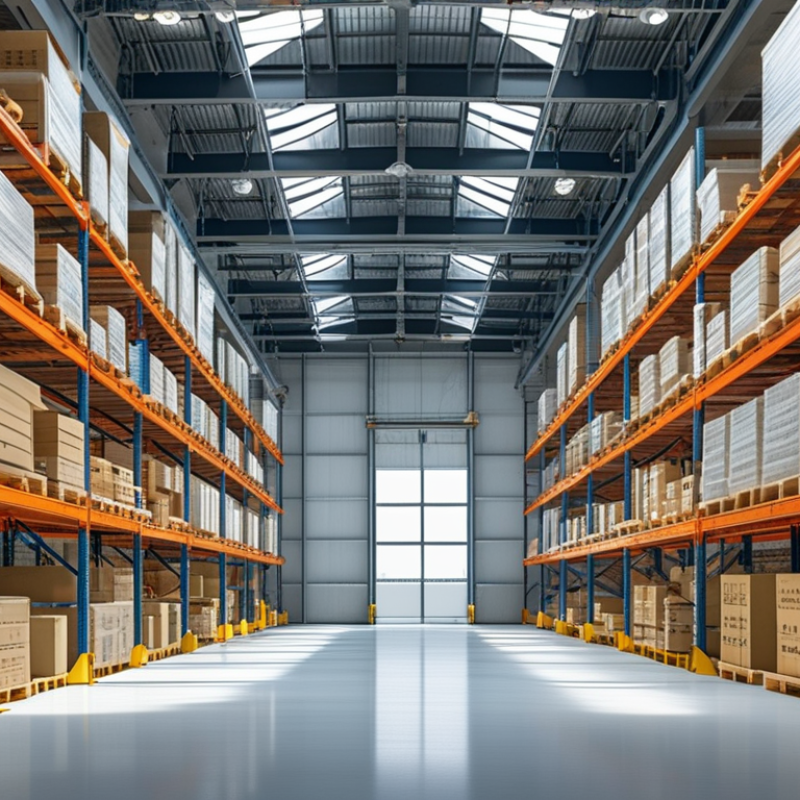
Boltless storage systems are shelving units assembled without nuts, bolts, or welding. Their frames use upright posts, horizontal beams, and clip-in connectors. Shelves usually rest on beams or fit into slotted supports. A rubber mallet often completes the installation.
This structure makes storage practical in warehouses, workshops, archives, and utility rooms. Workers can adjust shelf heights as inventory changes. A box of tools may need more clearance than a carton of documents. Boltless designs handle that change with minimal equipment and limited downtime. In my experience, accurate measurements matter more than fast assembly. An uneven floor can make a stable-looking rack wobble. Adjustable feet or shims can correct small differences, but they cannot fix every installation error. Check the load rating carefully. It should match the evenly distributed weight, not a single heavy object.
The system works through mechanical locking. When a beam enters a post slot, its connector seats under the slot edge. Weight then presses the joint tighter, provided the frame is assembled correctly. Bracing, level placement, and secure anchoring improve reliability in taller units. Still, “boltless” does not mean maintenance-free. Inspect connectors, uprights, and shelf panels for bending or looseness. That step is easy to overlook. A practical design also leaves walking space and keeps heavy goods near the lower levels. Storage needs change, so a layout that works today may become inefficient later.
Evaluating China’s top boltless systems manufacturers requires more than comparing catalog prices. Start with production experience, material control, and documented testing. Ask how steel thickness is checked before forming. Request mill certificates, coating specifications, and recent load-test records. A reliable factory should explain its process clearly, without hiding behind sales language. Small details matter, such as upright-hole spacing and beam-end fit.
Visit the facility when possible. Observe coil storage, roll-forming lines, welding areas, and final inspection stations. Check whether workers use gauges or rely only on visual judgment. Ask for a sample rack and assemble it on a level floor. The connection should lock firmly, while still allowing practical adjustment. Measure frame dimensions yourself. Do not trust photographs alone. They can look perfect.
Supplier evaluation should also cover packaging, delivery consistency, and technical support. Review how damaged parts, missing components, and design changes are handled. A manufacturer with an engineering team can provide drawings, load calculations, and installation guidance suited to your warehouse. Still, no factory is flawless. I would record weak points, such as slow replies or unclear tolerances, instead of ignoring them. A lower quotation may conceal thinner steel, unstable coating quality, or costly replacement delays. Ask for a pilot order before committing to larger production. Reliability is proven through repeated batches, not one impressive sample.
China’s boltless systems market is led by ten manufacturer groups with strong production records, export experience, and practical warehouse knowledge. The leading positions usually belong to producers specializing in rivet shelving, modular storage racks, garage units, retail fixtures, and light industrial systems. Several also provide custom sizes, powder coating, packaging, and installation guidance.
The strongest manufacturers share visible qualities. They use automated roll forming, inspect steel thickness, and test beam capacity before shipment. Their engineers often adjust shelf spacing for cartons, tools, or archive boxes. Export-ready factories also understand container loading and corrosion protection. Some suppliers maintain ISO-based quality procedures, although certification alone proves little.
Buyer feedback suggests that the best ten are not always the largest ten. A smaller factory may offer better weld consistency and faster sample changes. A large producer may provide steadier volume and stronger tooling support. This ranking remains difficult because many Chinese factories serve distributors under private labels. Public data can also be incomplete.
Before choosing a supplier, request material specifications, load-test reports, inspection photos, and recent project references. Check whether the quoted capacity applies to each shelf or the entire unit. Ask about replacement parts, packaging damage, and installation instructions. These details often reveal more than a polished catalog. My own assessment would remain provisional, because pricing, factory ownership, and export performance can change within one season.
| Rank | Anonymous Manufacturer Profile | Primary Production Hub | Core Boltless System | Typical Shelf Load | Main Material & Finish | Customization Capability | Typical Export Markets | Indicative Lead Time | Market Position |
|---|---|---|---|---|---|---|---|---|---|
| 1 | Manufacturer Profile 01 | Jiangsu, China | Heavy-duty rivet shelving | 200–500 kg | Q235 carbon steel; powder-coated or galvanized | High; upright height, beam length, decking and color options | Europe, North America, Southeast Asia | 20–35 days | Large-scale OEM supplier |
| 2 | Manufacturer Profile 02 | Guangdong, China | Clip-in boltless shelving | 100–300 kg | Cold-rolled steel; electrostatic powder coating | High; modular dimensions and flat-pack packaging | Australia, Middle East, Africa | 18–30 days | Flexible private-label producer |
| 3 | Manufacturer Profile 03 | Zhejiang, China | Medium-duty shelving and workbench systems | 150–400 kg | Rolled steel frame; powder-coated finish | Medium to high; accessories, casters and work surfaces | Europe, Latin America, Asia-Pacific | 25–40 days | Integrated storage-system supplier |
| 4 | Manufacturer Profile 04 | Shandong, China | Heavy-duty steel shelving | 250–600 kg | Q235/Q345 steel; powder coating or hot-dip galvanizing | Medium; reinforced beams and industrial decking | Central Asia, Middle East, Eastern Europe | 25–45 days | Industrial project supplier |
| 5 | Manufacturer Profile 05 | Hebei, China | Rivet rack and warehouse shelving | 200–500 kg | Cold-formed steel; baked powder coating | High; beam profiles, panel types and pallet-compatible layouts | Africa, Southeast Asia, South America | 20–35 days | Cost-efficient export manufacturer |
| 6 | Manufacturer Profile 06 | Fujian, China | Retail and garage boltless shelving | 80–250 kg | Carbon steel; powder-coated surface | High; retail colors, MDF/steel decking and display accessories | North America, Europe, Oceania | 20–30 days | Retail-focused OEM supplier |
| 7 | Manufacturer Profile 07 | Anhui, China | Long-span boltless shelving | 200–450 kg | Structural steel; powder-coated finish | Medium to high; long beams and multi-level configurations | Europe, Middle East, Southeast Asia | 25–40 days | Warehouse-layout specialist |
| 8 | Manufacturer Profile 08 | Hubei, China | Light- and medium-duty boltless racks | 60–300 kg | Cold-rolled steel; epoxy-polyester powder coating | Medium; standard modular components and packaging changes | Domestic China, Africa, South Asia | 18–30 days | Volume-oriented manufacturer |
| 9 | Manufacturer Profile 09 | Henan, China | Industrial rivet rack systems | 250–700 kg | High-strength steel; powder coating or galvanized components | Medium; reinforced uprights and custom bay widths | Middle East, Central Asia, Africa | 30–45 days | Heavy-load project supplier |
| 10 | Manufacturer Profile 10 | Shanghai, China | E-commerce and fulfillment shelving | 100–350 kg | Cold-rolled steel; durable powder-coated finish | High; bins, dividers, labels, decking and picking accessories | North America, Europe, East Asia | 20–35 days | Application-driven systems supplier |
China’s top boltless systems manufacturers serve more than small warehouses. Their product ranges often include clip-in shelving, carton-flow racks, bin storage, tire racks, workbenches, and light-duty mezzanines. Most systems use cold-rolled steel, while galvanized finishes suit humid storage areas. Powder coating adds color and surface protection, but it is not a cure for poor maintenance.
According to Grand View Research, the global warehouse racking market was valued at roughly US$9 billion in 2023. That growth supports demand for fast-installation storage, especially in e-commerce, retail, automotive parts, electronics, archives, and small manufacturing facilities. MHI’s 2024 Annual Industry Report also found that 55% of supply-chain leaders planned to increase technology and innovation spending. Many manufacturers now offer adjustable beams, plastic bins, dividers, and modular platforms for changing inventory.
The “boltless” label can mislead. It usually means tool-free assembly, not unlimited loading. Buyers should check steel thickness, connection design, corrosion resistance, load testing, and replacement-part availability. A cheaper frame may bend under uneven loads. That detail matters. Factory audits, sample testing, and drawings with verified load ratings provide stronger evidence than catalog claims. Some suppliers still publish impressive capacity figures without explaining shelf spacing or safety factors. That deserves careful review.
Comparing boltless systems requires more than checking product photos. Inspect steel thickness, beam shape, surface coating, and connection strength. A reliable manufacturer should provide load testing records and clear installation instructions. Ask for a sample before placing a large order. Measure the uprights and shelves yourself. Small differences can affect stability.
Pricing deserves careful reading. A low quotation may exclude packaging, molds, spare parts, or port charges. Request a breakdown covering material grade, shelf count, carton size, and delivery terms. Compare equal specifications, not attractive headline prices.
In practical sourcing reviews, reinforced beams often justify a slightly higher cost. Still, some sellers overstate capacity. That weakness needs questioning.
Customization shows a supplier’s engineering ability. Confirm shelf dimensions, corner layouts, colors, and adjustable levels through drawings. Export support should include commercial invoices, packing lists, inspection photos, and shipment coordination. Ask how damaged cartons are handled. Check whether labels match the final packing list. Communication speed matters, but accurate answers matter more. A delayed reply is inconvenient. An unclear load chart is worse. It is also wise to request a production timeline with inspection points. I would not rely on promises alone. Photos can look convincing, yet an independent inspection may reveal uneven coating or poorly cut slots.
It is shelving assembled without nuts, bolts, or welding. Upright posts, horizontal beams, and clip-in connectors form the frame. Shelves rest on beams or slotted supports. A rubber mallet may complete assembly.
A beam connector enters a slot in the upright post. The connector settles beneath the slot edge. Weight presses the joint tighter when the frame is assembled correctly. Proper leveling still matters.
They suit warehouses, workshops, archives, utility rooms, garages, and small production areas. They can store cartons, tools, documents, bins, and parts. Walking space must remain clear.
Yes. Workers can reposition beams as inventory changes. A tall tool case may need more clearance than document cartons. Adjust slowly. Recheck the frame after every change.
Most systems use cold-rolled steel. Galvanized finishes help in humid storage areas. Powder coating adds color and surface protection. It cannot repair weak steel or careless maintenance.
Confirm whether the rating applies to one shelf or the complete unit. It should describe evenly distributed weight. Do not place one very heavy object in the center. Check shelf spacing and safety information.
Request steel specifications, load-test reports, inspection photos, drawings, and recent project references. Ask about replacement parts and packaging damage. A polished catalog proves little. Sample testing is wiser.
No. Inspect connectors, upright posts, beams, and shelf panels regularly. Look for looseness, bending, rust, or damaged supports. Check again after moving heavy stock. Easy to overlook.
An uneven floor can make a rack wobble, even when it looks stable. Adjustable feet or shims may correct small differences. They cannot fix every installation error. Measure twice.
This article provides a practical overview of Boltless Systems, explaining how their interlocking frames, beams, shelves, and clips create stable storage structures without traditional bolts or complicated tools. It also outlines the key factors for evaluating leading Chinese manufacturers, including production capability, material quality, structural design, load performance, safety standards, factory management, and after-sales communication.
The discussion compares ten major types of Chinese manufacturers based on their product ranges, customization services, pricing approaches, export experience, and ability to support different industries. It examines solutions for warehouses, retail spaces, workshops, archives, logistics facilities, and household storage, while considering materials such as steel, coated panels, and reinforced components. Readers will also learn how to compare suppliers fairly by reviewing product specifications, testing procedures, delivery reliability, packaging, certification support, and long-term service. This summary is designed to help buyers make informed decisions when selecting durable, flexible, and cost-effective storage solutions.

Guichang Metal Racks