7 Tips for Buying Impact Racks Online?

Time:2026-11-01 Author:Oliver
0%

Buying Impact Racks online can save time, but a low price tells only part of the story. The right system must fit your pallet sizes, forklift routes, floor conditions, and expected load weights. A rack that looks sturdy in a product photo may still be wrong for your aisle width or daily workflow. Measure the space carefully. Check every specification.

Before comparing sellers, define what the racks need to protect and how often they will be used. Look for clear load ratings, material details, installation guidance, replacement-part availability, and responsive technical support. Ask whether quoted capacities apply to each beam level or the entire bay. That detail matters. So does delivery: a missed appointment can leave heavy components sitting outdoors or block a busy loading area. Confirm packaging, unloading requirements, and who handles assembly before placing an order.

This guide presents seven practical checks for evaluating Impact Racks online, from verifying product specifications to reviewing after-sales support. As no source was provided for a verifiable industry quotation, the following is an original illustrative line—not a real expert’s documented statement—attributed to a fictional composite adviser, Daniel Mercer: “A rack is only a good buy when its rating, fit, and support match the work on your floor.” Treat online descriptions as a starting point, not proof. Compare details, request written answers, and pause when important measurements remain unclear. Buyers can still overlook things; a second review is worth the few minutes.
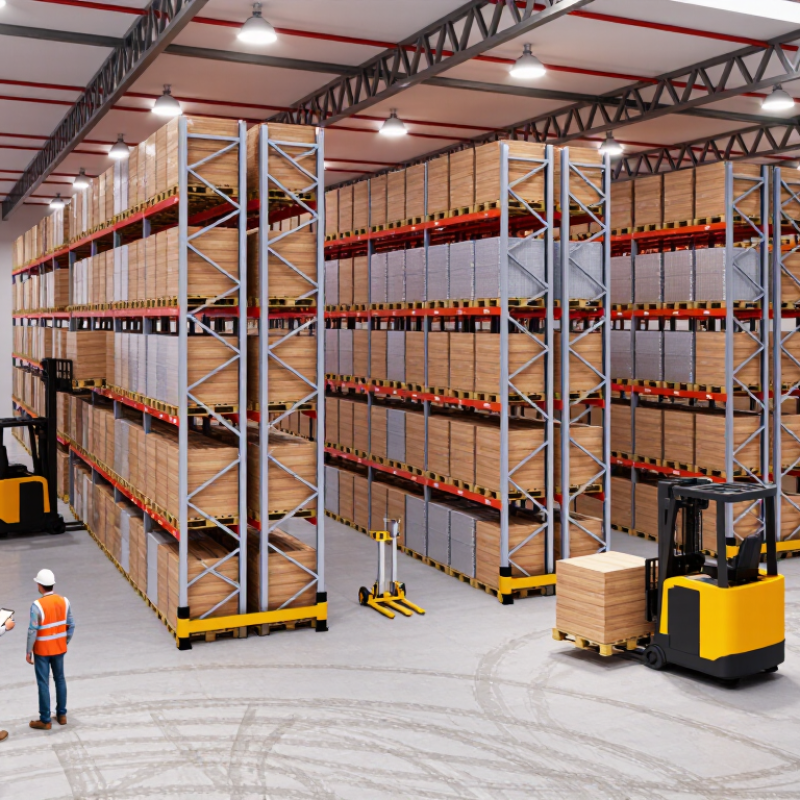
7 Tips for Buying Impact Racks Online?

Define Impact-Rack Requirements Using ANSI MH16.1 Design Criteria

7 Tips for Buying Impact Racks Online?

Before comparing online listings, define the rack’s job using ANSI MH16.1 design criteria. Record the bay width, frame height, beam levels, and maximum load per beam pair. Include pallet dimensions and the heaviest expected load. Small measurement errors can change the design.

Tip: Ask for the design basis, not just a load rating. Request drawings showing frame and beam sizes, bracing, connection details, and anchorage assumptions. Confirm that the proposed configuration accounts for applicable seismic and other site loads. ANSI MH16.1 provides criteria for industrial steel storage rack design; the exact requirements depend on the design and location.

Compare suppliers using the same load and layout information. Check whether the quoted capacity applies to each beam pair or the complete bay. Ask what assumptions support that rating, and whether changes to beam spacing affect it. It is easy to miss this detail when shopping online. Have a qualified rack-design professional review the documents against site conditions and applicable local requirements before ordering. If a listing offers a number without supporting details, pause and ask for clarification.

Verify Beam Ratings Against the ANSI MH16.1 L/180 Deflection Benchmark

When buying impact racks online, treat the beam rating as an engineering value, not a marketing headline. The Rack Manufacturers Institute’s ANSI MH16.1 specification uses an L/180 deflection benchmark for rack beams under the specified design load. For a 96-inch beam span, that equals about 0.53 inches of vertical deflection. Small numbers matter. Confirm the stated span and loading conditions; a rating for one beam length may not apply to another.

Ask for the beam’s rated capacity and the supporting calculation or load table. Check that the rating matches the exact beam length, connector style, and uniformly distributed load shown in the product details. A pallet’s concentrated contact points can create different demands than an evenly spread test load. Look closely at the assumed load. It is easy to miss. Compare the seller’s documentation with the applicable edition of ANSI MH16.1, and ask a qualified rack designer to review unclear specifications before purchase.

During installation, inspect for bent flanges, loose connections, and beams that do not sit level. A tape measure and a clear, unloaded view can reveal problems that product photos cannot. The L/180 benchmark is a useful screening figure, not proof that a complete rack system is suitable for every site. I would pause if a listing gives only a capacity number, without beam span, loading basis, or engineering documentation.

Match Rack Capacity to Pallet Loads, Forklift Types, and Aisle Dimensions

Before ordering impact racks online, calculate the heaviest pallet load, including the pallet itself. Check the rack’s rated capacity for each beam level and the full bay. These ratings depend on beam length and setup, so a capacity number alone can mislead. Keep loads evenly distributed, and note any pallet overhang. Small details matter.

Measure the actual pallets, not just the product listing. Record their length, width, and height when loaded. Then compare those measurements with the rack openings and available vertical clearance. Include the forklift’s load dimensions when checking aisle space. A counterbalance truck and a reach truck may need different operating widths. Check the equipment specifications, then confirm the required aisle width with the supplier or a qualified installer. Measure twice.

Leave room for safe movement and routine handling. Check columns, doorways, sprinkler lines, and other obstructions before choosing rack dimensions. Online floor plans can look generous; a site measurement may reveal a tight turn near a column. That happens. If loads vary, use the heaviest expected load for capacity planning and ask how the proposed configuration is rated. Request written confirmation of the capacity, beam arrangement, and clearance assumptions before purchasing.

Check Impact Guards Against OSHA 1910.178 Forklift-Load Stability Rules

7 Tips for Buying Impact Racks Online?

When comparing impact guards online, use OSHA 1910.178 as an operating-safety reference. The standard requires forklift loads to be stable and within the truck’s rated capacity. It does not specify one universal rack-guard design or certify a rack system. That distinction matters. A guard cannot make an unstable load safe.

Measure the rack upright, base plate, and available aisle space before ordering. Check the guard’s dimensions, anchoring method, and installation instructions against your rack manufacturer’s specifications. Leave room for forks and pallets to move without striking the protection itself. Ask whether the guard suits your truck type and expected traffic. A small mismatch can create a new snag point. It is easy to focus on steel thickness and miss the floor anchors.

Consider where impacts happen: a tight turn near a dock, perhaps, or a busy aisle end. Compare those risks with the guard’s stated purpose; don’t assume it will prevent every collision or conceal rack damage. After installation, inspect guards, uprights, and anchors regularly. If a rack member is bent or an anchor is loose, a guard is not proof that the rack remains safe. Have damage assessed before relying on that storage position again.

7 Tips for Buying Impact Racks Online? — Check Impact Guards Against OSHA 1910.178 Forklift-Load Stability Rules

Tip What to Check Before Ordering Why It Matters for Safe Forklift Handling Evidence to Request or Review
1. Confirm the guard fits the rack upright Match the guard’s height, width, depth, mounting method, and clearance to the upright profile and the aisle layout. Check whether it protects the exposed face, corner, or end of the rack. A guard that does not fit or is installed in the wrong location may fail to protect the rack where forklift contact is most likely. Dimensioned drawings, upright measurements, installation instructions, and confirmation of required aisle clearance.
2. Check rack and load capacity information Identify the rack configuration, beam levels, pallet dimensions, and maximum intended load. Confirm that the rack’s rated capacity is known and that the guard does not obscure its load signage. OSHA 29 CFR 1910.178 requires forklift operators to handle only stable or safely arranged loads and to operate within the truck’s rated capacity. Rack capacity and forklift capacity are separate limits. Rack capacity documentation, visible rack-load notices, and the forklift capacity plate for the intended truck and attachment configuration.
3. Assess the impact risk at the site Review forklift routes, turning points, aisle widths, pedestrian crossings, loading areas, and the history of rack contact. Select protection suited to the likely direction and severity of impacts. Forklift load stability depends on safe operation and load handling. A guard can help protect rack components, but it does not make an unstable load safe or increase a forklift’s rated capacity. A site layout, traffic review, hazard assessment, and a record of damaged uprights or near misses.
4. Verify the guard’s attachment and installation details Check the specified anchors or other fixing method, floor requirements, fastener details, installation clearances, and any restrictions for cracked or uneven concrete. Installation affects how the guard performs during contact. Improvised fastening or installation that conflicts with rack instructions can create additional hazards. Manufacturer installation instructions, anchor specifications, and guidance for the actual floor condition.
5. Confirm compatibility with the storage system Check that the guard does not interfere with pallet placement, load overhang, rack bracing, sprinkler coverage, egress routes, or forklift maneuvering. Loads must be handled and placed safely. An obstruction that changes how pallets are stored or approached can affect load stability and safe truck operation. A layout or installation drawing showing the guard, rack, pallets, forklift path, and nearby safety equipment.
6. Review the product documentation and limitations Look for materials, dimensions, tested or stated performance information, intended use, exclusions, inspection guidance, and replacement criteria. Do not treat an impact rating as a guarantee for every collision. OSHA 1910.178 does not prescribe a particular rack-guard design or impact rating. Site-specific suitability must be assessed rather than inferred from a product claim. Product specifications, test-method details where applicable, warranty terms, and written limitations on use.
7. Plan inspections and response to damage Set a process to inspect guards, anchors, uprights, beams, and stored loads after an impact and during routine workplace checks. Define when damaged equipment must be taken out of service or assessed by a qualified person. A guard may show damage or transfer force to the rack or floor. Continuing to use damaged storage equipment without assessment can leave hazards unaddressed. Inspection checklist, damage-reporting procedure, maintenance records, and criteria for repair or replacement.

Regulatory note: OSHA 29 CFR 1910.178 includes requirements for safe forklift operation, including handling stable or safely arranged loads and staying within the truck’s rated capacity. It does not specifically require a particular rack impact guard. Review the current standard and applicable local requirements, and assess the rack, forklift, loads, and workplace together. Read 29 CFR 1910.178.

Compare Online Quotes, Delivery Terms, Warranties, and Installation Support

An online quote is useful only when its details match your site. Ask for an itemized price covering rack dimensions, load ratings, beams, frames, guards, and required accessories. Compare equivalent configurations, not just the total at the bottom. A cheaper quote may omit parts needed for a complete installation. That matters.

Check delivery terms before placing an order. Confirm the estimated ship date, whether delivery is curbside, and who unloads the truck. A pallet left outside a warehouse can create extra handling costs and delays. Ask how damaged or missing parts should be documented, and keep photos when the shipment arrives. I still find this easy to overlook.

Read the warranty for coverage periods, exclusions, and the steps for making a claim. Then ask what installation support includes: layout drawings, anchor guidance, on-site labor, or remote help. If your floor condition or aisle layout is unusual, share those details before accepting a design. Get it in writing. One imperfect part of online buying is that drawings can look clear while real spaces have columns, uneven floors, or tight turning areas. Check measurements on site, and ask a qualified installer to review the plan when needed.

7 Tips for Buying Impact Racks Online

Suggested buyer-priority weights for comparing online quotes. These are planning recommendations, not market statistics.

Compare itemized quotes, confirm delivery dates and freight terms, review warranty coverage, and verify whether installation support is included. Adjust the suggested weights to match your project requirements, then compare suppliers using the same criteria.

FAQS

What does the L/180 beam deflection benchmark mean?

It limits beam deflection under a specified design load. For a 96-inch span, the benchmark is about 0.53 inches. Small numbers matter.

What details should a beam capacity rating include?

Check the exact beam length, connector style, load basis, and supporting calculation or load table. A rating without these details is hard to verify.

Does a beam rating apply to every pallet load?

Not necessarily. The rating may assume evenly distributed weight, while a pallet can press down at a few concentrated points. Check the stated loading conditions.

What should I inspect during rack installation?

Look for bent flanges, loose connections, and beams that sit unevenly. Use a tape measure and inspect the unloaded rack. Photos may miss these details.

Can an impact guard make an unstable forklift load safe?

No. Loads must remain stable and within the forklift’s rated capacity. A guard does not correct an unstable load.

How can I check whether an impact guard fits my site?

Measure the upright, base plate, and aisle space. Confirm the guard’s dimensions, anchoring method, and installation instructions. Check clearance for forks and pallets.

What should I compare when reviewing online rack quotes?

Compare itemized prices for equivalent configurations, including beams, frames, guards, accessories, and load ratings. A lower total may leave out necessary parts.

Which delivery and installation details should I confirm?

Ask about the ship date, curbside delivery, unloading, and damaged-part procedures. Check warranty exclusions and what installation support covers. Get key details in writing.

What should I do if a guard or rack part is damaged?

Inspect the guard, upright, and anchors regularly. If a rack member is bent or an anchor is loose, have the damage assessed before using that storage position. I would not guess.

Conclusion

Buying Impact Racks online starts with defining the loads, pallet sizes, storage layout, and operating conditions the system must handle. Use ANSI MH16.1 design criteria as a reference when assessing rack specifications, and compare beam ratings with the L/180 deflection benchmark to help evaluate performance under load. Confirm that the proposed capacity suits the actual pallet weights and that the rack dimensions work with your forklifts and aisle space.

Before choosing a supplier, review whether the quoted impact guards are appropriate for your equipment and warehouse traffic, and consider forklift-load stability guidance in OSHA 1910.178. Compare complete quotes rather than price alone: check delivery schedules and terms, warranty coverage, installation support, and what is included in the package. A careful review of these details can help you select a rack system that fits your operation and supports safer, more efficient storage.

Oliver

Oliver

Oliver is a seasoned marketing professional with a wealth of expertise in driving brand awareness and engagement. With a deep understanding of our company's product offerings, he consistently delivers high-quality content that enriches our professional blog. His insights not only shed light on......