In today's fast-paced business environment, efficiency and space optimization are crucial. Mezzanine Systems have emerged as a smart solution for many companies. John Smith, a renowned expert in warehouse management, emphasizes, "Mezzanine Systems transform underused space into valuable operational areas." This highlights the immense potential of these structures.
Mezzanine Systems not only increase storage capacity but also enhance workflow. They create additional space above the existing floor area. This allows businesses to expand without the need for costly facility relocation. Furthermore, they can be tailored to fit specific needs, maximizing every inch of available space.
However, it's essential to consider the initial investment and design complexities. While Mezzanine Systems may offer numerous benefits, each installation requires thorough planning. It's crucial to balance the potential gains against the initial challenges. Ultimately, the decision to implement these systems should reflect a strategic approach to growth and efficiency.
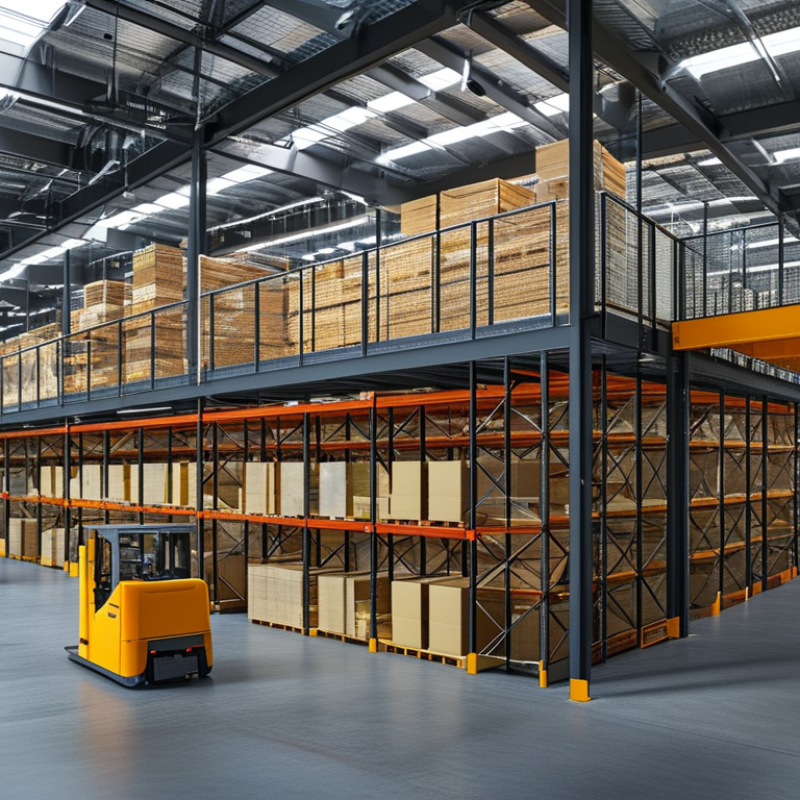
Mezzanine systems are innovative solutions that maximize vertical space in commercial settings. These structures are raised platforms that add additional levels without extensive construction. They can double your usable space, making them an attractive option for warehouses or retail environments. With increasing demands on storage and workspace, understanding mezzanine systems is crucial.
Users often overlook the versatility of these systems. Their functionality extends beyond mere storage. Mezzanines can create designated areas for offices, break rooms, or even retail displays. They can be customized to fit specific needs. However, the installation process requires careful planning. Not all buildings can support additional weight. Therefore, it’s essential to consult experts during the design phase.
While mezzanine systems offer clear benefits, they also present challenges. Space utilization can sometimes lead to clutter if not managed effectively. Organizations must remain vigilant in maintaining an orderly environment. Furthermore, safety is paramount. Regular inspections should ensure structural integrity. Overall, these systems can significantly enhance operational efficiency when implemented thoughtfully.
Mezzanine systems are gaining popularity in modern businesses. They offer significant space optimization, allowing companies to utilize vertical space efficiently. By creating additional levels, businesses can increase storage or workspace without the high cost of moving to a bigger facility.
Implementing a mezzanine system can transform your layout. It allows for better organization and increases available floor space. This additional space can be used for inventory, production, or office needs. A well-designed mezzanine can enhance workflow, making operations smoother.
**Tip**: Assess your current space needs. Consider whether a mezzanine structure could fill a specific gap.
Another key advantage is flexibility. Mezzanines can be customized for diverse applications. They can be designed to suit various industries, from warehousing to retail. This adaptability makes mezzanine systems a valuable investment. However, planning is crucial.
**Tip**: Ensure that your mezzanine aligns with your long-term strategies. Reflect on both short-term gains and future growth.
Incorporating a mezzanine system requires careful thought about safety and compliance. Not all spaces are suitable for such additions. Consider the impact on your overall layout, and whether it truly meets your needs. Balancing space and safety is vital in these decisions.
| Benefit | Description | Impact on Business |
|---|---|---|
| Space Optimization | Maximizes vertical space in warehouses and facilities | Increased storage capacity without needing more floor space |
| Cost Efficiency | Less expensive than constructing a new building or expanding | Saves on both construction and operational costs |
| Flexibility | Easily adjustable or removable structures | Adapts to changing business needs or inventory levels |
| Improved Workflow | Creates dedicated areas for specific tasks | Enhances efficiency and productivity staff |
| Aesthetic Appeal | Modern design improves workplace appearance | Boosts employee morale and attracts clients |
Mezzanine systems offer significant cost efficiency for businesses looking to optimize their operations. By utilizing vertical space, companies can expand their storage and operational areas without the expense of new construction. According to a report by the Industrial Supply Association, businesses can save up to 50% on facility costs by implementing these systems. These structures make it possible to repurpose underutilized areas for additional capacity.
Moreover, mezzanine systems contribute to reduced operational expenses. They often lead to lower energy bills and maintenance costs. A study from the Building Owners and Managers Association found that businesses reported savings of approximately 30% in energy consumption after installing mezzanine floors. This reduction can be attributed to improved layout and more efficient use of existing resources, which lowers overall overhead.
However, it is essential to weigh the initial investment against potential savings. While upfront costs may seem daunting, many firms report quick returns on investment. Reflecting on the financial implications can lead to informed decisions. Understanding the long-term benefits is crucial for any business. When designed correctly, mezzanine systems can offer a powerful return, proving that the investment can be worth it in the long run.
Mezzanine systems offer significant benefits for businesses looking to enhance workflow and productivity. These installations create additional usable space without the need for major renovations. In a recent study by the Material Handling Industry of America, companies utilizing mezzanine solutions reported a 30% increase in operational efficiency. This transformation allows businesses to organize inventory better and streamline processes.
Additionally, mezzanine structures can support heavy loads, adapting to various operational needs. They often incorporate integrated shelving and workplace areas. This versatility fosters a dedicated space for specific tasks, reducing time wastage. Companies have discovered that clear separation of zones supports better focus and efficiency, which is crucial in competitive industries.
However, challenges exist. Proper planning is essential to ensure compliance with safety regulations. Businesses should assess weight limits and ensure structural integrity. In cases where mezzanines are poorly designed or improperly installed, risks can outweigh the benefits. Continuous review and adjustments are needed to maintain productivity levels over time.
Mezzanine systems have gained popularity across various industries due to their versatility. These structures create additional space without the need for extensive renovations. They are perfect for warehouses, retail, and manufacturing facilities. Adding a mezzanine can result in a more organized environment, maximizing vertical space efficiently.
In retail settings, mezzanine systems can enhance customer experience. They allow for additional shelving and display areas. This extra space can accommodate seasonal products or promotions. Meanwhile, in manufacturing, they facilitate better workflow. Workers can access materials more easily, improving productivity. However, businesses must plan for safety and load-bearing capacities.
Some challenges exist with mezzanine installations. Improper design can lead to underutilization or safety risks. Businesses should consult experts to ensure systems meet regulations. Regular maintenance is also essential to guarantee reliability. A well-thought-out mezzanine system can transform operations, but attention to detail is crucial for success.
This bar chart illustrates the various benefits that mezzanine systems can offer to businesses across different industries. Key benefits include increased storage capacity, cost efficiency, improved workflow, enhanced safety measures, and flexible space utilization.
: Mezzanine systems are elevated structures that utilize vertical space for storage or workspace.
They create additional levels, increasing available floor space without moving to a larger facility.
They enhance organization and can increase operational efficiency, reportedly by up to 30%.
Yes, mezzanines can be designed for various applications, making them versatile for different industries.
Assess safety, compliance, layout impacts, and whether a mezzanine meets your specific needs.
They support better focus by creating dedicated spaces, reducing time wasted and enhancing productivity.
Poor design or installation can lead to safety hazards that outweigh the benefits.
Careful planning, assessing weight limits, and regular reviews are essential for safety compliance.
Businesses in competitive industries that require efficient storage and workspace benefit significantly.
Yes, if aligned with long-term goals, but it requires reflection on future growth and immediate needs.
Mezzanine Systems are innovative structural solutions that effectively enhance space utilization within various business environments. By creating additional levels within existing facilities, these systems optimize vertical space, allowing organizations to maximize their operational area without the need for extensive renovations or expansions. The key advantages of Mezzanine Systems include their cost efficiency, as they significantly reduce the expenses associated with renting or acquiring more real estate, thus saving businesses valuable resources.
Furthermore, the installation of Mezzanine Systems can lead to improved workflow and productivity. With better organization of goods and equipment, teams can operate more efficiently, minimizing downtime and increasing overall output. These versatile systems find applications across a range of industries, making them an excellent investment for businesses looking to enhance their operational capabilities and respond to growing demands effectively.

Guichang Metal Racks