Choosing the right system for international operations is rarely a simple price comparison. This guide, “7 Best Longspan Storage Systems for Global Buyers,” examines practical options for warehouses, workshops, archives, and spare-parts rooms. Longspan Storage supports hand-loaded cartons, tools, components, and irregular products without requiring forklifts. A typical bay may use adjustable steel beams, chipboard decks, or wire panels. Those small details influence loading speed, safety, and future expansion.
Market evidence shows why this category deserves closer attention. Grand View Research estimates that the global warehouse racking market will continue expanding strongly through 2030, driven by e-commerce, manufacturing growth, and higher inventory complexity. The MHI Annual Industry Report also highlights continuing investment in warehouse technologies and operational resilience. These reports do not measure every Longspan Storage installation directly, but they reveal broader demand for adaptable storage infrastructure. The connection is clear, though not perfect.
Martin Christopher, a leading supply-chain scholar, wrote, “Supply chains compete, not companies.” His point applies inside the warehouse. A poorly planned shelf can slow picking, create unsafe handling, or waste valuable floor space. The best systems balance load capacity, bay dimensions, corrosion resistance, installation time, and local compliance requirements. Global buyers should also review seismic conditions, fire protection, spare-part availability, and supplier documentation. No ranking can replace a site survey. Still, the seven systems reviewed here provide a useful starting point for comparing durability, flexibility, cost, and long-term operational value.
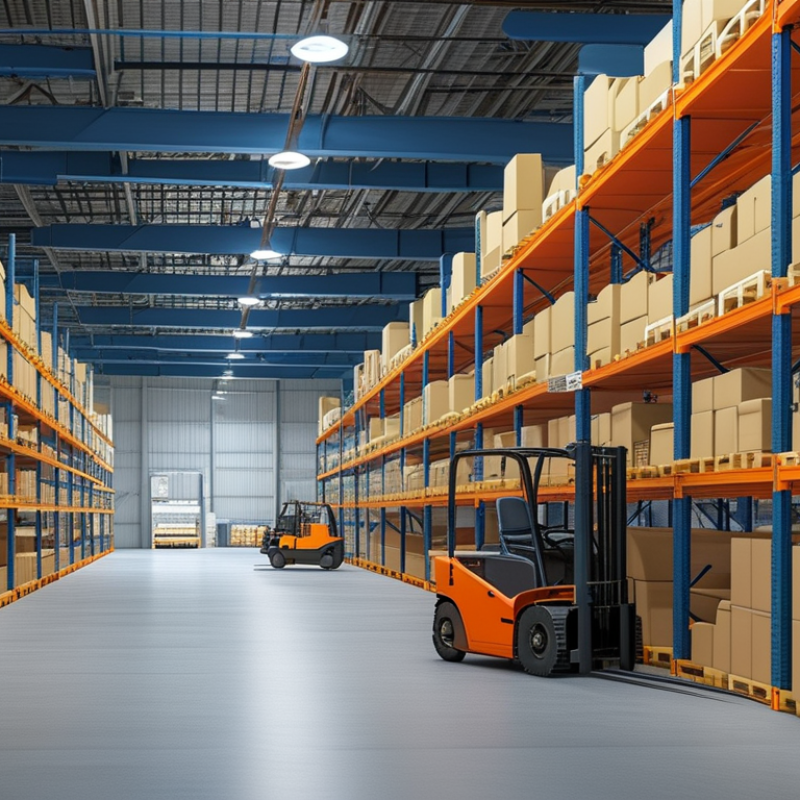
Longspan storage systems are adjustable shelving units built for bulky, hand-loaded goods. They usually combine steel uprights, horizontal beams, and chipboard or steel decking. Unlike pallet racking, they suit cartons, tools, spare parts, and irregular packages.
The system works through modular bays. Workers adjust beam heights to match product dimensions, reducing wasted vertical space. A typical bay may hold several shelf levels, with loads distributed across beams and decking.
MHI’s 2024 Annual Industry Report found that 55% of supply-chain leaders expect higher technology and innovation investment within two years.
This trend also supports better warehouse planning, although storage capacity alone does not solve picking delays. In practice, the first layout is rarely perfect. Product movement changes.
Load capacity must be checked at every level, not guessed from appearance. Floor strength, aisle width, bracing, and anchoring also affect safe performance. Regional standards differ, so buyers should request tested load tables and installation records.
A practical inspection should look for bent uprights, loose connectors, damaged decking, and uneven loading. Small defects matter.
Tips:
It seems simple, but rushed measurements often create expensive rework.
7 Best Longspan Storage Systems for Global Buyers
Key Criteria for Comparing Longspan Storage Solutions
Choosing a longspan storage system requires more than comparing shelf prices. Start with the actual load profile. Measure carton weight, shelf width, beam span, and daily handling frequency. A system that supports light boxes may fail under dense components. Load labels must remain visible after installation.
Adjustability matters when inventory changes often. Check whether shelf levels can move without special tools. Inspect the connection points, upright thickness, and surface coating. These details affect stability in humid warehouses and busy picking areas. Leave enough aisle clearance for safe movement and practical access.
Safety evidence should be specific. Ask for tested load ratings, installation instructions, and inspection guidance. Confirm that the design suits local building conditions and workforce practices. Delivery is another comparison point. Flat-packed units may reduce freight volume, but assembly can take longer than expected. Plan for it.
Do not judge systems by appearance alone. A clean finish can hide weak joints. I have seen layouts look efficient on paper, yet waste space around doors and columns. A scaled floor plan helps expose those problems. Supplier support also matters. Reliable technical answers, replacement parts, and clear warranty terms often reveal more than a polished catalogue. Cost deserves attention, but lifecycle value is harder to measure and easier to underestimate.
The chart uses an indicative 1–5 planning score based on common industry characteristics: load capacity, adjustability, space efficiency, installation simplicity, and suitability for manual picking. Actual performance depends on beam length, shelf material, anchoring, floor conditions, and local safety standards.
Longspan storage suits cartons, tools, spare parts, and archive boxes. Its wide shelves reduce aisle waste without requiring pallet equipment. Global buyers commonly compare seven system types: adjustable shelving, multi-tier shelving, mobile shelving, carton-flow shelving, archive shelving, boltless rivet shelving, and mezzanine-supported shelving. Each type serves a different operating pattern.
Adjustable shelving fits changing inventories because shelf levels can move quickly.
Multi-tier systems add vertical capacity for hand-picked products.
Mobile shelving runs on rails and saves floor space, but access becomes slower.
Carton-flow shelving uses inclined rollers for first-in, first-out picking.
Archive shelving protects labeled records through orderly, low-touch storage.
Boltless rivet shelving supports fast assembly and practical relocation.
Mezzanine-supported shelving creates a second working level, though it needs careful structural review.
Real projects often reveal uncomfortable details. A shelf rated for 500 kilograms may fail if the load is concentrated unevenly. Clear aisle measurements also change after bins, ladders, and safety barriers arrive.
Buyers should request
load tables, steel thickness, surface treatment, installation drawings, and replacement-part availability.
Humid regions may need stronger corrosion protection. Areas with seismic activity require local engineering checks. A cheaper system can become expensive when shipping damage, unclear instructions, or difficult assembly delays the project.
I have seen layouts look efficient on paper, then lose capacity because workers need wider turning space. That mistake deserves attention before ordering.
7 Best Longspan Storage Systems for Global Buyers
How to Match Storage Designs With Warehouse Requirements
Choosing longspan storage is not simply a matter of selecting the largest frame. The right design should match product weight, carton size, picking frequency, and available floor space. Seven practical options include adjustable shelving, boltless shelving, mobile units, multi-tier platforms, carton-flow racks, drawer-based storage, and hybrid workstations. Each system serves a different operating pattern.
Measure the actual load, not the estimated load. A warehouse storing small electrical parts may need narrow shelves and labeled bins. Bulky cartons require deeper beams and clear aisle access. Fast-moving goods often benefit from carton-flow lanes, while slow-moving stock can use fixed shelving. Check beam deflection, upright spacing, floor strength, and local safety requirements before ordering. Small measurement errors can become expensive.
Tips: Map the walking route before approving the layout. Keep frequently picked items between waist and shoulder height. Leave room for future stock growth, but avoid oversized aisles. Ask suppliers for load tables, installation guidance, and inspection procedures. Photographs of the warehouse can help, but a site survey is more reliable.
Global buyers should also consider delivery conditions, assembly skills, replacement parts, and corrosion risks. Humid facilities may need suitable surface protection. Export packaging must protect frames from moisture and impact. A modular system may cost more initially, yet it can reduce relocation work later. Still, modularity is not always the best answer. Some warehouses need maximum density, while others need faster access and safer handling.
| Rank & Storage System | Typical Bay Width | Typical Depth | Typical Levels | Indicative Load per Level | Best Warehouse Application | Key Design Advantages | Main Requirement or Limitation | Recommended Selection Criteria |
|---|---|---|---|---|---|---|---|---|
| 1. Adjustable Longspan Shelving | 1,200–2,400 mm | 450–900 mm | 3–6 levels | 150–500 kg | General parts, maintenance supplies, tools, cartons and medium-sized inventory. | Flexible beam heights, easy reconfiguration and good access from both sides when arranged in rows. | Requires a stable, reasonably level floor and clear working aisles for manual picking. | Choose it when SKU sizes change frequently and direct access to every item is important. |
| 2. Boltless Longspan Shelving | 900–2,000 mm | 400–800 mm | 3–5 levels | 100–400 kg | Light industrial goods, archived materials, packaged products and small warehouses. | Fast assembly, relatively low installation complexity and convenient shelf adjustment. | Connection quality and load performance depend heavily on frame stiffness and correct assembly. | Prioritize certified load tables, anti-tip features and spare-part availability for international projects. |
| 3. Rivet-Frame Longspan Shelving | 1,200–2,400 mm | 450–900 mm | 3–6 levels | 200–600 kg | Dense storage of bulky cartons, irregular components and medium-weight industrial items. | Rigid frame construction, broad shelf surfaces and efficient use of vertical space. | Heavier components may increase shipping weight and require more careful handling during installation. | Select it for heavier hand-loaded goods where frame stability is more important than rapid relocation. |
| 4. Steel Shelving with Chipboard or Steel Decking | 900–2,100 mm | 450–900 mm | 3–7 levels | 150–500 kg | Mixed-load storage where cartons, loose parts and non-uniform packages share the same bay. | Continuous shelf surfaces prevent small products from falling through and support varied package shapes. | Wood-based decking may be unsuitable for wet, high-humidity or strict hygiene environments. | Use galvanized or fully steel decking where moisture, cleaning chemicals or fire-safety rules are concerns. |
| 5. Longspan Shelving with Carton-Flow Modules | 900–1,800 mm | 600–1,200 mm | 3–6 levels | 100–300 kg | Fast-moving small-item order picking, e-commerce fulfillment and first-in, first-out stock rotation. | Gravity rollers or wheels move cartons forward, reducing picker travel and improving stock rotation. | Costs more than flat shelving and needs compatible carton sizes, replenishment access and controlled loading. | Choose it when order frequency is high and reducing picking time is more valuable than minimizing equipment cost. |
| 6. Mobile Longspan Shelving | 900–2,000 mm per bay | 450–900 mm | 3–6 levels | 150–400 kg | High-value parts, archives, spare components and facilities with limited floor area. | Reduces fixed aisle space by opening only the aisle required for picking or replenishment. | Higher initial investment, slower access to multiple aisles at once and greater floor-loading demands. | Select it after checking floor load capacity, emergency egress, power requirements and required retrieval speed. |
| 7. Multi-Tier Longspan Shelving Platform | 1,200–2,400 mm per bay | 450–900 mm | 2–4 elevated tiers | 150–400 kg per shelf | High-SKU operations, document storage, light assembly and manual picking in tall warehouses. | Uses building height efficiently and can create separate picking levels without adding another building. | Requires structural review, guardrails, stairways, access gates, lighting and compliance with local building codes. | Choose it when floor space is constrained, ceiling height is available and manual picking dominates operations. |
Before choosing among seven longspan storage systems, define the actual load, product size, and access frequency. Adjustable steel shelving suits mixed cartons, while boltless systems simplify field assembly. Mobile shelving saves floor space, but it needs a level slab and careful safety controls. Carton-flow units improve picking speed. Mezzanine-supported storage adds capacity, yet it requires structural review. Cantilever-style layouts handle long goods. Modular platforms support larger work areas.
International purchasing requires more than comparing prices. Request certified load tables, material grades, dimensional drawings, and installation tolerances. Check whether the supplier calculates loads per shelf or per bay. That difference matters. Ask for corrosion protection details, especially for humid ports or coastal warehouses. Powder coating can look strong but still fail after poor surface preparation.
Measure door widths, lift-truck aisles, ceiling height, and floor strength before ordering. Confirm anchor types match the local concrete specification. Local engineers should review seismic, wind, fire, and occupational safety requirements. Packaging must protect uprights from impact and moisture during ocean transport. Include spare beams, connectors, labels, and a clear replacement process. I have seen projects delayed by one missing fastener set. It sounds minor, but it stops installation. Also verify customs documents, warranty coverage, training, and whether technical support operates in your time zone. A cheaper system can become expensive after one design assumption proves wrong.
: They suit cartons, tools, spare parts, and archive boxes. Wide shelves reduce wasted aisle space. Pallet equipment is usually unnecessary.
Adjustable shelving works well when stock sizes change. Workers can move shelf levels quickly. That flexibility may save relocation effort later.
Multi-tier shelving adds vertical storage for hand-picked products. It suits facilities with limited floor space. Workers still need safe access equipment.
Mobile units move along rails and reduce fixed aisles. Floor density improves. Access becomes slower, though.
Fast-moving cartons often suit carton-flow lanes. Inclined rollers support first-in, first-out picking. The design needs accurate carton sizes.
Archive shelving suits labeled records and low-touch storage. Orderly placement makes retrieval easier. Dust and moisture still require attention.
Check load tables, steel thickness, and installation drawings. Confirm replacement-part availability and inspection procedures. Small measurement errors become expensive.
Measure real loads, carton sizes, and walking routes. Include bins, ladders, barriers, and turning space. Paper layouts can mislead.
No. Boltless shelving supports quick assembly and relocation. High-density warehouses may need another design. Faster access may matter more than maximum capacity.
Humid sites may need stronger corrosion protection. Seismic areas require local engineering checks. Export packaging should resist moisture and impact. A lower price can hide delays.
Longspan Storage systems are versatile, modular solutions designed to organize medium- and heavy-duty goods without relying on traditional pallet racking. They typically combine upright frames, horizontal beams, and adjustable shelves or decking, allowing warehouses to create accessible storage levels for cartons, components, tools, and other inventory. This guide explains how these systems work and compares them using practical criteria such as load capacity, shelf adjustability, footprint, durability, installation complexity, safety, and total ownership cost.
It also introduces seven common Longspan Storage types, including basic shelving, multi-tier structures, mobile configurations, bin-supported designs, wide-span units, heavy-duty versions, and hybrid layouts. The right choice depends on warehouse size, product dimensions, handling equipment, workflow, expansion plans, and environmental conditions. Before purchasing internationally, buyers should verify technical specifications, packaging, delivery terms, assembly instructions, local safety requirements, spare parts availability, and installation support to ensure the selected design performs reliably from delivery through long-term operation.

Guichang Metal Racks